Concerns about gluten in cosmetic and skincare products, including sunscreen, are common among individuals with celiac disease or gluten sensitivity. While the primary concern with gluten is ingestion, potential exposure through topical products warrants careful consideration. This article explores whether sunscreen contains gluten, the associated risks, and what options are available for those seeking gluten-free alternatives.
The Potential for Gluten in Topical Products
Gluten-derived ingredients can be found in a variety of beauty and personal care products, acting as thickeners, emollients, moisturizers, or volumizers. These ingredients are typically derived from wheat, barley, or rye. Common sources might be listed on packaging as Triticum Vulgare (wheat bran), Secale cereale (rye seed extract), and Hordeum vulgare (barley). If you are concerned about gluten in any form, it is advisable to look for specific mentions of gluten, wheat, barley, rye, or their derivatives on product labels.
Topical products that might contain gluten include:
- Sunscreen and after-sun care products
- Bug spray
- Muscle and joint pain relief balms or ointments
- Moisturizers
- Hair care products
- Makeup
- Lip balm

Understanding the Risks of Gluten in Topical Products
For individuals with celiac disease, gluten reactions typically occur when gluten is ingested and comes into contact with the digestive tract. The scientific consensus is that gluten, being a large protein molecule, cannot be absorbed through intact skin. Therefore, applying gluten-containing products externally should not pose a problem for most individuals with celiac disease, including those with dermatitis herpetiformis (the skin manifestation of celiac disease), unless there are open skin lesions that could allow for systemic absorption.
However, there are specific scenarios where accidental ingestion of topical products containing gluten could occur:
- Cross-contact with food: Touching foods after using a gluten-containing product.
- Transfer to mouth: Putting fingers in the mouth after applying a product, especially a concern for children.
- Products near the mouth: Lipsticks, lip balms, and sunscreens applied to the face can potentially be ingested.
- Sweating: Sunscreen on the face can run down into the mouth area when sweating.
- Spray products: Spray sunscreens or after-care products can create airborne particles that may be inhaled or accidentally ingested.
A study by Tricia Thompson, MS, RDN, tested several lipsticks and lip balms containing gluten-derived ingredients and found them to have below quantifiable levels of gluten. It was concluded that even lipsticks with higher levels of gluten would be unlikely to contribute significant amounts to the diet.
Skin reactions, such as rashes, after applying gluten-containing skincare products have been reported by a small number of individuals with celiac disease. A small Italian study suggested that some individuals with celiac disease may have a cutaneous hypersensitivity to gluten, with rashes resolving upon discontinuation of gluten-containing products. More research is needed in this area. If you experience such reactions, it is recommended to discontinue the product and opt for gluten-free skincare.

Sunscreen and Gluten: What You Need to Know
While the direct absorption of gluten through the skin is not a significant concern for most, the potential for accidental ingestion, particularly with sunscreens, is a valid consideration for some individuals. Sunscreen is applied to exposed skin, and sweating can cause it to migrate towards the mouth. Furthermore, spray sunscreens can release airborne particles that may be inadvertently ingested.
It is important to note that skincare and cosmetics are not covered under the FDA's gluten-free labeling rule and are not subject to the Food Allergen Labeling and Consumer Protection Act (FALCPA). This means that manufacturers are not required to list the nine major allergens, including wheat, on their cosmetic products. Therefore, checking ingredient labels is crucial.
Some brands explicitly state their gluten-free status, while others may offer disclaimers about potential cross-contact during manufacturing. For instance:
- Bioelements states that the vast majority of their formulas are gluten-free and lists ingredients on their website and product packaging.
- Cetaphil notes that while their ingredients are not recognized gluten sources, they do not test for trace amounts of gluten that may be present from ingredients or the manufacturing process.
- Dermalogica is certified cruelty-free, gluten-free, and vegan.
- Green Beaver products are 100% natural, gluten-free, non-nano, biodegradable, and reef-friendly.
- Rocky Mountain Sunscreen claims all of its formulas are 100% gluten-free, including their lip balm.
- Supergoop! states all formulas are gluten-free, though they do not manufacture in gluten-free facilities. They have conducted testing to ensure the absence of gluten.
- Vichy offers a fragrance-free sun-care range.
Other brands, like Neutrogena, do not make gluten-free claims. Some products may contain hydrolyzed wheat protein, which is identified on labels. While these products could contain gluten in very low concentrations, the brands may not analyze the finished product for gluten presence.
Mineral sunscreens, which use zinc oxide or titanium dioxide, are generally considered gluten-free. However, it's still important to check the full ingredient list, as other ingredients may be added.
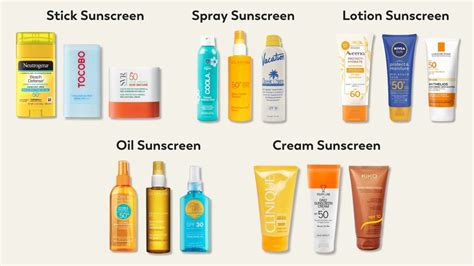
Navigating Gluten-Free Sunscreen Options
For individuals who choose to use gluten-free sunscreen, several options are available. Some brands are specifically formulated and certified gluten-free, while others make claims based on their ingredient sourcing and manufacturing processes. It's always recommended to:
- Read ingredient labels carefully: Look for specific mentions of wheat, barley, rye, or their derivatives.
- Check for certifications: Seals such as "GFCO" from the Gluten Intolerance Group indicate a product has met stringent gluten-free standards.
- Consult brand websites: Many brands provide detailed information about their gluten-free status and ingredient policies.
- Consider mineral sunscreens: Zinc oxide and titanium dioxide are naturally gluten-free, but check the overall formulation.
- Opt for labeled gluten-free products: This provides the most assurance.
When choosing sunscreen for children, especially for use at daycare or summer school, it is advisable to send a preferred brand of gluten-free sunscreen with clear instructions on application to minimize the risk of ingestion. Providing copies of these instructions to all responsible parties, such as teachers and school nurses, can further ensure proper handling.
Reading Labels for Gluten
Beyond Sunscreen: Other Topical Products
The considerations for gluten in topical products extend beyond sunscreen. Moisturizers, lip balms, and muscle creams may also contain gluten-derived ingredients. For lip balm, the amount of gluten is typically minimal due to the small product size. For moisturizers applied to the face, similar precautions regarding accidental ingestion apply. Muscle and joint creams, while not typically applied to the face, still require hand washing after use to prevent accidental transfer to the mouth.
Hair care products, such as shampoos and conditioners, can also run down the face and potentially reach the mouth. Choosing gluten-free shampoos and conditioners can help mitigate this risk. Leave-in conditioners, gels, and mousses are generally easier to control, but spray-on products can pose a risk due to airborne particles.
Conclusion
While the scientific consensus suggests that gluten cannot be absorbed through intact skin, the possibility of accidental ingestion from topical products like sunscreen warrants attention for those with celiac disease or gluten sensitivity. By carefully reading labels, seeking out certified gluten-free products, and understanding the potential risks associated with application methods, individuals can make informed choices to protect their health and well-being.