Your skin's well-being is paramount, and this guide aims to illuminate how Vitamin E can contribute to achieving clear, radiant, and smooth skin. While excessive application of Vitamin E can potentially lead to irritation or allergic reactions, its judicious use offers significant benefits for skin health, acting as a crucial shield against damage.
Vitamin E is a vital nutrient renowned for its potent antioxidant properties. It effectively safeguards skin cells from the detrimental effects of free radicals, which are unstable molecules capable of damaging healthy cells over time. The two primary forms of Vitamin E are tocopherols and tocotrienols. Tocopherols are more commonly found in our diet and cosmetic products, present in sources like nuts, seeds, and vegetable oils. Tocotrienols, though less common, also exhibit strong beneficial effects and can be sourced from palm oil, rice bran oil, and certain grains.
The importance of Vitamin E for maintaining healthy skin cannot be overstated. Our skin is continually subjected to daily damage from UV rays, pollution, and stress. These environmental factors can accelerate the aging process and contribute to the development of dark spots and acne scars. Vitamin E's anti-aging capabilities lie in its ability to combat free radicals before they can inflict damage on the skin's surface.
Key Benefits of Vitamin E for Skin
Skin Regeneration and Renewal
Consistent daily use of Vitamin E promotes skin smoothness and radiance by aiding skin cells in their regeneration process. It accelerates healing and encourages new cell growth, which is essential for preserving a youthful appearance. This regenerative action contributes to clearer, softer skin over time.
Inhibition of Inflammation and Redness
Vitamin E possesses remarkable anti-inflammatory properties, making it particularly beneficial for individuals dealing with hyperpigmentation and acne scars. By soothing inflammation and redness, it allows the skin's natural, even tone to emerge, resulting in a fresher and brighter complexion.
Enhanced Skin Hydration
Maintaining optimal skin hydration is fundamental for achieving a smooth and youthful facial appearance. Vitamin E helps prevent dehydration by forming a protective barrier that locks in moisture. Improved hydration, coupled with enhanced elasticity, works synergistically to bestow a healthy glow upon the skin.
Fading of Acne Marks and Dark Spots
Beyond its hydrating effects, Vitamin E actively contributes to the fading of acne marks and dark spots. It supports the healing process by nourishing skin cells as they regenerate. While results may not be immediate, regular and consistent application is key to achieving success in skincare routines.
Furthermore, Vitamin E significantly contributes to skin radiance and texture improvement. Its antioxidant power is robust enough to help maintain smooth, glowing skin.
Methods of Incorporating Vitamin E into Your Skincare Routine
There are multiple ways to leverage the benefits of Vitamin E for your skin. Topical application through oils, creams, or serums allows for direct absorption and immediate benefits. Alternatively, oral supplements can provide an additional layer of support for overall skin health.
Topical Application
- Massage oils, creams, and serums: These are popular choices for integrating Vitamin E into a skincare regimen. Their moisture-locking properties also ensure effective hydration.
- Serums: Typically lighter in texture than creams, serums penetrate the skin rapidly, delivering potent results without a heavy feel.
Oral Supplements
Taking Vitamin E supplements orally offers another avenue for supporting skin health, particularly for addressing concerns like acne scarring and hyperpigmentation. When selecting supplements, opt for premium quality Vitamin E tablets or softgels and always check the product label.
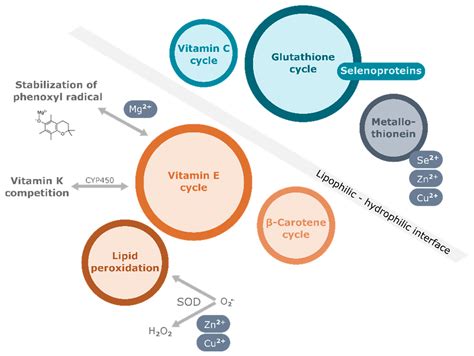
It is important to note that Vitamin E often works harmoniously with other skincare ingredients, potentially enhancing their efficacy. For instance, layering Vitamin E under hyaluronic acid can help seal in moisture. The combination of Vitamin E and Vitamin C is also highly beneficial, as Vitamin C is known for its brightening properties and its ability to fade dark spots and acne scars.
Dietary Sources of Vitamin E
Incorporating Vitamin E-rich foods into your diet is another effective way to boost your intake and support skin health. Excellent food sources include:
- Nuts: Almonds are a particularly rich source.
- Seeds: Sunflower seeds are packed with nutrients.
- Leafy greens: These vegetables contribute to overall Vitamin E intake.
Regular consumption of these foods can help maintain fresh, radiant skin and may contribute to reducing the appearance of acne scars and hyperpigmentation.
Potential Downsides and Precautions
While Vitamin E offers numerous advantages, it is essential to be aware of potential downsides. Excessive use can lead to skin irritation or other adverse effects. Some individuals may experience allergies or adverse reactions to Vitamin E. Therefore, caution is advised, especially for those with oily, acne-prone, or sensitive skin.
Comedogenicity: Vitamin E can be comedogenic, meaning it may contribute to breakouts in some individuals. It is recommended to perform a patch test before applying it widely to the face to gauge your skin's reaction.
Allergic Reactions: As with any skincare ingredient, there is a possibility of allergic reactions. Symptoms can include redness, itching, or a rash.
Dosage: The daily recommended adult dose of Vitamin E is 15 mg. Adhering to recommended dosages supports overall well-being and skin health. Exceeding this amount may lead to side effects.
Consultation: Before initiating a new skincare regimen or incorporating Vitamin E supplements, it is strongly advised to consult with a healthcare professional or dermatologist. This is particularly important if you have pre-existing skin conditions, are considering using Vitamin E for specific concerns like acne scars or hyperpigmentation, or are taking other medications, as interactions may occur.
3 Tips how to Apply Vitamin E Capsule for Face Effectively - Dr. Rasya Dixit| Doctors' Circle
Vitamin E vs. Vitamin C for Skin
Both Vitamin E and Vitamin C are powerful antioxidants widely recognized in skincare. While they target different aspects of skin health, they are often used together for enhanced benefits.
- Vitamin C: Primarily known for its brightening properties, Vitamin C effectively targets pigmentation, dark spots, and acne scars.
- Vitamin E: Acts as a potent hydrator and emollient, helping to lock in moisture and combat dryness.
When combined, particularly with ferulic acid, Vitamins C and E form a synergistic blend that offers comprehensive antioxidant protection, brightens the complexion, and aids in scar reduction. Studies suggest that their combined efficacy surpasses their individual performance.
Understanding Dark Spots
Dark spots on the skin arise from an overproduction or accumulation of melanin, the pigment responsible for skin color. While Vitamin E can aid in the healing process and improve skin texture, it may not be a universal solution for all types of dark spots. Consulting a skin specialist is recommended to accurately diagnose the cause of dark spots and determine the most effective treatment plan. Other treatment options for dark spots may include:
- Chemical peels: Application of solutions containing acids like salicylic, glycolic, lactic, or trichloroacetic acid (TCA).
- Microdermabrasion: A procedure that can be chemical or physical, involving the spraying of crystals over the skin.
- Cryosurgery: Freezing dark spots with liquid nitrogen solution.
In conclusion, Vitamin E offers a wealth of benefits for skin health, including enhanced hydration, anti-inflammatory action, and support for skin regeneration. When used wisely and in conjunction with other beneficial ingredients or treatments, it can contribute significantly to achieving smoother, more radiant skin and addressing concerns like dark spots and acne scars. Remember to always prioritize professional advice when integrating new products or supplements into your skincare routine.