In a recent interview, parenting expert Emily Oster discussed skincare precautions for pregnant individuals, addressing common myths and offering data-driven insights on topics such as retinol usage and Botox.
Understanding Botox
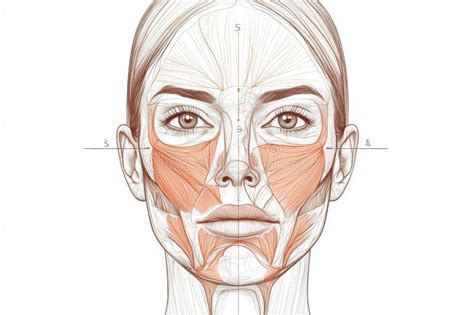
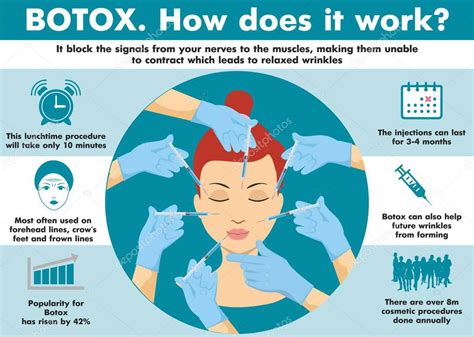
Botox, a brand name for botulinum toxin, is a nerve toxin that causes muscle paralysis. While lethal in high doses, it is commonly used in small, controlled amounts for both medical and cosmetic purposes. Medically, it treats conditions like spastic muscle disorders, excessive sweating, and migraines. Cosmetically, it is primarily used to smooth facial wrinkles by temporarily paralyzing specific facial muscles, particularly in the upper half of the face. The effects of Botox injections typically last for three to four months, requiring regular engagement for sustained results.
Botox and Pregnancy: Navigating the Official Line and Personal Choice
The official recommendation regarding Botox during pregnancy is to exercise extra caution and consult with a doctor. This cautious approach, Oster notes, is similar to the stance taken on many optional pregnancy-related matters, which served as inspiration for her book, "Expecting Better." While prioritizing the health and development of the baby is paramount, Oster acknowledges that individuals may use Botox for various reasons, including medical necessity, personal preference, or simply valuing its cosmetic effects.
A primary concern with using Botox while trying to conceive is its potential to remain in the body and affect the fetus if pregnancy occurs. Although evidence of harm during pregnancy is limited, Oster suggests that if avoiding any Botox exposure during pregnancy is desired, it would be advisable to stop treatments several months prior to conception. The half-life of Botox is approximately two months.
Evidence and Reassuring Data on Botox in Pregnancy
Evaluating the risk of Botox in pregnancy is challenging due to the difficulty in measuring its transmission to the fetus. However, available data, though limited, is largely reassuring. Studies include:
- A study of 45 patients with chronic headaches treated with onabotulinumtoxinA who subsequently became pregnant. Some participants continued treatment during pregnancy, while others stopped, and no negative outcomes were reported.
- A retrospective review of 232 exposures over 24 years found no significant differences in pregnancy and infant outcomes compared to those without exposure.
- Case reports of pregnant mothers experiencing botulism poisoning from tainted food have also not indicated negative impacts on the fetus. It is important to note that the doses involved in poisoning are significantly higher and more systemic than those used in cosmetic or medical applications.
This reassuring data is further supported by general biological principles: Botox injections involve a low concentration of a toxin that is localized, minimizing systemic spread. While large-scale randomized trials, similar to those available for medications like Tylenol, are lacking, the existing evidence provides a degree of comfort for those concerned about potential risks.
Botox and Breastfeeding
Botox use during breastfeeding is considered safe. The study of its effects during breastfeeding is somewhat more straightforward than during pregnancy because the toxin's presence can be directly measured in breast milk. Drawing from cases of botulism poisoning, evidence suggests that given the much lower and localized dose used in cosmetic applications, the safety profile is even clearer. Even in instances of systemic poisoning, breastfeeding is generally deemed safe.
Making an Informed Decision
As with many aspects of pregnancy, certainty regarding the absence of all risks associated with Botox is not absolute. Small risks are inherent in everyday activities, such as driving. Ultimately, the decision to use Botox while trying to conceive or during pregnancy involves weighing the available evidence, potential risks, and personal benefits. Oster likens this decision-making process to choices regarding coffee, alcohol, or Tylenol. She also offers a practical observation: facial swelling commonly occurs towards the end of pregnancy, naturally diminishing the appearance of wrinkles, effectively acting as "nature's Botox."
Oster emphasizes that cosmetic Botox is not a necessity, and individuals look great regardless of its use. The key takeaway is that while definitive, large-scale studies are limited, existing data and biological understanding suggest a low risk for Botox use during breastfeeding, and a reassuring trend for pregnancy, though caution and consultation with a healthcare provider remain advised.