If you’ve ever observed a horse curling its upper lip and stretching its neck in a peculiar manner, as if encountering an unusual scent, you’re not alone. This distinctive behavior, known as the Flehmen response, is not a sign of judgment but rather a crucial method for horses to gather information about their environment.
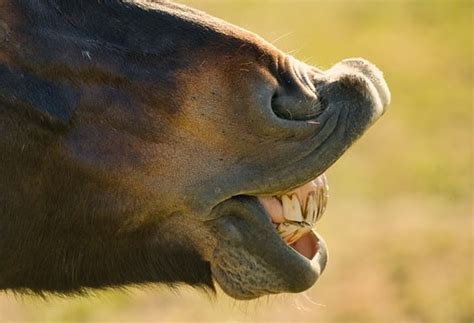
What is the Flehmen Response?
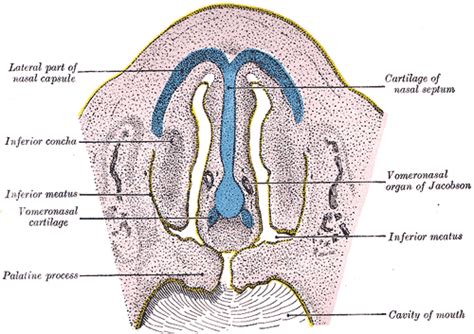
The Flehmen response involves a horse lifting and curling its upper lip, which allows it to engage a specialized sensory organ located in the roof of its mouth: the vomeronasal organ (VNO), also referred to as Jacobson’s organ. This organ is instrumental in detecting scent particles, particularly pheromones.
Essentially, it’s the horse's version of a "deep sniff." By curling their lip, horses trap scent molecules and direct them towards the VNO, intensifying their perception of what they are smelling.
The Mechanism Behind the Lip Curl
The act of curling the upper lip increases the flow of air through the nostrils. This action widens the scent openings situated behind the teeth on the upper palate, facilitating the movement of airborne chemical cues toward the vomeronasal organ. The VNO then transmits this information directly to specific areas of the brain involved in instinctive and reproductive behaviors, bypassing conscious olfactory perception.
The vomeronasal organ is named for its proximity to the vomer and nasal bones and is particularly well-developed in species such as cats and horses. It is typically housed within a bony or cartilaginous capsule that opens into the base of the nasal cavity. Animals that exhibit the Flehmen response possess a papilla located behind their incisors, with ducts connecting the oral cavity to the VNO. Horses are noted to have this specialized sensory structure.
The chemical signals detected by the VNO are typically non-volatile organic compounds (non-VOCs). Unlike volatile compounds that readily evaporate, non-VOCs require direct contact with the odor source and are not involved in atmospheric photochemical reactions. The VNO is adept at detecting these less volatile substances.
When Do Horses Exhibit the Flehmen Response?
A horse might display the Flehmen response in various situations:
- When encountering a novel or unusual smell.
- When smelling another horse's scent, particularly from mares in estrus or foals.
- When investigating something strange or potent, such as new bedding, fly spray, or manure.
- When feeling curious or expressive.
- Sometimes, even common items like water buckets, sweaty tack, or a person's food can trigger the response.
The term "Flehmen" itself originates from the German verb 'flehmen', meaning 'to bare the upper teeth'. This response is characterized by the animal curling back its top lip, exposing the front teeth and gums, followed by an inhalation and holding of this posture for several seconds. The behavior can be directed towards specific locations, sometimes accompanied by licking the area of interest, or performed with the neck stretched and head held high for a more general gustatory investigation.
The Role of the Flehmen Response in Equine Communication and Behavior
The primary function of the Flehmen response is intra-species communication. It plays a vital role in:
- Identifying Reproductive Status: Male horses (stallions) commonly use the Flehmen response as an olfactory mechanism to assess the reproductive state of mares based on pheromones present in their urine or genital secretions. This helps them determine if a mare is receptive to mating.
- Reproductive Synchrony: In some species, Flehmen behavior contributes to reproductive synchrony among females. While more pronounced in other animals like sable antelopes, this underlying principle of chemical communication related to reproduction is fundamental.
- Post-Parturition Recognition: In horses, mares frequently exhibit a peak in Flehmen response during the initial hours after giving birth. This may aid in imprinting on the foal's unique scent profile and strengthening the mare-foal bond.
- Olfactory Learning and Development: Young horses, both colts and fillies, exhibit Flehmen behavior. This early engagement with the VNO is believed to support olfactory learning, allowing foals to memorize their dam's scent and develop crucial sensory pathways that will guide them in social and reproductive contexts later in life. Studies suggest that young colts may flehmen more frequently than fillies, and fillies more frequently than mature mares.
The Flehmen response is not exclusive to horses. Other domestic species like cats, goats, and cattle also display similar lip-curling behaviors, often in reproductive or social contexts. Bulls and rams frequently use this response when investigating the urine of females to ascertain their reproductive status. In wild animals, the behavior is even more pronounced, with big cats like lions and tigers using the iconic grimace for courtship and territory assessment.
Horse Behavior: Flehmen Response
Interpreting the Flehmen Response: Normal Behavior vs. Potential Health Issues
While the Flehmen response is a normal and informative behavior for horses, it can sometimes be an indicator of discomfort or pain. It is crucial for owners and caretakers to understand the context in which the behavior occurs.
When Flehmen is Likely Normal:
- After encountering strong or unusual scents (e.g., new bedding, fly spray, urine).
- During breeding season, especially for stallions investigating mares.
- After receiving oral medications or supplements.
- When exploring new environments or objects.
- In young foals learning about their surroundings and their dam.
When Flehmen May Indicate a Problem:
If the Flehmen response is excessive, prolonged, or occurs without an obvious external stimulus, it could signal underlying health issues. Horses experiencing abdominal pain (colic) often curl their lips repeatedly. This behavior may be accompanied by other signs of distress such as pawing, rolling, or flank watching.
Oral discomfort, such as sharp enamel points, fractured teeth, or mouth ulcers, can also lead to a horse exhibiting the Flehmen response. In these instances, the behavior might be both an investigative response to the irritation and an attempt to cope with unpleasant sensations.
Distinguishing Painful vs. Sensory Flehmen:
- Normal Flehmen: Typically brief, occurring in response to a clear external stimulus (smell, taste), and not accompanied by other signs of distress.
- Pain-Related Flehmen: Can be prolonged, repeated, occur without a discernible external cause, and may be associated with other symptoms like lethargy, loss of appetite, restlessness, or signs of colic.
If there is any doubt about whether a horse's Flehmen response is normal or indicative of pain, it is essential to consult a veterinarian. Prompt veterinary assessment can help identify the underlying cause and prevent potential complications.
Frequently Asked Questions about the Flehmen Response
Why do horses curl their lips after smelling urine?
Horses curl their lips after smelling urine to engage the vomeronasal organ and detect pheromones and reproductive hormones. This behavior, the Flehmen response, helps assess whether a mare is in heat.
Is the Flehmen response always a sign of pain in horses?
No, the Flehmen response is not always a sign of pain. Most often, it is a normal behavior associated with reproductive or social investigation. However, if it occurs repeatedly or alongside signs of discomfort, it can indicate pain.
Can geldings use the Flehmen response?
Yes, geldings can use the Flehmen response. They may do so when encountering strong odors, unusual feeds, or after taking oral medications. If it happens frequently or in combination with distress signs, consulting a veterinarian is advised.
What is the connection between the Flehmen response and colic?
The Flehmen response in horses is most often linked to investigating smells or hormones. However, some horses may show a Flehmen response when experiencing abdominal discomfort, including colic.