For those new to skincare, the process of washing your face might seem straightforward, but it often involves multiple steps for thorough cleansing. Simply splashing water on your face and using a cleanser or soap isn't always sufficient. With the vast array of skincare products available, choosing the right one can be challenging. Many individuals opt for bar soaps and facial cleansers to simplify their routine, but there are subtle differences between them.
Experts recommend washing your face twice daily as part of a step-by-step skincare routine, using your hands. Celebrity esthetician Ian Michael Crumm emphasizes that using hands is generally gentler on the skin. Before washing your face, it's crucial to wash your hands with soap, as they can transfer bacteria to your face. Once your hands are clean, wet your face with lukewarm water and apply a non-alcoholic facial cleanser with your fingertips. It's also important to note that different skin types may require specific ingredients for optimal effectiveness.
Facial Cleansers vs. Bar Soaps: Key Differences
Dr. Christopher Chu, a board-certified dermatologist, explains the variations in facial cleansers, noting that they can help address specific skin concerns like acne. Thoroughly cleansing your skin at night is essential to remove dirt, oil, and makeup accumulated throughout the day. While there's some overlap between cleansers and bar soaps, their formulations are where they diverge significantly.
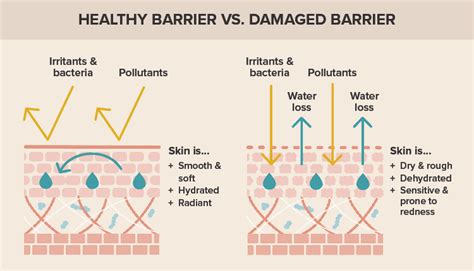
Board-certified dermatologist Andrei Gherghina states, "Bar soap can be harsh and strip the skin of natural oil." In contrast, facial cleansers are formulated to be softer, designed to clean the skin without stripping its natural moisture. These cleansers are often pH-balanced to prevent potential skin barrier damage and can include beneficial ingredients targeting specific concerns such as acne, dryness, or aging.
Your body naturally produces sebum, an oily substance composed of fat molecules and squalene, which moisturizes your skin, locks in moisture, and protects it from harmful UV radiation. Sebum is primarily concentrated on the face and scalp. While beneficial, maintaining a healthy sebum balance is crucial; too much can lead to oily skin or acne, while too little can result in dry, itchy, flaky, or irritated skin.
"Facial cleansers often contain ingredients meant to moisturize, nourish, and gently remove dirt, oil, and makeup without stripping the skin of its natural oils," Crumm explains. "Bar soaps may contain harsh detergents that are effective for cleansing the body but are too harsh for the face."
Beneficial Ingredients in Facial Cleansers
The experts recommend looking for specific ingredients in facial cleansers that can benefit your skin. These include:
- Glycerin: A moisturizing humectant that provides hydration and protection. It penetrates deep into the skin barrier, helping to retain moisture for extended periods. Glycerin may also stabilize collagen, plump the skin, and reduce wrinkles and fine lines, contributing to a more youthful appearance.
- Hyaluronic acid: Another humectant that moisturizes the skin, regardless of type, and helps balance the moisture barrier.
- Niacinamide: A form of vitamin B3 that can minimize enlarged pores, improve uneven skin tone, reduce fine lines and wrinkles, and strengthen the skin barrier.
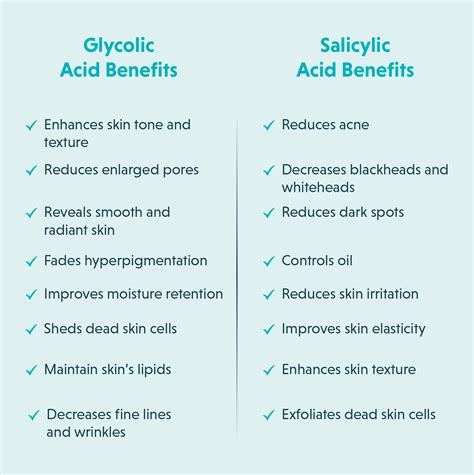
- Glycolic acid: An alpha hydroxy acid that removes dead skin cells, exfoliates, hydrates, and reduces the appearance of fine lines and wrinkles.
- Salicylic acid: A beta-hydroxy acid (BHA) that helps treat acne by reducing swelling and redness and unclogging pores through deep exfoliation.
Ingredients to Avoid Based on Skin Type
While certain ingredients benefit the skin, others can be harmful, depending on your specific skin type.
- Sensitive skin: Dr. Chu notes that sodium lauryl sulfate (SLS) can easily irritate sensitive skin, potentially leading to allergic contact dermatitis in some individuals.
- Acne-prone and oily skin: Luat Duong advises that ingredients like fragrance and menthol can further irritate blemishes.
For those just starting their skincare routine, Dr. Michael I Jacobs suggests looking for facial cleansers with ingredients such as glycerin, hyaluronic acid, niacinamide, glycolic acid, and salicylic acid. "For the best results, opt for a gentle cleanser that is appropriate for your skin type," Dr. Jacobs advises.
Understanding Different Skin Types and Cleanser Choices
The right facial cleanser depends heavily on your individual skin type:
- Normal skin: Characterized by balanced moisture, small pores, and a smooth texture, normal skin still requires a proper routine to maintain its optimal appearance.
- Dry skin: Appears dull, rough, flaky, or scaly, indicating dehydration, itchiness, or irritation. Cream cleansers, which are gentle and contain moisturizing ingredients, are a good choice for dry skin.
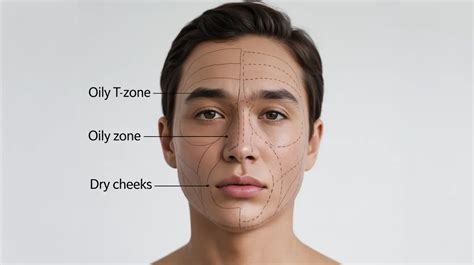
- Oily skin: The face may look shiny and greasy, especially in the T-zone (forehead, nose, and chin). This skin type is prone to enlarged pores, acne, blackheads, and whiteheads. Dr. Chu suggests that for oily skin, a foaming cleanser is better at removing excess oil. Gel cleansers are also effective for deep cleaning pores and removing oil.
- Sensitive skin: May experience mild irritation, redness, and itchiness when exposed to environmental factors or topical treatments. Some bar soaps can be gentler on sensitive skin, provided they are specifically formulated for facial use and are unscented and hypoallergenic.
- Combination skin: Features oiliness in the T-zone and dryness on the cheeks. Those with this skin type need a cleanser that effectively cleanses while also hydrating. Gel cleansers and oil cleansers can be beneficial, as can specific formulations designed to balance both concerns.
The Role of Cleansing in Daily Skincare Routines
Dermatologists recommend starting your skincare routine with a cleanser, serum, moisturizer, and sunscreen every morning. Sunscreens with an SPF of at least 30 protect the skin from UVA and UVB rays, which can cause skin cancer, wrinkles, dark spots, and sunburns.
In the evening, it's important to remove the dirt and product buildup accumulated during the day. Moisturizing your skin overnight helps maintain hydration. Your nighttime routine can mirror your morning routine, with the potential addition of a toner, face oil, or acne treatment, depending on your specific goals.
Facial Cleanser Bars: A Closer Look
While many traditional bar soaps are formulated for the body and can be harsh on facial skin, there are specific facial cleanser bars designed for delicate facial skin. These bars aim to provide effective cleansing without stripping the skin of its natural oils. When choosing a facial cleanser bar, look for:
- Unscented and hypoallergenic properties
- High levels of moisturizing ingredients such as ceramides, glycerin, hyaluronic acid, and niacinamide.
It is advisable to avoid bar soaps with:
- Dyes
- Parabens
- Fragrance
- Lanolin
- Formaldehyde
Traditional bar soaps often have a high pH value, making them effective for body cleansing but too harsh for the face. They can also be drying, abrasive, and may not effectively reach all areas of the face due to their shape.
Facial cleansing steps
Alternative Facial Cleanser Types
If bar soaps are not the preferred choice, several other types of facial cleansers are available, tailored to different skin types and preferences:
- Cream cleansers: Thick, gentle, and moisturizing, ideal for dry or sensitive skin.
- Foam cleansers: Create a lather that effectively removes excess oils, suitable for oily or combination skin.
- Clay cleansers: Absorb oils and clean pores, beneficial for oily, acne-prone, or combination skin.
- Gel cleansers: Have a gel-like consistency, excellent for deep cleaning pores and removing oils, generally good for acne-prone or oily skin.
- Oil cleansers: Gently clean the face, unclog pores, and remove makeup. They are based in skin-healthy oils and can be suitable for most skin types.
- Micellar cleansers: Popular for removing oil, buildup, and makeup. They are convenient as they often do not require rinsing.
Taking the time to wash your face properly is a vital part of daily hygiene and self-care. Choose the right cleanser for your skin type and ensure you wash your face in the morning, at night, and after heavy sweating.
Proper Facial Cleansing Technique
Follow these steps for clean and healthy skin:
- Use lukewarm water to wet your face with your hands.
- Apply the cleanser to your damp face using your hands.
- Wash your face using gentle circular motions.
- Rinse the cleanser off your face with lukewarm water.
- Gently pat your face dry with a soft towel.
- Apply moisturizer.
Remember to be gentle when cleansing your face. Avoid scrubbing or using abrasive tools, as harsh friction can irritate your skin and exacerbate existing skin problems.