Zinc oxide is a white, powdery mineral compound that plays a significant role in various cosmetic and medical products. It is widely recognized for its antibacterial and anti-inflammatory properties, making it a primary ingredient in sunscreens. Current research indicates that nano-sized zinc oxide particles found in cosmetics and sunscreens do not present adverse outcomes.
When applied topically, zinc oxide offers several crucial benefits for skin health:
Broad-Spectrum Sun Protection
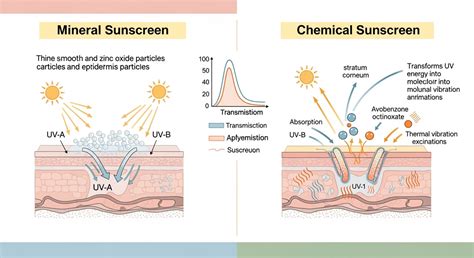
Zinc oxide is a key component in mineral, or physical, sunscreens. Unlike chemical sunscreens that absorb UV radiation, zinc oxide creates a physical barrier on the skin's surface. This barrier effectively reflects and scatters ultraviolet (UV) light, providing protection against both UVA and UVB rays. This dual protection is vital in preventing sunburn in the short term and mitigating long-term damage such as premature aging, collagen loss, elastin breakdown, and an increased risk of skin cancer. Exposure to UV rays is responsible for over 90 percent of visible skin aging, including volume loss, wrinkles, fine lines, sagging, discoloration, and sun spots.
Sunscreens containing zinc oxide are an excellent choice for individuals with sensitive or acne-prone skin, as they are less likely to cause allergic reactions or irritation. Furthermore, they begin providing protection immediately upon application. While some formulations may have a thicker texture that can leave a white film on the skin, advancements in formulation are reducing this effect.
Treatment of Burns and Rashes
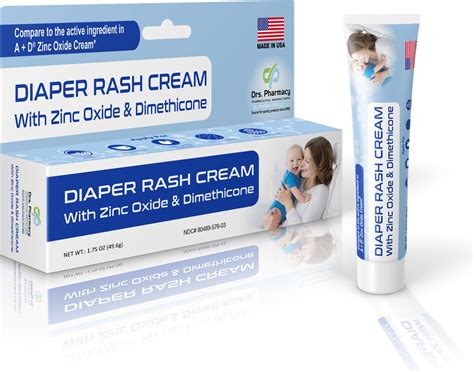
Beyond sun protection, zinc oxide excels at protecting and soothing the skin. Topical creams containing zinc oxide can be used to treat or prevent minor skin irritations, including burns and cuts. It is also a principal ingredient in many over-the-counter diaper rash creams. Formulations with as little as 5 percent zinc oxide can be effective and begin working within 12 hours, providing a physical barrier against irritants and bacteria.
Research suggests that ointments containing zinc oxide offer a physical barrier against water absorption and help reduce bacterial infections associated with mild dermatitis caused by wet diapers. Optimal results are achieved when applied after each diaper change.
Addressing Dark Spots and Skin Discoloration
While zinc oxide is white, it does not permanently lighten the skin. Current research does not support its use as a direct treatment for skin discoloration conditions like melasma. However, daily use of a broad-spectrum sunscreen with zinc oxide and an SPF of 30 or higher can help prevent further skin darkening. It is recommended to apply sunscreen to all sun-exposed areas, even on cloudy or snowy days.
Acne Treatment
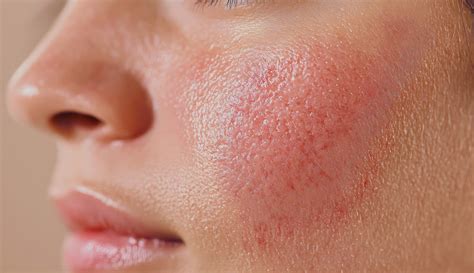
Due to its inherent antibacterial and anti-inflammatory properties, zinc oxide can be an effective treatment for acne. When applied topically, it helps reduce redness, swelling, and the bacteria associated with breakouts. Studies indicate that zinc oxide can also promote skin repair, reduce sebum production, and prevent scarring. Oral zinc sulfate has also shown promise in treating mild to moderate papulopustular acne.
Easing Hemorrhoid Discomfort
Zinc oxide is an active ingredient in numerous over-the-counter hemorrhoid treatments. While these creams may offer temporary relief from discomfort, they have not been extensively studied for long-term safety or efficacy. Zinc oxide can protect the skin from irritation in the affected area, provided that the area is gently cleaned and dried before application.
Historical and Modern Uses
For over 2,000 years, zinc has been utilized for its healing properties. Historically, it was used in a skin salve known as pushpanjan. Zinc oxide, derived from zinc, is a metallic element found in nature and is now used in various electronic, chemical, and household products. While zinc occurs naturally, zinc oxide is not naturally occurring. Recent advancements in particle size have led to a significant increase in the use of zinc oxide creams and sunscreens, with new formulations capable of being applied without leaving a thick, white film.
Zinc oxide first appeared in commercial beauty and skincare products in the 1940s. From the 1940s through the 1980s, zinc oxide products were primarily used to treat skin conditions unrelated to sun exposure, such as poison ivy, dandruff, and various rashes. Its reputation as a natural alternative to chemical skincare formulations has grown significantly, especially considering that up to 75 percent of sunscreens may contain toxic and irritating chemicals. Zinc oxide, being a mineral, sits on the skin's surface, reflecting the sun's rays, whereas chemical sunscreens absorb them. Most commercial chemical products often block only UVA or UVB rays, necessitating the combination of multiple formulas, which increases the potential for negative reactions.
How zinc oxide works in your skincare | The Science of your Skincare
Benefits for Skin Health
- Regenerates Cells: Zinc oxide aids in new tissue growth and skin regeneration, contributing to a more youthful appearance.
- Antiseptic and Astringent Properties: It possesses natural antiseptic and astringent qualities, helping to keep harmful bacteria from causing infections and acting as a natural skin-drying agent.
- Balances Oil Production: Zinc oxide can help control excess oil formation, which is beneficial for those with oily skin types and can reduce the likelihood of acne breakouts.
- Reduces Pore Appearance: By balancing oil production and promoting healthy cell turnover, it can contribute to a less noticeable appearance of large pores.
- Enhances Collagen Synthesis: It plays a role in the synthesis of new skin tissue and collagen, essential for maintaining skin elasticity and firmness.
- Evens Skin Tone and Pigmentation: Its restorative properties can help to balance skin tone and reduce the appearance of uneven pigmentation.
When applied topically, zinc oxide forms a protective barrier on the skin. The zinc particles are too large to penetrate the skin cell wall, even in micronized forms. This barrier shields the skin from environmental factors and locks in moisture. It can also slow the signs of aging by promoting healthy cell regeneration.
Forms and Usage
Zinc oxide is available in several forms, and the choice depends on the intended use:
- Zinc Oxide Sunscreens: Look for "zinc oxide" in the ingredients for broad-spectrum protection.
- Zinc Oxide Powder: Follow label instructions carefully, as percentages and strengths vary.
- Zinc Oxide Creams or Ointments: Best for treating minor, non-infected scrapes and burns. A bandage can be used on top, or the cream can be left exposed to air to dry. Always wash hands and the application area before use. Zinc oxide cream is for external use only; avoid contact with eyes, ears, or mouth.
- Zinc Oxide Diaper Rash Creams: Clean and dry the diaper area thoroughly before applying. Apply before a new diaper, before bedtime, or when signs of a rash appear.
DIY options for lotions, sunscreens, and diaper rash ointments can be created using zinc oxide powder. For example, DIY foundation makeup with sunscreen offers skin-smoothing benefits without the potentially damaging ingredients found in many commercial products. Similarly, DIY zinc diaper rash cream avoids chemical emulsifiers, parabens, and animal-based lanolin found in some store-bought options.
Considerations and Potential Side Effects
While generally safe and non-allergenic, there can be concerns regarding newly developed nanonized zinc oxide particles (ZnO-NP) in sunscreens. Although less likely to cause allergic reactions than chemical products, some instances of irritation have been reported. Individuals with very sensitive skin should choose products carefully and consider patch-testing homemade creams in small doses.
Potential side effects can include:
- White Cast: Zinc oxide can leave a white residue, particularly at higher concentrations.
- Dryness and Tightness: In some cases, especially when used in large amounts or on already dry skin, it may cause dryness and tightness.
It is important to consult a healthcare provider if you have any unusual or allergic reactions to zinc oxide, other medications, foods, dyes, or preservatives. Pregnant or breastfeeding individuals should also discuss its use with their care team.
How to Use:
- For sunscreen, apply 30 minutes before sun exposure, using a sufficient amount and spreading it gently over exposed areas.
- For acne treatment, dab a small amount of zinc oxide cream on acne spots after cleansing and moisturizing.
- For wound healing, clean the wound first, apply ointment, and cover with a bandage.
Zinc oxide is primarily for external use. Do not ingest it or get it into the eyes. While allergic reactions are rare, discontinue use and consult a doctor if irritation occurs or if you have pre-existing allergies or skin conditions that might be aggravated.