As we age, wrinkles become a natural occurrence that affect different parts of the body. These are more common on areas that are often exposed to the sun like the face, neck, chest, hands, and forearms. Rhytides, the medical term for wrinkles, encompass any skin creases caused by aging, sun exposure, or repetitive muscle movements. Around age 25, your body begins producing less collagen each year-about 1% less annually.
Fine lines are subtle, shallow creases that typically show up in your 20s or 30s. They’re often the first signs of aging and are most noticeable when you make expressions. Wrinkles are deeper creases that become more prominent as we get older. Unlike fine lines, wrinkles are visible even when your face is relaxed and can be accompanied by sagging skin. The depth of the crease is what signifies the difference between fine lines and wrinkles. A wrinkle can form anywhere a fine line does, and vice versa.
It's important to distinguish between fine lines and wrinkles, as they form differently and often respond to different treatments. While fine lines are often the first visible sign of skin aging, developing as collagen production slows and skin becomes less elastic, deep wrinkles form gradually as the structural support in the skin continues to break down. These lines are typically visible even when the face is relaxed.
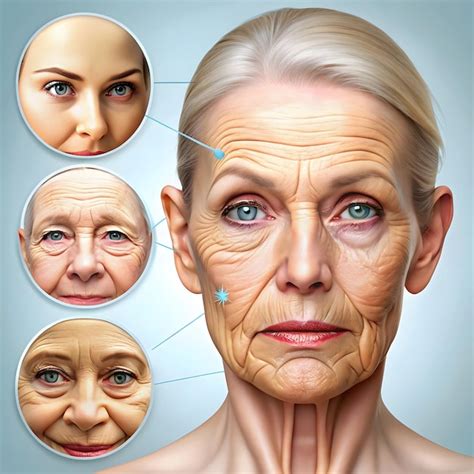
The Multifaceted Causes of Wrinkles
Wrinkles are defined as creases, folds, or ridges in the skin that develop due to a combination of factors, including aging, genetics, and environmental factors. The breakdown of collagen, elastin, and fat loss in the face happens naturally as we age, but is accelerated by sun damage, smoking, lack of nutrients, and genetics. As a result, the skin becomes more lax, and static wrinkles form.
Intrinsic Aging Factors
Aging: Wrinkles are a by-product of the aging process. As people age, skin cells divide more slowly, and the middle layer of your skin - the dermis - begins to thin. The dermis has a network of elastin and collagen fibers, which offer support and elasticity. As this network loosens and unravels with time, depressions form on your skin’s surface. Aging skin is also less able to retain moisture, less efficient in secreting oil, and slower to heal. With aging, the skin naturally becomes less elastic and drier, with less fat and collagen in the deeper layers. This process results in the lines and creases typical of wrinkling.
Genetics: Genetics play a significant role in how and when wrinkles appear. Some individuals are predisposed to developing wrinkles earlier or more prominently due to their genetic makeup.
Extrinsic Aging Factors
Sun Exposure (Photoaging)
Sun damage: Excessive exposure to ultraviolet (UV) radiation from the sun can result in premature aging of your skin, also known as photoaging. Exposure to UV light breaks down collagen fibers and leads to the production of abnormal elastin. When ultraviolet light damages skin tissue, your body produces an enzyme called metalloproteinase. This enzyme creates and reforms collagen. During the process, however, some healthy collagen fibers receive damage, resulting in solar elastosis - the disorganized formation of fibers. Wrinkles develop when the rebuilding process occurs over and over, less efficiently each time. Protect your skin from UV radiation. Avoid indoor tanning and limit the time you spend in the sun, especially midday. When you're in the sun, wear sun-protective clothing, such as wide-brimmed hats, long-sleeved shirts, and sunglasses. Also, use sunscreen every day year-round. Choose a broad-spectrum sunscreen with an SPF of at least 30, even on cloudy days. Apply sunscreen generously.
Smoking
Smoking: Healthy skin constantly regenerates. Old collagen breaks down and removes itself from your body, which makes room for new collagen. Researchers found that smoking causes a reduction in the production of new collagen. Decreased collagen results in the development of wrinkles. Not smoking is a key factor in preventing premature aging.
Environmental Factors
Pollution: Pollutants in the air from cars and busy cities can cause your body’s collagen to break down as they enter your pores. Particulate matter (dirt, dust, smoke) and soot from burning materials can degrade structural proteins and create free radicals. Nitrogen dioxide, a gas common near vehicles and industrial facilities, also contributes.
Repetitive Facial Movements
Dynamic Wrinkles: Dynamic wrinkles form due to repeated facial movements and are visible during facial expressions, such as smiling, frowning, or squinting. These are deep lines formed over time by muscle contractions. Since skin loses elasticity as we age, these lines eventually stop smoothing out when our faces relax. Smiling, frowning, squinting, and other habitual facial expressions cause wrinkles to become more prominent. Over time, these expressions coupled with gravity contribute to the formation of wrinkles.
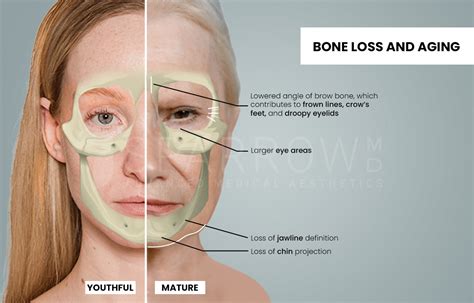
Volume Loss
Volume loss, on the other hand, happens deeper beneath the skin. As we age, we naturally lose collagen, fat, and bone structure-especially in our cheeks, under-eyes, and jawline. This can make our face appear hollow, saggy, or tired, even if we’re well-rested. Think of your face like a balloon. When it’s full, it looks smooth and lifted. As it deflates (thanks to volume loss), the surface starts to wrinkle and droop. As we age, volume loss doesn’t just affect one spot-it subtly shifts the shape and balance of the entire face.
Types of Wrinkles and Their Locations
Wrinkles are a natural part of aging, but they don’t all appear for the same reason or respond to the same treatments. Static wrinkles result from a loss of elasticity and the effects of gravity on the skin. Static wrinkles are present even when the face is at rest and can become more pronounced with age. Permanent elastic creases directly result from factors such as sun exposure, pollution, and smoking.
Common Wrinkle Locations
Chest Wrinkles
Chest wrinkles, also known as cleavage rhytides, sleep creases, décolletage wrinkles, or brinkles, are skin creases that appear on the upper chest between the neck and upper abdomen. These wrinkles can develop due to the natural aging process, loss of collagen and elastin, sun exposure, and repeated folding of the skin, such as when sleeping on your side.
Hand Wrinkles
Hand wrinkles can appear due to various factors such as the natural aging process, loss of collagen and elastin, sun exposure, and repeated folding of the skin. As you age, your hands lose fat and elasticity, causing the skin to become more translucent and prone to wrinkling.
Specific Types of Dynamic Wrinkles
Forehead Lines
Forehead lines, also known as glabella lines, are the wrinkles that form horizontally across your forehead. These are treated with spaced-apart injections for an even, symmetrical result, injecting toward the temples to avoid an overly-arched brow.
Frown Lines (The 11s)
Frown lines, also known as glabellar lines or the "11s," are the two vertical lines that form between the eyebrows. Contrary to the name, these aren't just caused by frowning; laughing and smiling activate those muscles too. They can be treated with direct injections into the glabellar muscles to minimize complications.
Crow's Feet
Crow’s feet, also known as laugh or smile lines, are the lines around the outer corner of the eye. These are primarily caused by squinting and blinking. The lines that deepen to the sides of the eyes and cheek when squinting are referred to as crow’s feet and cheek wrinkles.
Bunny Lines
Bunny lines are horizontal wrinkles that form on your nose in the area between the eyes when you squint, laugh, or scrunch your nose. They can be reduced with direct injections.
Lip Lines (Perioral Rhytids)
Lip lines, the wrinkles that form when pursing the lip, can be directly injected with a minimal amount of botulinum. This helps to reduce the appearance of these lines while avoiding paralyzing the muscles that are vital for eating and talking.
Chin Lines (Mental Creases)
Chin lines may be softened with injections directly into the strong chin muscle. This may also help reduce the appearance of a prominent chin.
Specific Types of Static Wrinkles
Nasolabial Folds (Smile Lines)
Nasolabial folds are deep lines located between the corners of the mouth and the nose. Your smile line creases get deeper as volume diminishes around the cheeks and mouth. For many, they are among the first signs of facial aging and worsen as we lose volume and gain laxity with aging. Dermal filler is injected under the laugh line crease to soften it.
Marionette Lines
Marionette lines extend from the corner of the mouth down between the chin and jowl (prejowl area). Dermal filler may be placed into the marionette line and prejowl area to make the jawline appear smoother from chin to the ear. Any downturn at the corners of the mouth may also be filled and raised into a more upturned position.
Treating Wrinkles: From Prevention to Intervention
A wide range of treatment options are available to treat wrinkles, including non-invasive and invasive procedures. Knowing the various types of wrinkles and their causes can assist in making informed decisions regarding prevention and treatment options.
At-Home Prevention and Skincare
There are several ways to prevent wrinkles and maintain a youthful appearance. Managing high-stress levels, which can contribute to premature skin aging, is important. In addition to these lifestyle changes, you should use high-quality skincare products containing retinoids, antioxidants, or peptides, which can help improve skin texture and reduce the appearance of wrinkles.
Topical Skincare:
- Sunscreen: Use broad-spectrum sun protection daily.
- Moisturizer: Moisturizers can help minimize the appearance of fine lines and wrinkles. Look for ingredients such as retinol, niacinamide, and vitamin C.
- Anti-Aging Routines: Over-the-counter anti-aging serums and creams can help tighten skin and prevent fine lines from getting worse.
Lifestyle Factors:
- Hydration: Fine lines and wrinkles are more visible on skin that’s dehydrated. Upping your water intake is crucial.
- Healthy Diet: There is some evidence that certain vitamins in your diet help protect the skin.
- Avoid Smoking: Smoking accelerates the aging process.
- Stress Management: High-stress levels can contribute to premature skin aging.
- Reduce Squinting: Wearing glasses when you need them and sunglasses while outdoors is important for reducing the amount of squinting you do.

Professional Treatments
Neuromodulators (Botox, Dysport, etc.)
Botulinum injections (like BOTOX®, Dysport®, Xeomin®, Jeuveau, Daxify) can help correct and possibly prevent dynamic wrinkles by temporarily paralyzing muscles that would typically contract into creases. Botox works best as a preventative, as it slows the formation of wrinkles by temporarily paralyzing muscles that would typically contract into creases.
Dermal Fillers
Injectable fillers, such as those containing hyaluronic acid (e.g., Juvederm, Restylane) or calcium hydroxylapatite (e.g., Radiesse®), can help plump up the skin and smooth out wrinkles. Dermal fillers add volume, making them a great nonsurgical option for filling in static wrinkles. They provide lift and contour instantly, restoring a more defined look while stimulating long-term collagen support.
Biostimulators
Biostimulators like Sculptra® encourage your body’s own collagen production for gradual, natural improvement in skin fullness and firmness.
Chemical Peels
Chemical exfoliation removes the skin’s outermost layers. Light peels can improve skin texture and reduce fine lines.
Laser Treatments
Laser resurfacing works by causing micro-damage to the skin’s surface, stimulating collagen production and skin regeneration. Treatments include Ultrapulse CO2, Active and Deep FX, and Fraxel Re:pair Lasers. Combination laser treatments can also be effective.
Microneedling
Treatments like Potenza RF microneedling stimulate collagen production, elastic fibers, and hyaluronic acid to smooth out fine lines.
Facials
For a deeper cleanse and hydration, treatments like the HydraFacial are excellent options.
Ultrasound Therapy and RF Skin Tightening
These treatments use energy to stimulate collagen production and tighten the skin.
Plastic Surgery
Cosmetic surgery may be the best treatment option for severe, deeply set wrinkles. A surgical procedure can tighten skin and transfer fat for a dramatically more youthful look.
Aging Process of Skin: Dermal Injections to stimulate production of Collagen to rejuvenate skin
Choosing the Right Treatment
It is essential to consult with a board-certified dermatologist to determine the most suitable treatment option for your specific needs and skin type. Choosing the right treatment for your wrinkles depends on several factors, including the type of wrinkles you have, your skin type, your budget, and your desired results.
Considerations for Treatment Selection:
- Budget: Some treatments, such as over-the-counter creams, are more affordable than others, like Botox or dermal fillers.
- Invasiveness: Assess the invasiveness of the treatment; some treatments are more invasive than others, although they are all non-surgical.
- Expected Results: Different treatments offer varying results in terms of effectiveness and duration.
- Skin Type and Concerns: A personalized plan should consider your unique skin characteristics and aesthetic goals.
No two faces age the same way. The most effective wrinkle treatments are often part of a customized plan that considers skin type, lifestyle, and long-term goals. Whether you’re just starting to explore aesthetic treatments or you’re looking to refine and refresh your current routine, seeking professional advice is key.