Flea allergy dermatitis (FAD) is a common skin condition in dogs and cats, triggered by an allergic reaction to the proteins found in flea saliva. When a flea bites, it injects its saliva into the host's skin. For pets with FAD, this saliva causes the immune system to overreact, leading to intense itching, scratching, biting, and chewing at the skin. This hypersensitivity reaction can worsen over time, even with minimal flea exposure, as even a single bite can cause significant discomfort.
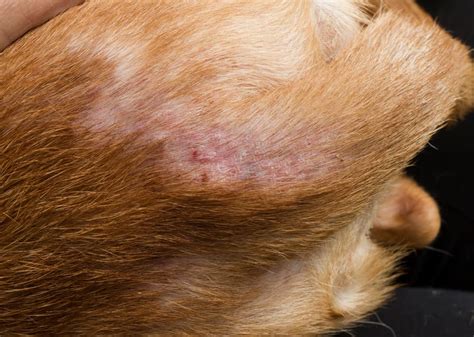
Symptoms of flea allergy dermatitis can range from mild itching to severe skin inflammation. Dogs might exhibit excessive scratching, biting at their skin, or develop red, irritated patches. In more severe cases, the skin can thicken, and sores may appear, potentially leading to hair loss and secondary bacterial or yeast infections. This persistent discomfort can significantly impact a dog's quality of life.
Understanding Fleas and Their Life Cycle
Fleas are small, wingless insects that feed on the blood of warm-blooded animals. They have flat bodies, dark brown or black coloration, and powerful hind legs that allow them to jump considerable distances. While fleas prefer animals with fur, they can also bite humans. There are thousands of flea species globally, with several commonly affecting dogs and cats.
The flea life cycle includes egg, larval, pupal, and adult stages. While the entire cycle can take about three weeks, the pupal stage is particularly resilient and can remain dormant in the environment for months, hatching when conditions are favorable. Only about 5% of the flea population lives on your pet; the rest-eggs, larvae, and pupae-reside in the environment, such as carpets, furniture, and cracks in the floor.
Fleas are most active in warm weather and prefer cool, damp, shaded areas outdoors. They can easily transfer to pets from other infested animals or by hitching a ride on clothing, bedding, or toys. Understanding this life cycle is crucial for effective flea control and preventing FAD.
Symptoms and Diagnosis of Flea Allergy Dermatitis
The hallmark symptom of flea allergy dermatitis is intense itching, often accompanied by visible skin irritation. Dogs may compulsively scratch, bite, or chew at their skin, particularly around the base of the tail, hind legs, and abdomen. This constant irritation can lead to:
- Hair loss (alopecia)
- Red, inflamed skin
- Crusts and scabs
- Secondary skin infections (bacterial or yeast)
- Thickened skin in chronic cases
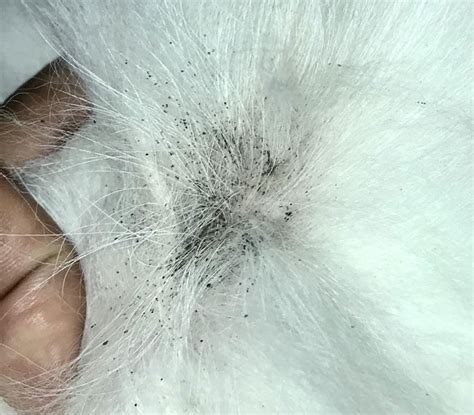
Diagnosing FAD typically involves a physical examination by a veterinarian. They may use a flea comb to look for adult fleas or flea dirt (feces), which appears as small black specks. Even if no fleas are found on the pet, a history of itching and characteristic skin lesions can strongly suggest FAD, as a single bite can trigger a reaction.
Effective Treatment Strategies for Flea Allergy Dermatitis
Treating flea allergy dermatitis involves a two-pronged approach: relieving the symptoms and eliminating the fleas. Both aspects are critical for successful management.
1. Eliminating Fleas: The Foundation of Treatment
The most crucial step is to eliminate fleas from both the pet and the environment. This requires a consistent and thorough approach:
- Veterinary-Prescribed Flea Preventatives: These are essential for killing adult fleas and preventing future infestations. Prescription products are often more effective and safer than over-the-counter options. It is vital to treat all pets in the household, even if only one exhibits symptoms, as fleas can easily spread. Monthly, year-round flea control is highly recommended.
- Environmental Treatment: Since most of the flea life cycle occurs off the pet, treating the home is paramount. This can include:
- Vacuuming carpets, furniture, and pet bedding frequently. Dispose of the vacuum bag immediately afterward.
- Using indoor sprays specifically designed for flea control on carpets and upholstery. Always follow product instructions carefully.
- Diatomaceous earth can also be used in the home, following safety guidelines.
- Treating Outdoor Areas: If pets spend time outdoors, treating yards, kennels, or dog houses may also be necessary.
Flea Lifecycle.mp4
2. Relieving Symptoms and Supporting Skin Health
While eliminating fleas, it's important to alleviate your dog's discomfort:
- Anti-itch Medications: Veterinarians may prescribe oral medications or injections to provide symptomatic relief.
- Antihistamines: While historically used, antihistamines like Benadryl may not be as effective for FAD as other medications, and their response can be unpredictable. Always consult your veterinarian before administering any medication.
- Steroid Creams and Antihistamines (Prescription): These can be prescribed by a veterinarian to help reduce inflammation and itching.
- Soothing Baths: Baths with specially formulated shampoos can help soothe irritated skin. Oatmeal baths, using colloidal oatmeal, are particularly effective in calming itchy and inflamed skin.
- Supporting Healthy Skin: Once the allergic reaction is under control, focus on restoring and maintaining healthy skin.
Certain products, such as Capstar, can start killing fleas within 30 minutes, offering rapid relief from flea burdens.
Home Remedies for Flea Bite Dermatitis Relief
For mild cases or as a complementary approach to veterinary care, several natural remedies can help soothe your dog's itching and irritation. However, it's essential to consult your veterinarian before using any home remedies to ensure they are safe and appropriate for your dog's specific condition.
Natural Ingredients for Soothing Irritated Skin
- Coconut Oil: Rich in lauric acid, virgin coconut oil has moisturizing and anti-inflammatory properties. A thin layer applied to affected areas can soothe irritation and promote healing.
- Apple Cider Vinegar (ACV): Diluted with equal parts water, ACV can be sprayed onto itchy spots. It may help restore the skin's pH balance and act as a mild flea repellent. Avoid applying to open wounds.
- Baking Soda Paste: Mixing one part baking soda with one part water to form a paste can be applied to itchy areas for 15-20 minutes before rinsing.
- Oatmeal Baths: As mentioned, colloidal oatmeal added to bathwater is excellent for soothing and moisturizing the skin.
- Chamomile and Green Tea Soaks: Brewed, cooled chamomile or green tea can be used as a rinse or applied with a cloth to affected areas due to their natural anti-inflammatory properties.
- Calendula: This plant, known for its soothing properties, can be used as a tincture or tea soak to alleviate irritation and promote healing.

Safety Precautions When Using Home Remedies
When applying home remedies, safety is paramount:
- Test Small Areas: Always start with a small amount on a localized area to check for adverse reactions.
- Proper Dilution: Ensure solutions like ACV are adequately diluted.
- Avoid Open Wounds: Do not apply irritating substances to broken skin.
- Prevent Ingestion: Supervise your dog to prevent them from ingesting large quantities of topical remedies.
- Consult Your Vet: Discuss any home remedy with your veterinarian first.
Signs that a home remedy is working include reduced scratching, decreased redness, and a calmer demeanor in your dog. If symptoms persist or worsen, veterinary intervention is necessary.
Special Considerations for Different Dogs
Senior Dogs and Cats: Older pets may have more sensitive skin, weakened immune systems, or other medical conditions that can complicate allergic reactions, making prompt and appropriate care even more critical.
Preventing Transmission: It is crucial to ensure all pets in the home are on a consistent flea control program, as fleas can easily spread between animals.
When to Seek Veterinary Care
While FAD is not typically a medical emergency, it should not be overlooked. If your dog is constantly itching, has visible skin irritation, or seems uncomfortable, seek veterinary advice. Prompt care can reduce discomfort, prevent secondary infections, and stop FAD from escalating. If symptoms persist or worsen despite home care and over-the-counter treatments, a veterinarian can perform a detailed skin exam, conduct diagnostic tests, and develop a personalized treatment plan. This may include prescription flea preventatives, medications for symptom relief, or treatments for secondary infections.
tags: #flea #bite #dermatitis #home #remedy