It’s common knowledge that fruits and vegetables are beneficial to your health. This powerful produce can do amazing things, from offering protection against cancer, diabetes, and heart disease to giving you more than enough vitamins and minerals to keep you energized and healthy. What we don’t hear about as often is how fruits and vegetables are also really good for your skin.
The Science Behind Fruits and Skin Health
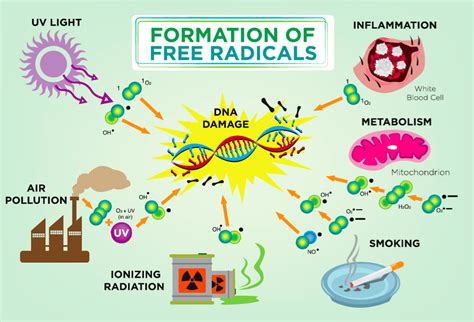
Fruits and vegetables contain a large number of vitamins. Vitamins A, B, C, D, E, and K can all be found in fruits and veggies. Vitamins D, C, E, and K, in particular, are good for the skin. Powerful antioxidants have the most positive effects on the skin. Antioxidants are compounds that prevent oxidation in the body. Oxidation creates free radicals, which are basically atoms that run amok, causing damage to cells. These damaged cells, specifically skin cells, are what leads to wrinkles, sagging skin, and other signs of aging.
Vitamin C is concentrated in high levels within both the first and second layer of our skin. Being that it is an antioxidant, it plays a large role in the body’s use of collagen. Vitamin E is also a powerful vitamin. It too is an antioxidant, but this vitamin focuses more on fighting sun-damaged skin by being able to absorb some of the sun’s harmful UV rays.
Key Fruits and Their Skin-Boosting Benefits
While eating your way to glowing skin sounds like an easy and delicious process, it is essential to mention that several factors combine to help you achieve glowing skin. Yes, fruit can help as it is excellent for your digestive system and can contribute in significant ways to your overall health. Achieving changes to your skin takes time, and lasting improvement is typically the result of long-term healthy skincare and overall health care.
When we pack our diet with vibrant foods loaded with antioxidants, healthy fats, water, and essential nutrients, our body will show its appreciation through its largest organ: our skin. After all, the skin is often the first part of our body to show internal trouble, and there’s only so much that lotions, creams, masks, and serums can do before we need to take a closer look at at what’s fueling us. Researchers have even concluded that eating fruits and veggies is the safest and healthiest way to combat dull complexions and fine lines.
Citrus Fruits: Vitamin C Powerhouses
Oranges
Oranges are chock-full of Vitamin C. Talk about a healthy dose of antioxidants! Oranges are high in Vitamin C, which helps improve collagen production and reduces the level of free radicals in the body, helping to minimize DNA damage. Both of these benefits help to slow and reduce the signs of aging skin.
Lemons
Lemons are also excellent fruits that can help you naturally achieve glowing skin.
Berries: Antioxidant-Rich Jewels
Blueberries
Berries are the favorite fruits of summer. No matter which ones you choose, they are high in antioxidants, especially blueberries. Blueberries are rich in vitamins A and C, as well as an age-defying antioxidant called anthocyanin. This is what gives blueberries their deep, beautiful blue color. To try: Throw this delicious, low-sugar fruit into a morning smoothie or fruit bowl, and let it provide a beautifying punch!
But here’s a tip-if you combine blueberries with dairy, your body won’t absorb the full effects of those antioxidants.
Strawberries
Strawberries contain alpha-hydroxy acid (salicylic acid), which is a widely used ingredient in skincare products. Salicylic acid works as both an anti-inflammatory and antibacterial, which can reduce acne. Strawberries also contain vitamin C, which helps reduce the signs of aging.
Pomegranates
Pomegranates have been used for centuries as a healing medicinal fruit. These pitted summertime treats not only taste great but they are also rich in antioxidants that can repair your skin. They will help to inhibit inflammation, hyperplasia, and abnormal skin cells that can be caused from UV damage. The antioxidants in pomegranates can fight those free radicals and can also help to stimulate growth of new skin cells that thicken the upper layer of skin. That will help your skin attain a natural glow, as well as produce a softer skin texture. Pomegranates have been used for centuries as a healing medicinal fruit. High in vitamin C and a variety of potent antioxidants, pomegranates may protect our body from free radical damage and reduce levels of inflammation in our system. These healthy fruits also contain a compound called punicalagins, which may help to preserve collagen in the skin, slowing signs of aging. To try: Sprinkle these sweet little jewels onto a baby spinach walnut salad for an anti-aging treat!
Other youthful benefits: Research has also shown that a compound called urolithin A, which is produced when pomegranates interact with gut bacteria, may rejuvenate mitochondria. It was even seen to reverse muscle aging in rat studies.
Melons: Hydration Heroes
Watermelon
This quintessential summer food is named appropriately because it is so high in water concentration it helps to keep you hydrated. If you can’t drink the recommended eight glasses of water a day, add this delectable summer delight to your diet. Watermelon is an excellent contributor to hydrated, soft, and supple skin. This delicious fruit contains Vitamins C, A, B1, and B6, which are all vital to improving skin texture and overall skin health.
Stone Fruits and Tropical Delights
Avocadoes
Avocados have what we consider to be healthy fats. Forget the guacamole and head straight to the source. Avocadoes are rich in great, healthy fats. They’re also a good natural ingredient for masks or topical moisturizers because of these fats and vitamins. Avocados are high in inflammation-fighting fatty acids that promote smooth, supple skin. They also contain a variety of essential nutrients that may prevent the negative effects of aging, including: vitamins K, C, E, and A, B vitamins, and potassium. The high content of vitamin A in avocados can help us shed dead skin cells, leaving us with gorgeous, glowing skin. Their carotenoid content may also assist in blocking toxins and damage from the sun’s rays and also help to protect against skin cancers. To try: Throw some avocado into a salad, smoothie, or just eat it with a spoon. You can also try it topically as an incredible moisturizing mask to fight inflammation, reduce redness, and help prevent wrinkles!
Mangoes
Mangos are full of vitamin E, C, and A; These delicious fruits effectively reduce the presence of fine lines and wrinkles and reduce acne symptoms. They are an excellent way to eat your way to radiant, glowing skin.
Figs
The fig plant leaf can help to exfoliate the skin by turning over the dead layers of the skin. It also contains antioxidants that help improve skin texture. These amazing and delicious fruits come in a variety of colors.
Other Notable Skin-Friendly Foods
Tomatoes
Heirloom tomatoes from the farmers market are amazing. But no matter what your favorite kind of tomato might be, each one is rich in lycopene. This tasty vegetable is high in beta carotene.
Carrots and Sweet Potatoes
Similar to spinach, kale, pumpkin, and more, carrots have beta carotene in them. The orange color of the sweet potato comes from an antioxidant called beta-carotene which is converted to vitamin A. Vitamin A may help restore skin elasticity, promote skin cell turnover, and ultimately contribute to soft, youthful-looking skin. This delicious root vegetable is also a great source of vitamins C and E - both of which may protect our skin from harmful free radicals and keep our complexion radiant. To try: Whip up one of these sweet potato toast recipes that will up your breakfast or snack game like no other.
Bell Peppers
No matter what color you choose, peppers are a wonderful addition to your meals because they are high in carotenoids, which can decrease your sensitivity to the sun. Red bell peppers are loaded with antioxidants which reign supreme when it comes to anti-aging. In addition to their high content of vitamin C - which is good for collagen production - red bell peppers contain powerful antioxidants called carotenoids. Carotenoids are plant pigments responsible for the bright red, yellow, and orange colors you see in many fruits and vegetables. They have a variety of anti-inflammatory properties and may help protect skin from sun damage, pollution, and environmental toxins. To try: Slice bell peppers and dip them in hummus as a snack, add them into a raw salad, or cook them up in a stir-fry.
Broccoli
Broccoli is an anti-inflammatory, anti-aging powerhouse packed with vitamins C and K, a variety of antioxidants, fiber, folate, lutein, and calcium. Your body needs vitamin C for the production of collagen, the main protein in skin that gives it strength and elasticity. To try: You can eat broccoli raw for a quick snack, but if you have the time, gently steam before eating. From charred bites to pesto sauces, cooking broccoli actually helps release more health benefits for your body. Other youthful benefits: The nutrient lutein, has been linked to the preservation of the brain’s memory function, as well as vitamin K and calcium (which are essential for bone health and the prevention of osteoporosis).
Spinach
Spinach is super hydrating and packed with antioxidants that help to oxygenate and replenish the entire body. It’s also rich in vitamins A, C, E, and K, magnesium, plant-based heme iron, and lutein. This versatile leafy green’s high vitamin C content enhances collagen production to keep skin firm and smooth. But that’s not all. The vitamin A it provides may promote strong, shiny hair, while vitamin K has been shown to help reduce inflammation in cells.
Watercress
The health benefits of watercress don’t disappoint! This nutrient-dense hydrating leafy green is a great source of calcium, potassium, manganese, phosphorus, and vitamins A, C, K, B-1, and B-2. Watercress acts as an internal skin antiseptic and increases the circulation and delivery of minerals to all cells of the body, resulting in enhanced oxygenation of the skin. Packed with vitamins A and C, the antioxidants in watercress may neutralize harmful free radicals, helping to keep fine lines and wrinkles away. To try: Add a handful of this flavorful green to your salad today for glowing skin and overall improved health! Other youthful benefits: This delicious green may also boost immunity (as seen in trouts), aid digestion (in one cell study), and provide thyroid support due to its iodine content.
Papaya
This delicious superfood is rich in a variety of antioxidants, vitamins, and minerals that may help to improve skin elasticity and minimize the appearance of fine lines and wrinkles. These include vitamins A, C, K, and E, calcium, potassium, magnesium, phosphorus, and B vitamins. The wide range of antioxidants in papaya helps to fight free radical damage and may delay signs of aging. Papaya also contains an enzyme called papain, which provides additional anti-aging benefits by working as one of nature’s best anti-inflammatory agents. It’s also found in many exfoliating products. So yes, eating papaya (or using products containing papain) may help your body shed dead skin cells, leaving you with glowing, vibrant skin! To try: Drizzle fresh lime juice over a big plate of papaya as part of your breakfast or make a papaya mask at home for your next night in!
Cucumbers
Although many people think of them as a vegetable, cucumbers are technically a fruit and one that is excellent for glowing skin. Cucumbers are comprised mainly of water, and they are high in antioxidants. Cucumber peels contain vitamins C and K, which are essential for glowing, healthy skin.
Pineapple
Pineapple also contains many vitamins (namely A, C and K) that are crucial for clear, supple skin. Eating pineapple can help improve skin texture, reduce acne and help speed the natural removal of dead skin cells.
Nuts: Healthy Fats for Supple Skin
Walnuts
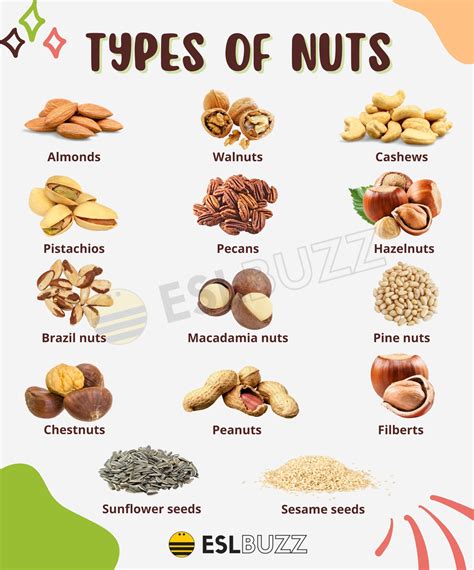
Walnuts are a delicious healthy snack on their own or a great addition to your salad, fruit, or yogurt. Not only do they taste great, but they also contain a type of fat known as Omega-3. This healthy fat is not only good for your heart, but it can also help to strengthen the fats in your skin. It acts like a natural moisturizer. On top of that, wonderful walnuts also contain a form of vitamin E that has been found to fight the effects of UV light. So, in theory, walnuts can also help reduce fine lines and wrinkles by mitigating UV damage. But don’t peel away all the goodness. Most of the antioxidants are found in the thin skin membrane of the walnut. Many nuts (especially almonds) are a great source of vitamin E, which may help repair skin tissue, retain skin moisture, and protect skin from damaging UV rays. Walnuts even contain anti-inflammatory omega-3 fatty acids that may help: strengthen skin cell membranes, protect against sun damage, and give skin a beautiful glow by preserving its natural oil barrier. To try: Sprinkle a mix of nuts on top of your salads, or eat a handful as a snack. Don’t remove the skin, either, as studies show that 50 percent or more of the antioxidants are lost without the skin.
Holistic Approach to Glowing Skin
By nourishing ourselves with these anti-aging foods, we can gain fuel to look and feel our best. If you’re looking for more delicious plants to try, choose fruits and vegetables deep in color. The rich shades are usually a sign of stronger radical fighting abilities to keep your skin healthy and vibrant. The more colors you can fit on your plate, the better. It’s time to slow down signs of aging and truly glow from within!
In addition to fruits, other factors that can help you achieve glowing, healthy skin include diets rich in fiber, antioxidants, drinking plenty of water, and getting regular exercise. Also, using the right skincare products and treating your skin to some extra pampering with a facial or another skincare treatment can help you maintain your skin's youthful glow.