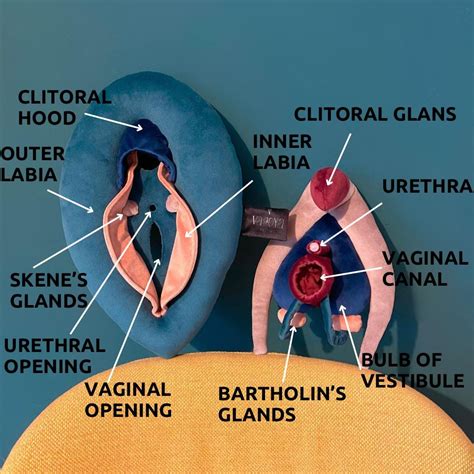
The concept of "vaginal bleaching" or "intimate area lightening" is often compared to hair bleaching or whitening other parts of the body. However, it is crucial to understand that this procedure involves the external genital area, specifically the vulva and sometimes the inner thigh, and never the internal vaginal canal. The intent behind these cosmetic procedures is to lighten the skin in the bikini area, aiming for a complexion that matches the rest of the body.
Understanding Vaginal Whitening
Vaginal whitening procedures are performed using various methods, including topical creams, chemical peels, and laser treatments. Despite the name "vaginal bleaching," these procedures do not involve the use of actual bleach. Instead, they utilize specific ingredients found in creams and serums that are designed to lighten the skin. The desire for this procedure often stems from an aspiration to achieve a uniform skin tone, similar to that of the rest of the body.
However, it's important to note that the natural pigmentation of the vulva can vary significantly and change over time. Factors such as age, pregnancy, and hormonal fluctuations can influence the skin's color. Many individuals may have unrealistic expectations about the appearance of their vulvar area, leading them to seek cosmetic interventions rather than accepting the naturally diverse and physiologically normal appearance of their vulva.
Normal Changes in Vulvar Skin Color
The skin throughout our bodies, including the delicate vulvar area, undergoes changes over time. These color variations are considered normal and are not indicative of any health issues or unattractiveness.
Common reasons for changes in vulvar skin color include:
- Hormonal Fluctuations: Natural hormonal shifts associated with life stages like pregnancy, perimenopause, and menopause are frequent causes of pigmentation changes.
- Friction and Irritation: Frequent waxing in the bikini area can lead to callusing of the vulvar skin, resulting in a darker appearance.
- Genetic Factors: An individual's natural skin type plays a role in pigmentation.
- Aging: As part of the natural aging process, skin color can change.
- Weight Gain: Changes in body weight can also influence skin pigmentation.
If you notice a sudden or severe change in the color of your vulvar skin, it is advisable to consult a healthcare provider, as this could indicate an underlying medical condition.
Are There Any Health Benefits?
There are no inherent health benefits associated with intimate area lightening procedures. While some individuals may report increased happiness or confidence as a result of these procedures, it's important to acknowledge that these feelings can be rooted in societal pressures and unrealistic beauty standards, which may be influenced by racist and sexist ideals. Addressing these underlying messages and fostering self-acceptance is often a more beneficial approach.
The American College of Obstetricians and Gynecologists (ACOG) states that these procedures are not medically indicated, and their safety and effectiveness have not been scientifically documented. A significant factor contributing to the dissatisfaction with natural vulvar appearance is the lack of exposure to the wide variety of shapes and colors that vulvas can naturally possess.

Understanding the Risks and Side Effects
The safety and effectiveness of vaginal whitening treatments are not universally established and depend on numerous factors, including the specific treatment used, the area of application, frequency and duration of use, individual body chemistry, and whether the procedure is performed by a professional or at home.
Potential risks and side effects include:
- Irritation and Inflammation: Over-the-counter products can cause irritation, swelling, burning, inflammation, and infections such as yeast infections or bacterial vaginosis.
- Pain and Discomfort: Some treatments can be painful during and after application.
- Scarring: Laser treatments or harsh creams can lead to burns and permanent scarring. Scarring, particularly over the clitoral hood, can cause it to adhere to the clitoris, leading to intense pain during arousal and potentially reducing sensation.
- Loss of Sensation: Scarring or nerve damage from certain procedures can result in a loss of sensation.
- Increased Sensitivity: Conversely, some treatments may lead to heightened sensitivity and pain.
It is crucial for individuals to be fully informed about the potential complications before considering these procedures.
Safe Practices and Alternatives
If you are considering intimate area lightening, it is highly recommended to consult with a trained medical professional, such as a board-certified OB-GYN or dermatologist. They can assess your vulvar health, rule out any underlying medical conditions, and provide guidance on safe cosmetic treatments or suggest alternatives.
Key recommendations include:
- Consult a Professional: Always seek advice from a qualified healthcare provider. Be wary of any provider willing to perform laser treatments on the inner labia, as this area carries a higher risk of complications.
- Avoid DIY Treatments: At-home bleaching kits or DIY remedies significantly increase the risk of adverse side effects.
- Patch Testing: If you choose to use an at-home product, always perform a patch test on a small area of skin on your forearm first. Wait for the recommended time to observe any adverse reactions before applying it to genital skin. Even without an immediate reaction on your arm, a reaction can still occur on more sensitive genital skin.
- Embrace Natural Variation: Understand that vulvas and vaginas are unique, and variations in color are normal and healthy. Resources like The Labia Library and "Petals: Fine Art Photography of Vulvas" can help promote acceptance of natural diversity.
- Therapy and Education: If societal pressures are affecting your self-esteem, consider therapy or educational resources to help you unlearn negative messages about beauty standards.
- Partner Education: If your partner expresses concerns about your vulvar appearance, educate them about the natural variations in vulvar color and the normalcy of darker labia.
- Gentle Intimate Care: Use mild, dermatologist-approved products for intimate hygiene. Gentle cleansers, moisturizers, and soothing ointments can help maintain skin health and reduce irritation without harsh chemicals.
If You Struggle With Body Image Issues, Watch this
Ultimately, accepting the natural appearance of your vulva is a powerful form of self-care. If you are experiencing sudden or significant changes in vulvar skin color, seeking professional medical advice is the most important step to ensure your health and well-being.