The desire for perfectly shaped eyebrows has led many to embrace microblading, a popular semi-permanent makeup technique. However, not all microblading results are satisfactory, and sometimes a need for removal or correction arises. This guide explores the processes of saline and glycolic acid microblading removal, offering a detailed look at how these non-laser methods work, who they are best suited for, and essential aftercare instructions.
Understanding Non-Laser Tattoo Removal
Both saline and glycolic acid treatments fall under the umbrella of non-laser tattoo removal. These methods offer an alternative to traditional laser procedures for removing or lightening permanent makeup, including microbladed eyebrows.
What is Saline and Glycolic Acid Cosmetic Tattoo Removal?
Saline tattoo removal is a procedure specifically designed to naturally remove tattoos and microbladed eyebrows. This technique involves using a saline solution, composed of salt and purified water, which is carefully implanted into the skin. The saline solution works to break up the tattoo pigment, drawing it out of the skin. Glycolic acid can also be employed in a similar fashion. By opening the skin, these solutions bond with ink particles, forming a scab that, upon falling off, takes the ink with it. This process effectively reverses the way the ink was initially implanted.
While non-laser methods are often utilized by permanent makeup artists who may not have access to lasers, it's important to note that they do not entirely replace laser treatments. Instead, these non-laser techniques can serve as a compliment to laser treatments rather than a direct substitute. It's also worth mentioning that body tattoo removal areas are generally too large for these specific treatments.
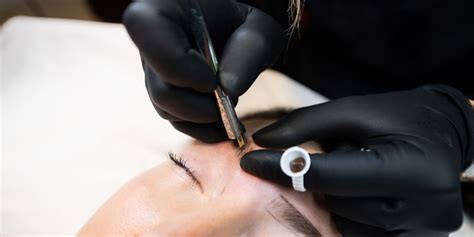
How Does it Work?
The procedure typically begins with the application of a numbing cream to minimize discomfort. Following this, the technician sterilizes the treatment area. A device resembling a tattoo gun is then used to implant the saline or glycolic acid solution into the skin where the tattoo or microblading is located. This solution works to break down the pigment and, through osmosis, pulls it to the skin's outer surface. As the treated pigment heals into a scab, the tattoo gradually becomes lighter over an 8-10 week period. It is important to understand that this is primarily a lightening method rather than a complete removal method.
Any non-laser removal technique necessitates opening the skin to access the implanted pigment. This inherent characteristic can make it more aggressive than laser treatments, which do not breach the epidermis. Consequently, non-laser removal is rarely performed more than twice.
Saline vs. Laser Removal
Saline removal offers a viable alternative to laser treatments, particularly when laser intervention might be complicated, such as in cases involving Titanium Dioxide. Non-laser methods can also be more effective for certain colors, including white ink and other hues. They can be particularly effective when the treated area is heavily saturated with ink.
However, non-laser treatments do not eliminate the eventual need for lasers or other removal processes. Non-laser methods, like saline and glycolic acid, are especially useful when dealing with flesh-toned or white pigments.
Ideal Candidates for Saline and Glycolic Acid Removal
These non-laser removal techniques are best suited for individuals with:
- Small tattoos (generally no larger than a deck of cards).
- Microblading or permanent makeup removal.
It is generally not recommended for individuals with:
- Large tattoos.
- A tendency towards keloid scarring.
- Diabetes.
Patience and strict adherence to aftercare instructions are crucial for achieving optimal results with these methods.
What to Expect During and After Treatments
During the treatment session, clients may experience minor bleeding and bruising. Tenderness in the treated area is also common for a few days post-procedure. The skin will form a scab, which typically heals within a few weeks. Fading of the pigment occurs gradually over several months. It is imperative that clients refrain from picking at the scabs, allowing them to fall off naturally.
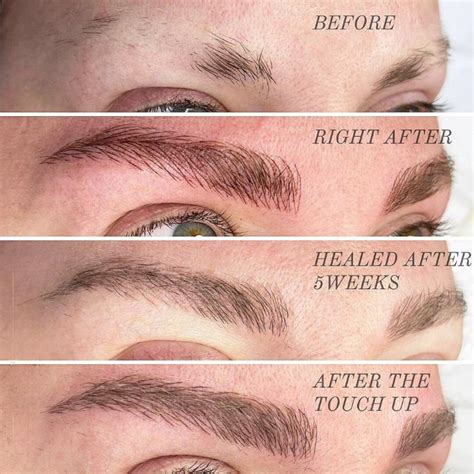
Aftercare: Ensuring Optimal Healing
The aftercare for saline or glycolic acid tattoo removal is more involved than for laser treatments. Key instructions include:
- Keeping the area dry: The treated area must be kept dry for approximately 10 days, or until the flaking process stops. This requires careful management during washing and showering.
- Avoiding cosmetic products: Do not apply makeup or cosmetic products to the wound.
- Protecting the wound during showers: Efforts should be made to prevent the wound from getting wet during showers.
- Managing lymph fluid: If lymph fluid drainage occurs, gently blot the area without rubbing.
- Rehydration: After the scab has fallen off, applying 2-3 drops of Vitamin E oil can help rehydrate the skin.
Adhering to these aftercare protocols is essential for proper healing and to prevent complications.
Preparing for Microblading Removal
To ensure a safe and effective treatment, follow these preparation guidelines before your removal session:
- Avoid sun exposure: Protect the treatment area from direct sunlight.
- Stay hydrated: Drink plenty of water in the days leading up to the procedure.
- Avoid exfoliation and waxing: Do not exfoliate the skin or wax the treatment area prior to your appointment.
- Refrain from certain medications and substances: Avoid aspirin or anti-inflammatory medications, as these can increase bleeding. Also, refrain from alcohol, NSAIDs (like ibuprofen and naproxen), and Vitamin E for at least 10 days before your session.
- Postpone other treatments: Avoid chemical peels, microneedling, laser facials, and products containing retinol, AHA, or BHA in the days before your session, as these can increase skin sensitivity.
Post-Removal Healing and Considerations
After a microblading removal treatment, the treated area may feel itchy as it begins to heal and will likely scab over. It is crucial not to pick at the scabs, as this can affect the desired outcome.
Key post-treatment instructions include:
- Hydration: Continue to drink plenty of water to aid your body's natural detoxification process.
- Avoid alcohol and smoking: These can hinder the healing process.
- Sun protection: Stay away from heat and direct sun exposure, as sunburn can slow down healing.
- Moisturizing: After three days, apply a specialized moisturizer to promote healing and soothe itching.
- Makeup: Avoid wearing makeup on the treated area for at least 10 days to prevent infection.
- Showering: Avoid direct water contact on the treated area for at least 7-10 days. Pat the area dry gently and consider using a brow cap for protection during the healing process.
The treated area may exhibit mild redness and swelling immediately after the session, which typically subsides within a few days. The pigment continues to fade gradually over 6 to 8 weeks as it is absorbed by the body. Consistent adherence to aftercare is vital for a smooth recovery and optimal results.
BEST MICROBLADING RESULTS {Step by step instructions for Microblading Aftercare} Tina Davies
Home Care and Natural Fading Methods
While professional treatments are often recommended, some individuals explore home-based methods for fading old microblading. Products containing glycolic acid, such as glycolic acid peels, work by gently exfoliating skin layers, gradually lightening pigment. Always perform a patch test on an inconspicuous area before applying any peel to the eyebrows.
Natural ingredients like lemon juice or sea salt, applied with cotton swabs in a circular motion, are also sometimes used. However, it's important to note that these methods may not always be effective and might require multiple sessions. If you feel uneasy performing these treatments yourself, consulting a professional technician is advised for safer and more effective fading options tailored to your skin type.
For those with new eyebrow tattoos, immediate removal is not possible. However, certain practices can promote safe fading during the healing period. Correction and removal are options available once the skin has fully healed, typically between 4 to 6 weeks after the initial tattooing. It is crucial to consult with your eyebrow tattoo artist for advice and support. If unusual skin reactions occur, seek medical attention. Never apply these techniques to eyebrow piercings, and always consult a doctor or professional before undertaking any skin modifications or treatments.
Other Home Care Ingredients:
- Warm showers: Twice daily for five days can stimulate wound healing and help remove pigments. Massage eyebrows in circular motions during showers and gently pat dry afterwards.
- Rosehip Seed Oil: Apply 1-2 drops to each eyebrow three times daily for two weeks, massaging in circular motions. This oil promotes pigment lifting and aids skin healing, reducing scar tissue formation. Use organic products.
- Sea Salt: For 10 days, mix crushed organic sea salt with lukewarm water on cotton pads to gently cleanse eyebrows. Let it sit for a few minutes, rinse with warm water, and pat dry. If skin is sensitive, refrain from repeating.
- Retinol-based products: Retinol aids in fading pigmentation and improving the appearance of permanent makeup by promoting skin cell proliferation and deeper chemical penetration for new skin layer development.
- Hydrogen Peroxide Paste: A paste made with hydrogen peroxide and baking soda or salt can help reverse pigmentation and fade microblading.
Fading old microblading is an essential process for refreshing your brows. With the right product and method, you can lighten pigments at home, but always remember to patch-test first.
Choosing the Right Professional for Removal
Selecting a clinic with qualified professionals is paramount for safe and effective microblading removal, minimizing potential risks. Look for professionals who:
- Avoid risks: Can choose the appropriate removal procedure, mitigating risks associated with treatments.
- Perform the right procedures: Possess the knowledge and experience to accurately and safely perform medical procedures.
- Use equipment accurately: Are skilled in handling lasers and medical equipment to minimize malfunctions.
- Provide effective counseling: Can offer accurate guidance, explaining procedures, and setting realistic expectations for results.
If you're considering microblading removal, whether to correct faded results or start fresh, booking a consultation with an expert brow artist is the recommended first step towards achieving the brows you desire.
tags: #glycolic #acid #microblading #removal