Are you frustrated with skin issues and looking for solutions? The problem could be your water quality. While water can be treated at the municipal level for microbes and harmful bacteria, there are other contaminants that may be lurking in your water. These can cause all sorts of problems, including dry skin. Some of the most common contaminants are hardness minerals.
What is Hard Water?
Hard water is water containing a significant amount of dissolved minerals, mostly calcium and magnesium. Hardness is measured in grains per gallon (gpg). Most of the United States has at least some degree of water hardness (greater than 1 gpg). Some areas have extremely hard water, which is anything over 10 gpg. The harder your water is, the more negative effects it will have on your body and your home.
What are the Effects of Hard Water on Skin?
When combined with soap, the minerals in hard water cause it to form a curd instead of a lather. You’ve probably seen this in the form of soap scum lining your bathtubs and sinks. It’s difficult to rinse off and difficult to remove. After bathing in hard water, a layer of this soap curd is left behind on your skin. It dries out your skin and blocks moisture from reaching the deeper layers, so lotion doesn’t work very well.
The most common effect of hard water on the skin is causing unnecessary dryness and irritation. This is due to the water’s inability to properly dissolve soaps (both used directly on the skin and detergents used on laundry). This unrinsed soap draws out the skin’s natural oils, leading to skin that is dry, flaky, and itchy.
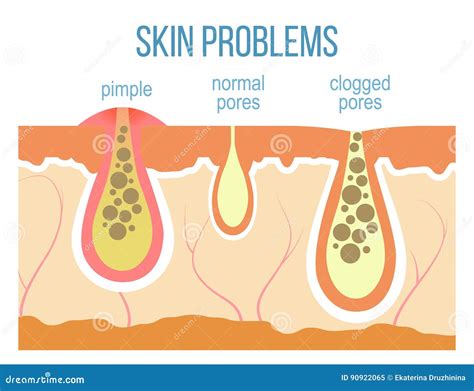
The excess minerals within hard water can also directly dry on the skin, which clogs the pores and leads to acne breakouts. In drier climates, hard water is often cited as a cause of dermatitis.
Hard Water and Specific Skin Conditions
Many studies have been done evaluating the connection between eczema, also known as atopic dermatitis, and hard water. Since hard water can cause dry skin in people without eczema, imagine what it does to those with the condition. One study evaluated infants’ exposure to differing levels of hardness. It concluded that higher levels of hardness increase an infant’s chance of developing eczema.
Researchers at the University of Sheffield have reported hard water igniting the development of eczema-a skin condition that leaves a dry, red rash on the body. Hard water eczema is a well-documented phenomenon. Eczema is a chronic skin condition characterized by dry, itchy, inflamed skin, and hard water is one of many environmental factors that can trigger or aggravate it. The minerals in hard water strip natural oils from the skin, weakening its protective barrier and making it more vulnerable to irritation and allergens.
Other skin conditions can be aggravated by hard water or other contaminants. For example, psoriasis is more prevalent in areas with hard water. Psoriasis causes rapid skin cell turnover, leading to scaly, inflamed patches. Hard water’s mineral content further strips moisture from the skin, often triggering increased flaking, cracking, and irritation.
Acne, especially the cystic kind, can be made worse because of chlorine. Acne is the most widespread skin condition in the United States, impacting up to 50 million Americans annually, according to the American Academy of Dermatology. The condition is tied to bacteria affecting oil-producing glands beneath the skin, which are influenced by the adrenal glands. Hard water can worsen acne symptoms by leaving behind mineral deposits that clog pores.
The exact cause of rosacea remains unclear, but experts believe it stems from a mix of genetic predisposition and environmental triggers. Similar to acne, hard water can worsen rosacea by irritating the skin and contributing to clogged pores.
If you deal with psoriasis, eczema, acne, or rosacea, hard water could be contributing to your symptoms. While it might seem strange to think of water as a skin irritant, factors like pH levels, temperature, and the presence of dissolved particles can all influence skin health. In simple terms, the minerals found in hard water can weaken the skin’s outer layer, making it harder for the skin to retain moisture and shield itself from environmental irritants.
Hard Water's Impact on Children and Pets
The effects of hard water may be particularly tough on the children in your home. A collection of studies that sampled more than 380,000 children ranging from infancy to the end of elementary school found that children raised in areas with hard water are more likely to develop atopic dermatitis, or eczema, than children in areas with soft water.
Unfortunately, hard water has a similar effect on our furry friends as it does to humans. Washing your pets in hard water can leave a residue on their fur and skin that can cause dryness, itchiness and irritation and lead to excess scratching and shedding.
Signs of Hard Water
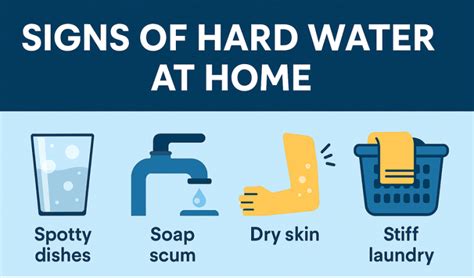
Hard water manifests in different levels of severity depending on the level of calcium or magnesium it contains. This is why homes within different cities and counties can experience varying degrees of water hardness. Some of the most common signs of hard water include:
- Dull and rough feeling clothes or linens after washing
- Stains and scale buildup along faucet heads, sinks, and bathtubs
- Low water pressure in both showers and faucets
- Chalky or white spots on dried dishes after they are washed
- Dry skin and flat hair
If you’re experiencing the aforementioned skin issues (or flat hair) and have noticed any of the above signs at your house, you may have a hard water issue.
What Can I Do About Hard Water?
Lotion can only work so well when it doesn’t reach the deeper layers of your skin. We know hard water is the problem, so how do you solve it? A whole-house water softener uses a special ion exchange resin to remove the hardness minerals by replacing them with less harmful ones, such as sodium or potassium.
Water softeners work by removing calcium and magnesium through a process called ion exchange. For anyone dealing with skin concerns, adding a water softener can be a game-changer. A water softener eliminates excess minerals, turning hard tap water into soft water that’s easier on your skin, scalp, and even your plumbing.
How an ion exchange water softener works.
Other Solutions and Countermeasures
If a water softening system is not a viable option, you may consider using a water softening shower head which can filter out hardening minerals when you shower. Another option is to use a gentle cleanser instead of a standard cleanser to clean the skin as they rinse easier and will not dry out the skin. It’s also a good idea to opt for a natural, hypoallergenic laundry detergent.
To offset the drying impact of hard water, apply a daily moisturizer rich in ceramides. Opt for soaps or facial cleansers that include chelating agents like citric acid, EDTA, or sodium phytate. Clear glycerin soaps are also a smart choice.
Beyond mineral content, water temperature is also important for healthy skin. Taking a long hot shower will dry out and irritate the skin, even if “non-hard” water is used. You can even go one step further by using distilled water when washing your face. Finally, it’s important to use a high-quality hydrating moisturizer daily, especially right after a bath or shower as this allows for the best absorption since the skin is still porous. Moisturizers add instant hydration while also forming a protective barrier that helps the skin retain moisture. Using a serum containing hyaluronic acid before applying a moisturizer can further boost your skin’s hydration.
Testing Your Water
One way to confirm if you have hard water is to have your water tested. Morton salt offers free hard water testing strips. A professional test can tell you all kinds of things about your water quality. While you can often find at-home test kits, these may not be as comprehensive as a professional test. Every free, in-home water test from Culligan® comes with a consultation-a chance to talk about your results with your local water expert.
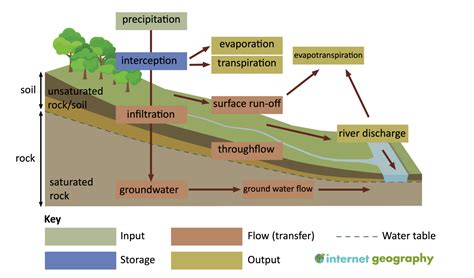
The main difference between hard and soft water is the presence of hardness minerals. These minerals are present in the natural world, which means they can accumulate as water moves through various cycles. For example, rain filters through layers of earth and rock, picking up calcium and magnesium before joining the source of your city or well water. Water hardness is measured using grains per gallon (gpg). But why do these excess minerals cause problems? As hard water travels through your home’s plumbing, it can leave calcium and magnesium behind.