Ringworm, scientifically known as dermatophytosis, is a common fungal infection affecting the superficial layers of the skin, hair, and nails in cats. Despite its name, it has no relation to actual worms. The fungi responsible, called dermatophytes, are microscopic organisms that can cause disease in both animals and humans. These fungi originate in the soil but thrive as parasites on animals and people.
The most common clinical sign of ringworm infection in cats is one or more areas of alopecia, or hair loss. This occurs due to the increased fragility of infected hairs. Typically, the infection manifests as a discrete, irregular, or circular patch of hair loss, accompanied by variable scaling, crusting, thickening, and reddening of the skin. While the appearance can vary, lesions are often small, typically a few centimeters in size, and may be located on the face, head, ears, forelimbs, whiskers, toes, and tail. In some cases, the skin lesions may be raised and nodular. Many cats, particularly longhaired breeds, can be infected and spread ringworm without showing any symptoms.
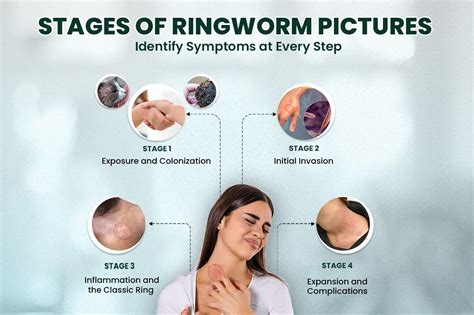
Diagnosis of Ringworm
Diagnosing ringworm infection is usually straightforward, although it must be distinguished from other potential causes of hair loss. Several methods are employed for diagnosis:
Wood's Lamp Examination
An inexpensive and simple screening tool, a Wood's lamp (a type of ultraviolet light) can be used to examine a cat's coat. Infected hair shafts, specifically those infected by *Microsporum canis*, often emit an apple-green fluorescence. However, this method is not always sensitive, as only about 50% of *M. canis* strains fluoresce, and other dermatophytes do not fluoresce at all. Additionally, debris, scale, lint, or topical medications can sometimes produce false positive results. Therefore, Wood's lamp findings should ideally be confirmed by other methods.
Microscopic Examination
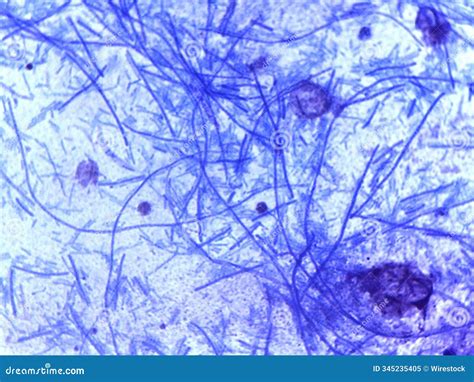
Direct microscopic examination of infected hairs and scales is another rapid method to detect dermatophytes. It is recommended to pluck hairs, preferably under Wood's lamp illumination, from the affected area. Samples are typically cleared with a potassium hydroxide (KOH) solution before examination. Fungal elements appear as thicker hairs or hair fragments with hyphae and arthrospores, exhibiting a rough and irregular surface. However, this method can also yield false positive results if debris is mistaken for fungal elements, and its sensitivity is relatively poor.
Fungal Culture
For a more accurate diagnosis, a veterinarian may take samples of the cat's hair and skin for a fungal culture test. This is considered the gold standard for detecting dermatophytes. The culture is typically performed on Sabouraud agar, a specialized medium that inhibits bacterial growth while promoting fungal growth. A positive culture demonstrates characteristic cottony fungal growth and often causes the culture media to turn a reddish color, confirming the presence of ringworm. This method is crucial for definitive diagnosis, especially when other methods are inconclusive.
How Long Does Ringworm Last in Cats?
The duration of ringworm infection in cats can vary depending on several factors, including the severity of the condition, the cat's overall health, and the effectiveness of the treatment. While the appearance of lesions may not change significantly during the first week of treatment, some improvement should be evident within 2-3 weeks. The contagion period can also vary. Typically, a cat can remain contagious for about three weeks if aggressive treatment is implemented. However, ringworm spores can remain active in the environment for over a year, potentially causing reinfection if not properly cleaned.
In many cases, with appropriate treatment, most cats will recover from ringworm infection within a few weeks. However, the treatment itself usually lasts for a minimum of six weeks, and in some instances, much longer therapy is required to ensure the fungus is completely eradicated. It is crucial not to stop treatment prematurely to avoid recurrence of the disease. Cats and dogs infected with ringworm may experience spontaneous remission without treatment, but this process can take a very long time, potentially 3 months or more, during which the infected individual can contaminate the environment and infect others.
Treatment of Ringworm in Cats
Ringworm in cats is a common yet treatable condition. Effective treatment typically involves a combination of approaches to combat the fungal infection both externally and systemically, and to decontaminate the environment. Treatment usually lasts for at least four to six weeks, and commitment to the prescribed regimen is key to successful eradication.
Topical Therapy
Topical treatments, such as anti-fungal shampoos, creams, and ointments, can be applied directly to the infected areas. These treatments can help kill fungal spores, which is important for preventing environmental contamination and transmission to other animals and humans. For localized lesions, creams and ointments are applied. In cases of more generalized disease, a veterinary surgeon may recommend an anti-fungal shampoo. It is extremely important to only use preparations specifically provided or recommended by a veterinarian for topical treatment of cats. For topical treatment to be more effective, especially in longhaired cats, the hairs around the lesions should be clipped away to allow better penetration of the medication. Medicated shampoo baths are also a common part of the treatment regimen.
Systemic Therapy
For most cases of ringworm, effective treatment requires the administration of oral anti-fungal drugs. These medications combat the fungal infection systemically. The most widely used drug for this purpose has historically been griseofulvin, although newer alternative drugs are now available. Other preferred oral medications include itraconazole and terbinafine. These oral medications kill the fungus internally and are crucial for a complete cure, as topical treatments alone are often not sufficient. It is important to adhere to the prescribed treatment schedule and not to stop the medication unless advised by the veterinarian, as individual responses to treatment vary.
Environmental Cleaning and Decontamination
Hairs infected with ringworm contain numerous microscopic fungal spores that can be shed into the environment. These spores can remain viable for extended periods, up to a year or even longer in dry environments, posing a risk of reinfection. Therefore, intensive decontamination of the environment is crucial, especially in multi-cat households or catteries. This involves thorough cleaning and disinfection of all areas the cat has access to. Daily or every-other-day vacuuming of rooms is recommended to minimize environmental contamination. The cat's bedding, toys, and any other items that may have accumulated hair should be washed frequently, ideally with bleach to kill spores. Restricting the cat to easily cleanable rooms of the house can also help manage environmental contamination. Thorough cleaning reduces the number of infectious spores present in the surroundings.
Kitten Ringworm Emergency! 🚨 Fast & Safe Home Treatment
Transmission and Zoonotic Potential
Ringworm is a highly contagious disease and can be transmitted between cats, other animals, and humans. Infection can occur through direct contact with an infected cat, or indirectly through contact with contaminated objects or surfaces, such as bedding, grooming tools, or furniture. Since ringworm is a zoonotic disease, it can be transmitted from animals to people. Kittens, older cats, and cats with weakened immune systems are at a higher risk of contracting ringworm. Humans, particularly children, can also contract ringworm. If any humans in the household develop skin lesions, such as small patches of skin thickening and reddening or patches of hair loss, early medical attention should be sought.
The incubation period for ringworm caused by *M. canis* is typically 1 to 3 weeks. During this time, the fungus colonizes the hair shafts and follicles, producing spores that weaken the hairs, leading to breakage and hair loss. While many immunocompetent cats develop mild, self-limiting infections, immunosuppressed animals may experience more severe, multifocal, or generalized skin disease, sometimes with secondary bacterial infections.
Prevention and Management
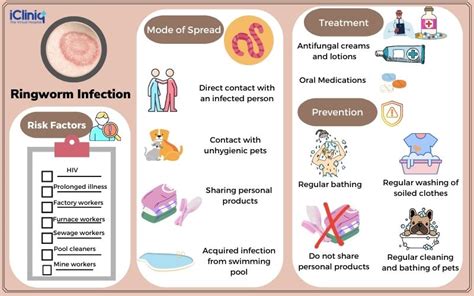
Preventing ringworm is primarily about maintaining a clean and hygienic environment for your cat. In households with multiple cats, it is advisable to get all cats checked if one is diagnosed with ringworm, as many cats can be infected subclinically or act as carriers. Introducing new animals into a cattery or household should be done with caution; quarantining new cats for several weeks is recommended. Reducing stress for cats is also important, as stress can lower the immune system and potentially exacerbate or facilitate the spread of the fungus.
In shelter settings, ringworm can be a significant challenge. Infected cats are often isolated to prevent further spread, but this can lead to prolonged stays, impacting their mental health and adoption prospects. Educating the public about ringworm and reducing the stigma associated with it are crucial steps. Allowing cats to be adopted while undergoing treatment, with adopters trained on proper care and administration of medication, can help reduce shelter overcrowding and shorten the time cats spend in isolation. Providing clear information and support, such as handouts and FAQs, empowers adopters to manage the condition effectively at home.