Botox is a widely favored treatment for diminishing wrinkles and achieving smoother skin. For those considering their first Botox session, common questions arise regarding the quantity of Botox needed and, specifically, how many units will be administered. Understanding these aspects is crucial for making informed decisions about when and how frequently to undergo Botox treatments to maintain desired results.
What is a Unit of Botox?
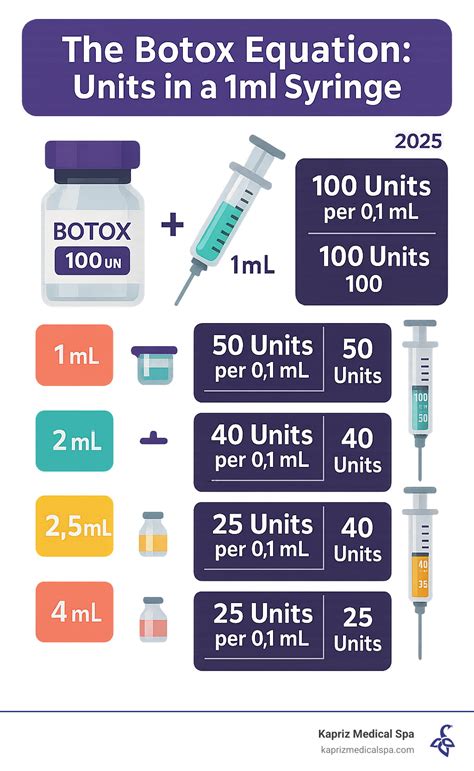
Botox is measured in "units," which represent a standardized measurement used to quantify the amount of product being injected. Each brand has its own unit system, based on how the product is prepared and tested. A unit of Botox refers to the specific way Botox is measured and does not refer to liquid volume. Botox is supplied to medical clinics as a dry powder and must be reconstituted with sterile saline before administration. The amount of saline added affects the concentration, but the unit count remains consistent.
A single Botox syringe, after dilution, contains a specific number of units. While Botox is sold in vials containing either 50 or 100 units, practitioners draw up the correct number of units into a syringe for each injection site. The markings on an insulin syringe, often used for precision micro-dosing, indicate insulin volume measurements, not Botox units. The injector calculates the unit amount based on the known dilution.
The number of units required for a treatment varies significantly based on several factors, including:
- Muscle strength: Stronger facial muscles generally require more units.
- Facial anatomy: The size and structure of the muscles being treated.
- Desired results: Whether a subtle softening or a more dramatic smoothing is sought.
- Treatment area: Different areas of the face have varying muscle activity and size.
- Patient's history with neuromodulators: First-time users may start with a conservative dose.
- Gender: Men often have stronger facial muscles and may require more units.
- Age and skin elasticity: As we age, skin loses elasticity, and lines may deepen.
How Many Units of Botox Are Typically Needed for Different Areas?
While individual needs vary, general guidelines exist for the approximate number of Botox units required for common treatment areas. It's important to remember that these are starting points, and a qualified injector will tailor the dosage to your specific needs.
Forehead Lines
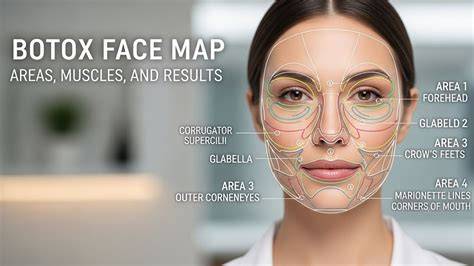
The forehead is a common area for Botox injections, as horizontal lines often appear with aging. To soften these lines, a provider typically recommends between 10 to 30 units of Botox. The exact amount depends on the size of the forehead and the strength of the frontalis muscle. Deeper lines or more active muscles may require a higher dose.
Frown Lines (Glabellar Lines or "11s")
The vertical lines between the eyebrows, often referred to as "11s," can make one appear tired or angry. The muscles in this area are frequently strong due to expressions like frowning or squinting. For frown lines, most people need approximately 20 to 40 units to effectively relax these muscles and smooth the skin. Some sources suggest 10-20 units for frown lines, while others indicate 10-25 units, emphasizing the need for individual assessment.
Crow's Feet
Crow's feet are the fine lines that appear at the outer corners of the eyes when smiling or laughing. Treating this delicate area usually requires about 5 to 15 units per side. The skin and muscles around the eyes are smaller, necessitating a lighter touch. Providers commonly inject around 24 total units in three different sites around each eye to soften these lines.
Lip Flip
For a "lip flip" to make the upper lip appear larger, a small number of units is typically needed, ranging from 4 to 8 units of Botox.
Smile Lines (Nasolabial Folds)
To smooth out smile lines, also known as nasolabial folds, you may need between 7 and 25 units, depending on the age and severity of the lines.
Under Eyes
Botox can be used to minimize bags and dark circles under the eyes by relaxing targeted muscles, preventing the appearance of wrinkles from squinting and smiling, and avoiding the "jelly roll" effect. Specific unit recommendations for this area are less commonly cited but would be determined by an individual assessment.
Masseter Muscles (Jawline Slimming / TMJ)
For slimming the appearance of a bulky jaw or addressing jaw pain and dysfunction (TMJ), most people need between 15 and 50 units of Botox per side.
Underarm Sweating (Hyperhidrosis)
For medical treatment of excessive underarm sweating (hyperhidrosis), around 100 units of Botox are typically recommended.
Factors Influencing Your Perfect Dose
Determining the precise amount of Botox needed is a personalized process that involves more than just a standard calculation. A skilled injector will consider several key factors:
- Muscle Movement Assessment: Providers often ask patients to animate their faces (frown, raise eyebrows, smile, squint) to observe muscle strength and movement patterns. This assessment helps tailor the dosage to achieve the desired smoothing without an unnatural, "frozen" appearance.
- Facial Anatomy: The unique structure of your face, including the size and placement of muscles, influences how Botox will work and how much is needed.
- Desired Outcome: Discussing your aesthetic goals-whether you seek subtle softening or a more pronounced reduction in wrinkles-is crucial for determining the appropriate dosage.
- Botox History: For first-time users, a conservative approach is often taken to gauge response. Regular users may have a predictable response, and over time, consistent treatments can sometimes allow for slightly lower maintenance doses.
- Gender Differences: Men's typically stronger and larger facial muscles may necessitate higher unit counts compared to women for similar treatment areas.
Botox vs. Dermal Fillers
It's important to distinguish between Botox and dermal fillers, as they serve different purposes and are measured differently. Botox is a neuromodulator that works by relaxing muscles to smooth dynamic wrinkles (those caused by movement). Dermal fillers, on the other hand, are used to add volume beneath the skin's surface to address static wrinkles, contour the face, and enhance features like lips and cheeks. Fillers are typically measured in milliliters (ml) per syringe, with a single syringe often containing 1 ml of product.
Botox and dermal fillers can be used in combination for a comprehensive facial rejuvenation, addressing both muscle-related lines and volume loss.
Safety and Professional Administration
Botox is a medical procedure, and safety is paramount. It is essential to have Botox administered by a qualified and experienced professional, such as a board-certified plastic surgeon, dermatologist, or a highly trained nurse injector. These professionals understand facial anatomy, proper injection techniques, and sterile protocols, minimizing the risk of adverse effects like bruising, swelling, or unintended migration of the product.
Key aspects of safe administration include:
- Medical Facility: Treatments should occur in a clean, well-equipped medical facility.
- Practitioner Credentials: Ensure your injector is properly certified and has extensive experience with Botox.
- Injection Technique: Precise depth and placement are critical to avoid complications and achieve natural results. Aspirating the syringe before injection helps prevent accidental injection into a blood vessel.
- Post-Care Instructions: Following your provider's aftercare instructions, such as avoiding massage of the treated area and strenuous activity, is important for optimal results and healing.
How Long Do Botox Results Last?
The effects of Botox injections typically last from three to four months. To maintain the desired smooth appearance, follow-up injections are recommended. With regular applications over time, some individuals may experience a training effect on their muscles, leading to a more relaxed expression even between treatments.