Fungal infections are a common complication associated with acrylic nails, which are artificial enhancements applied over natural fingernails. These infections occur when invasive fungi grow in or on the body. While fungi naturally exist in small amounts on our bodies, some infections arise when these fungi grow uncontrollably, or due to exposure to fungi not typically present. Fungal infections of the nail are a frequent issue for individuals using acrylic nails, accounting for over 50 percent of all nail disorders. Research indicates a high prevalence, with one study finding that 67 out of 68 women who developed nail concerns after removing acrylic nails had fungal infections.
Understanding the Causes of Acrylic Nail Fungus
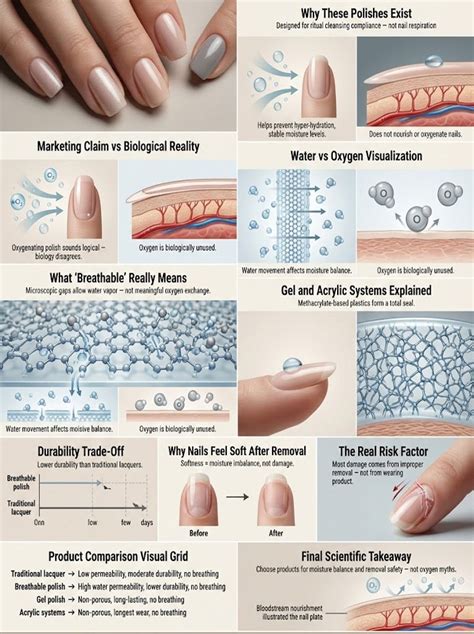
The primary reason fungal infections develop with acrylic nails is the trapping of moisture. Acrylic nails are attached using an adhesive. If these nails become loose or are not applied correctly, moisture can become trapped between the acrylic and the natural fingernail. Fungi thrive in moist environments, leading to potential growth in this trapped water.
Common Culprits: Dermatophytes
A group of fungi known as dermatophytes are most frequently responsible for nail fungal infections, with Trichophyton rubrum being a common offender.
Role of Nail Polish and Contaminated Equipment
Evidence suggests that fungi may be able to survive and multiply within certain nail polishes, making it advisable to avoid sharing nail polish. Additionally, contaminated equipment at nail salons can expose individuals to fungi that may cause infections.
Other Contributing Factors
- Poorly Applied Acrylics: Acrylics that are not applied correctly can trap moisture or create uneven surfaces where fungus can flourish.
- Keeping Acrylics On for Too Long: Prolonged wear without maintenance can allow infections to develop.
- Small Damages: Cracks or lifted edges on acrylic nails provide an entry point for fungi.
- Failing to Clean and Maintain Nails: Inadequate nail hygiene increases the risk of infection.
- Cuts or Abrasions: Any damage around the nail bed can make the area more vulnerable.
Symptoms of Fingernail Fungus from Acrylic Nails
Initially, a fungal infection may not present any noticeable symptoms. However, as the infection progresses, several signs may become apparent:
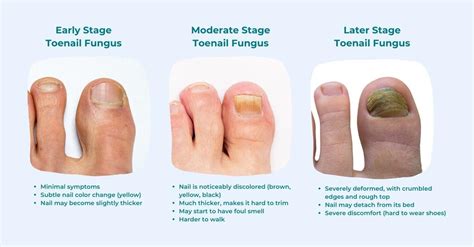
- Discoloration: Nails may turn yellow, green, brown, or black. White spots can appear in the early stages.
- Nail Texture Changes: Nails can become brittle, thickened, or develop ridges and a rough texture. They might also appear cloudy, losing their transparency.
- Nail Structure Issues: Nails may crack, split, or crumble. Gaps can form as nails lift from the skin, or the nail might separate from the nail bed.
- Physical Sensations: You might experience pain and soreness, especially when applying pressure to the nail. Itchiness and swelling around the nail can also occur.
- Odor: A musty or sour smell may emanate from the infected nail.
Home Remedies for Acrylic Nail Fungus
Fingernail infections often resolve on their own or with the use of home remedies. The initial step after noticing an infection is to remove the acrylic nail and thoroughly wash the fingernail with soap and water. It is crucial to avoid applying a new nail until the infection has completely cleared.
While not scientifically proven for all cases, some individuals report success with the following home remedies:
- Vinegar Soak: The acidic nature of vinegar can inhibit the growth of fungi and bacteria. Soaking the affected finger in a mixture of 2 parts warm water to 1 part vinegar for 15-20 minutes daily may be beneficial.
- Vicks VapoRub: An older study suggested Vicks VapoRub had a positive clinical effect on killing toenail fungi. Applying a small amount to the fingernail once a day is a reported method.
- Tea Tree Oil: Some research indicates that tea tree oil may help treat nail fungus, though more studies are needed. Applying the oil to the nail twice daily is a common recommendation.
- Oregano Oil: The chemical thymol in oregano oil is believed to possess antifungal properties. Application of oregano oil to the nail twice daily with a cotton swab is suggested.
- Listerine Mouthwash: Due to its antifungal ingredients, soaking the finger in original Listerine for 30 minutes a day has been claimed by some to help clear infections.
- Baking Soda Paste: Applying a paste of baking soda and water for 10 minutes, then rinsing, is another suggested remedy.
- Garlic Application: Crushing fresh garlic and applying it directly to the nail is also mentioned as a potential natural treatment.
- Coconut Oil Massage: Massaging coconut oil onto the nail daily is another home care option.
- Epsom Salt Soak: Soaking nails in warm water with Epsom salt for 15-20 minutes is also recommended.
Medical Treatment for Nail Fungus
Medical intervention is typically reserved for more severe fungal infections, which are more common in individuals with suppressed immune systems, such as those undergoing chemotherapy or living with HIV.
Prescription Medications
- Oral Antifungal Medications: The gold standard treatment is often the prescription oral antifungal medication terbinafine. Other oral options include itraconazole, fluconazole, and griseofulvin. These medications may need to be taken for several months, and it can take up to a year for the infection to be fully cleared as the new nail grows.
- Medicated Nail Polish: Your doctor may prescribe an antifungal nail polish, such as ciclopirox (Penlac), which is applied daily.
- Medicated Nail Cream: Prescription antifungal creams, like efinaconazole (Jublia) and tavaborole (Kerydin), may be prescribed. These are often more effective when the nail is thinned first.
Professional Procedures
- Debridement: Doctors may perform debridement, which involves trimming, filing, or thinning the infected nail. This reduces the amount of fungus and can help other treatments penetrate more effectively.
- Laser Treatment: This option uses focused light to penetrate the nail and target fungal cells.
- Nail Removal: In extreme or unresponsive cases, a doctor might surgically remove the entire nail to allow for direct treatment of the nail bed and promote healthy regrowth.
It is advisable to consult a doctor for an antifungal prescription if home remedies are ineffective or if the infection is causing significant discomfort. People with compromised immune systems should seek medical advice to prevent more serious complications.
Pharmacology – ANTIFUNGAL DRUGS (MADE EASY)
How Long Does It Take for Fingernail Fungus to Clear Up?
The duration for clearing fingernail fungus varies depending on the severity of the infection and the chosen treatment method:
- Mild infections: May take approximately 6 to 8 weeks to resolve.
- Moderate infections: Can require 3 to 6 months for clearance.
- Severe infections: May take anywhere from 6 to 12 months to fully clear.
It is important to note that even after treatment, it can take several months for a completely healthy nail to grow back.
Preventing Fungal Infections with Acrylic Nails
Taking preventive measures can significantly reduce the risk of developing fungal infections when wearing acrylic nails:
- Choose a Reputable Salon: Opt for a salon that adheres to strict hygiene practices and uses sterilized equipment.
- Inspect Fit: Ensure your acrylics fit properly and do not have gaps where moisture can accumulate.
- Take Breaks: Consider taking breaks between acrylic nail applications to allow your natural nails to breathe and recover.
- Fix Damage Immediately: Address any cracks or lifted edges on your acrylics promptly.
- Keep Nails Dry and Clean: Dry your nails thoroughly after bathing or swimming, and keep your hands as dry as possible throughout the day.
- Avoid Sharing Tools: Do not share nail care tools to prevent cross-contamination.
- Use an Antifungal Base Coat: Consider using an antifungal base coat before applying acrylics, especially if you are prone to infections.
- Avoid Sharp Objects: Do not use sharp objects under your nails, as this can create entry points for fungi.
- Test for Reactions: If you are new to acrylics, consider applying just one nail first to test for any allergic reactions to the products.
Other Potential Risks of Acrylic Nails
Beyond fungal infections, acrylic nails can pose other risks:
- Bacterial Infections: While less common than fungal infections, artificial nails can make individuals more susceptible to bacterial infections, with Staphylococcus aureus and Streptococci being common culprits.
- Allergic Reactions: Reactions to acrylates or the adhesive used can cause symptoms like dry, flaky skin, redness, itchiness, and swelling around the nail.
- Weakened Nails: The process of filing natural nails to prepare them for acrylic application thins the nail, potentially making it more brittle. Acetone, often used for removal, can also contribute to dryness and brittleness.