Noses come in all shapes and sizes, and each is unique. If you are trying out a new look or feel self-conscious about the size of your nose, there are several ways to make it appear smaller. While it's important to remember that these methods create an illusion and won't physically alter your nose's size, they can be effective in achieving a desired aesthetic.
Understanding Nose Anatomy and Illusion Techniques
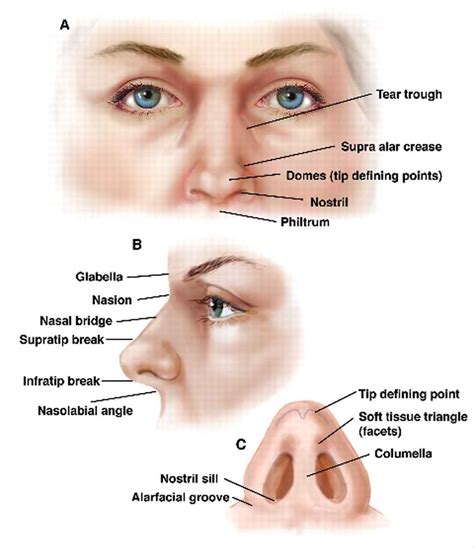
To effectively create the illusion of a smaller nose, it's helpful to understand its basic anatomy and how certain techniques can alter its perceived size. The key parts of the nose that influence its appearance include:
- Nasal Bridge: The upper part of the nose connecting to the forehead. A narrower or more defined bridge can make the nose appear smaller.
- Nasal Tip: The lower part of the nose, which varies in shape and size. A well-contoured tip can significantly influence how large or small the nose appears.
- Nostrils: The openings at the bottom of the nose. Wider nostrils can make the nose appear larger, while narrower nostrils contribute to a smaller look.
- Columella: The tissue separating the nostrils. Its shape can affect the overall appearance of the nose.
- Alar Base: The outer edges of the nostrils. A broader alar base can make the nose look wider, while a slimmer base enhances the appearance of a smaller nose.
- Proportions: The size of each part of the nose in relation to your face plays a big role in its overall look. A balanced structure creates harmony among your features.
Understanding these features allows for the strategic use of contouring and highlighting to create shadows and visual depth, thereby making the nose appear smaller. Illusion techniques, such as the precise placement of makeup, leverage these anatomical points to alter the perceived size and shape of the nose.
Non-Makeup Techniques to Alter Nose Appearance
While makeup is a popular method for creating the illusion of a smaller nose, several non-makeup strategies can also be employed. These methods focus on drawing attention away from the nose or creating a more balanced facial appearance.
Hair Styling
Big, curly hair will draw more attention than a big nose. Another thing to consider is which way you part your hair. If you part your hair off to the side, you are drawing the eye away from the nose. Certain hairstyles draw the focus inward, towards the center of your face. For example, large bangs that cover up your eyes will prevent people from making eye contact with you. Since they can't look at your eyes, they will look at the next closest feature: your nose.
Eyebrows
Having strong, well-shaped eyebrows can help to draw attention away from your nose, while thin, wispy eyebrows may cause your nose to look bigger. Shape your brows carefully without removing too many hairs.
Accessories
Try wearing some earrings or a necklace, such as a pair of long, wide chandelier earrings or a long, chunky necklace. The sparkle will draw attention away from your nose. You can also try wearing a hat.
Eyewear
If you wear glasses, skip the small, thin frames and go for the larger ones.
Makeup Techniques for a Slimmer Nose Appearance
Contouring is a popular makeup technique that uses different shades to give the illusion of a slimmer nose. This technique requires the strategic use of darker and lighter shades of makeup to create shadows and highlights.
Tools and Products
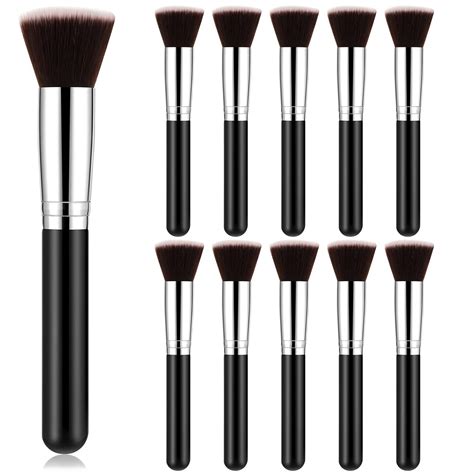
You will need some brushes to apply the makeup. If you are using a powder-based makeup, choose a soft-bristled brush. If you are using a cream-based makeup, choose a brush with stiffer bristles. An angled brush to apply the shadow and highlighter, and a soft, blending brush to blend the two colors together, are essential. You can use powder or cream-based makeup, but many people find powder easier to blend and work with. You can use special contouring and highlight makeup, or you can use matte eye shadow. For the shadow, choose a color that is two to three shades darker than your natural skin tone.
Consider your skin undertone. Some people will have a warmer/yellow-tinted undertone, while others will have a cooler/pink-tinted undertone. When choosing your highlighting and contouring shadows, try to find something that also matches the undertone of your skin.
A primer will help minimize any pores, and the foundation will give the contouring makeup something to grip onto. Make sure that the foundation matches your face exactly. Wait until the foundation is dry to the touch before you start contouring.
Contouring Process
Use an angled brush to draw a thin line down the center of your nose. Try not to make the line too thick, or your nose will look wider than it actually is. Start at the top of your nose and continue down to the tip. Set aside the angled brush and pick up the blending brush (or sponge). Gently run the brush down the center of your nose, to either side of the highlight.
Highlighting helps to lift the face up, drawing focus to these points. Use a clean, angled brush to draw the shadow from the inner corners of your eyes down towards the tip. Start by drawing the shadow down either side of your nose. Then, extend the shadow under the tip of your nose, just above the nostrils. Be sure to blend the "bottom" shadow up towards the tip of your nose.
Begin by drawing the shadow from the inner corners of your eyes down towards the tip of your nose. Curve both lines under the tip to form a small "U" or downward arrow shape. Try not to make it too pointy, or your nose will look unnatural.
Crooked noses can sometimes appear large, even if they are small to begin with. Draw the shadows down either side of your nose. Start at the inner corners of your eyes and end just at the tip. Run it down the sides of your nose, right between the highlight and shadow. This will soften any harsh lines. Next, feather the shadow towards your face. This will set the contouring makeup and prevent it from shifting. It will also help soak up any excess oil. Try to use a translucent powder, or one that matches your skin tone. Avoid using anything with shimmer, or your nose will look oily.
Professional and Surgical Options
For those seeking more permanent or significant changes, professional and surgical options are available. These range from non-surgical injections to traditional rhinoplasty.
Non-Surgical Rhinoplasty (Liquid Rhinoplasty)
Nonsurgical rhinoplasty methods usually involve the use of hyaluronic acid dermal fillers. The injected filler can even out smaller irregularities such as bumps and asymmetries. Also known as liquid rhinoplasty, this procedure can help improve the appearance of your nose with injectable filler treatments. Nose and facial contouring with dermal fillers is a popular option for people who want to make changes to the appearance of their face but are not ready or able to commit to surgery. Non-surgical rhinoplasty, or a liquid rhinoplasty, typically takes between 30-60 minutes to complete. Dermal fillers are typically painless, with most patients reporting only mild discomfort during treatment. Because this is a minimally invasive treatment, you can resume most of your daily activities right away. While you may experience mild side effects, including swelling, bruising, and redness, they should dissipate on their own within a few days. You can expect immediate changes following your non-surgical rhinoplasty and will notice subtle changes as the filler settles and the swelling and redness subsides. Unlike traditional rhinoplasty, non-surgical rhinoplasty results are not permanent. However, maintenance treatments can extend the life of your results for as long as you want. Non-surgical nose slimming methods present little to no safety concerns.
If youâre considering more lasting changes without surgery, think about these nonsurgical options: Dermal Fillers: Injectable fillers can reshape certain areas of the nose for a noninvasive way to achieve a smaller look. Always seek qualified professionals for this procedure. Botox: Injections in specific areas can create subtle adjustments to your nose's appearance.
Rhinoplasty (Surgical Nose Job)
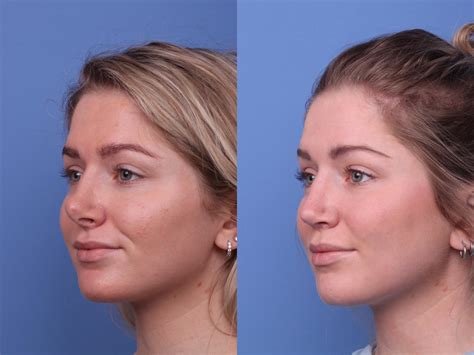
If you want a permanent way to make your nose smaller, you can invest in rhinoplasty. The operation usually takes one to two hours and is completed by a plastic surgeon under general or local anesthesia. Like with all other surgeries, rhinoplasty comes with certain risks. Patients usually can go home the same day, although sometimes they are required to stay at the hospital overnight. During this recovery process, you may also experience bruising, puffiness, and swelling around your nose and eyes. It will look like a large pad or bandage. A doctor may prescribe you some medication to help with the swelling and pain. Plastic surgery is usually without scarring, but if you are narrowing large nostrils, you may end up with small scars at the base of your nose. Sometimes, blood vessels may burst in your nose. This will result in tiny, red specks on your nose.
If you are considering a surgical intervention to make your nose smaller, you may have heard of a method called a rhinoplasty. A cosmetic surgeon will consult with you about the shape youâd like your nose to have. Then youâll be put under general anesthesia while your surgeon removes cartilage and tissue to reconstruct your nose. Nose reshaping surgeries are more common than you might think. More than 200,000 of these surgeries are performed in the United States every year. Itâs the third most popular kind of cosmetic surgery nationwide, according to the American Society of Plastic Surgeons. These surgeries are not typically covered by insurance.
Traditional rhinoplasty is not for everyone. Because of the cost and the need for time off work and an extensive recovery period, many people end up exploring non-surgical options. There are many reasons that surgery could not be the right choice for you. Fortunately, that does not mean that you cannot achieve your aesthetic goals. Non-surgical rhinoplasty simply cannot do what rhinoplasty does. Where traditional rhinoplasty can change the physical structure of your nose, non-surgical rhinoplasty has to work off your existing facial structure to create the appearance of a more balanced, slimmer, symmetrical nose. Non-surgical rhinoplasty offers you the freedom to change your mind and embrace your natural beauty. Aesthetic preferences change over time, which means that the âidealâ look youâre hoping to achieve today might not be what you want in 10, 20, or 30 years. Not only are dermal fillers far more affordable and far less invasive than surgery, they are only temporary.
If you're looking for a permanent solution, rhinoplasty may be suitable. This procedure reshapes the nose to achieve desired proportions. Consult with an experienced plastic surgeon or ENT specialist to discuss potential risks and expected outcomes.
Things to Avoid
It's important to be wary of unproven home remedies and potentially dangerous practices. The internet is quick to the rescue, offering multiple remedies, videos, and tutorials, promising to reduce the size of your nose naturally with exercise, toothpaste, ice, and other home practices. Some say that applying a paste of garlic extract, toothpaste, apple cider vinegar, ginger powder, or other anti-inflammatory ingredients will get rid of a bump in your nose. This wonât work, either. There are people who swear that doing certain facial exercises and holding certain expressions can make your nose look smaller. But itâs collagen that gives your face its shape, and your nose is made of cartilage â not muscle or fat. Toning or strengthening certain face muscles wonât make a visible difference in how large your nose appears to be. There are even DIY injection products and facial molds that you can use to try reshaping the bones in your nose. These products are not approved by the Food and Drug Administration. Evidence to suggest that any of these remedies work is severely lacking. Using an unproven home remedy to actually make your nose smaller is unlikely to work.
No, toothpaste wonât make your nose smaller. Thereâs no science behind this trend. Nose shapers donât permanently change your nose shape. Some people say they help the nose look straighter for a short time, but thereâs no proven long-term effect. No, ice wonât shrink your nose permanently. Yes, you can make it look smaller using makeup. No, you canât change your nose size through exercise or weight loss. Rhinoplasty surgery is the only permanent method. Be wary of sketchy home remedies like apple cider vinegar and DIY injections.
Self-Acceptance and Confidence
"I am really cute but I have a big nose and I get laughed at." "I'm a teenager who gets made fun of for my nose." Your face may possibly continue to change as you get older, especially as your weight fluctuates. Don't flare your nostrils. If you are really distressed about your nose, try to identify what you like about your nose. The advice in this section is based on the lived experiences of wikiHow readers like you. If you're still under 18, remember that your face is going to grow and change over time. You may not like your nose now, but you may learn that it complements your face perfectly as you grow older! Remember, beauty comes from the inside! Doing plastic surgery can be dangerous and come with many complications.
A large or pronounced nose can be valued as a sign of beauty and distinction. In fact, the lauded and legendary beauty Cleopatra had a nose that was so long and large that people are still talking about it. But some people see having a prominent nose as an unwanted feature.
Did you know that having a smaller nose can really highlight your facial features and boost your confidence? Itâs true! A smaller nose can draw attention to your eyes and smile.