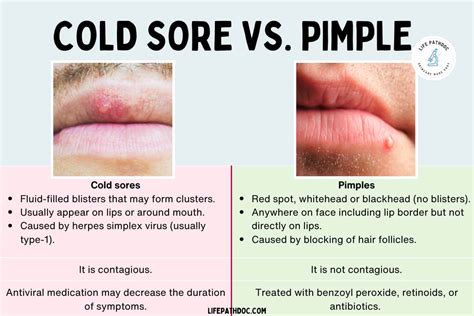
It's a common experience to notice a painful bump or a small blister near your lips and wonder if it's a cold sore or a lip pimple. Many people confuse the two because both can lead to redness, swelling, and discomfort around the mouth. Differentiating between a cold sore and a pimple is crucial for faster symptom management and preventing future occurrences.
Cold Sores vs. Lip Pimples: Key Differences
Cold sores, also known as fever blisters, are caused by the Herpes Simplex Virus Type 1 (HSV-1). These are highly contagious and typically appear on or around the lips. In contrast, lip pimples result from blocked pores or hair follicles due to excess oil, dirt, or bacteria. A pimple on the lip or a bump on the lip forms when oil glands at the lip's border become obstructed.
The herpes simplex virus (HSV-1) affects a significant portion of the global adult population, though many remain asymptomatic. The virus spreads through close contact, such as kissing, sharing utensils, razors, towels, or via oral sex, even when no sores are visible, as the virus can shed asymptomatically. Lip pimples, on the other hand, develop from clogged pores or hair follicles at the lip border. This clogging is often due to excess sebum (oil), dead skin cells, bacteria (like Propionibacterium acnes), or accumulated dirt.
Common Triggers and Causes of Lip Pimples
Several factors can contribute to the development of pimples on or around the lips. These include:
- Hormonal Fluctuations: Hormonal shifts, common during puberty, menstrual cycles, pregnancy, or periods of stress, can lead to overactive oil glands, explaining why acne often appears around the mouth and chin in adults.
- Irritation from Skincare and Dental Products: Harsh ingredients found in some toothpastes (e.g., sodium lauryl sulfate) or mouthwashes, particularly those containing fluoride, can irritate the sensitive skin around the lips and lead to breakouts.
- Lip Products and Makeup: Heavy lip products, including certain lipsticks, lip glosses, or lip balms, especially those with pore-clogging ingredients, can trap oil, bacteria, or dead skin cells, contributing to pimples.
- Poor Hygiene and Residue: Inadequate cleansing of the lip area can allow dirt, food residue, and bacteria to accumulate, blocking pores.
- Lip Biting or Chewing Habits: These habits can irritate the skin and introduce bacteria, potentially leading to inflammation and pimples.
- Stress: Stress can increase the production of hormones like cortisol, which can lead to increased oil production and exacerbate acne.
- Sweat: Sweat, especially after exercise, can mix with oil and bacteria on the skin, contributing to clogged pores.
- Diet: Certain foods, such as those high in sugar, dairy, or refined carbohydrates, may exacerbate acne flare-ups for some individuals.
- Underlying Skin Conditions: Conditions like perioral dermatitis, which resembles acne, can cause small, red, bumpy rashes around the mouth and chin.
The skin around the lips is particularly sensitive due to a high concentration of nerve endings and its thinner nature, which can make lip pimples feel more painful than those on other parts of the face.
Distinguishing Lip Pimples from Other Conditions
It's important to differentiate lip pimples from other conditions that may present similarly:
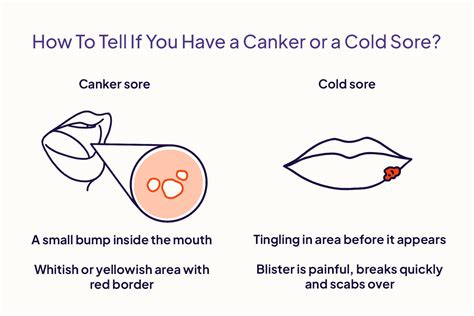
- Cold Sores (Herpes): These typically begin with a tingling or burning sensation and develop into fluid-filled blisters that may cluster together. They are caused by the herpes simplex virus.
- Aphthae (Canker Sores): These are small, often painful lesions that appear on the inside of the mouth or on the soft tissues, sometimes accompanied by a burning or tingling sensation. They are not contagious and can be caused by minor injuries, nutritional deficiencies, stress, or certain foods.
- Hand, Foot, and Mouth Disease (HFMD): This viral infection can cause red spots in the mouth that turn into painful sores, along with a rash on the hands and feet. It is common in young children.
- Oral Thrush (Candidiasis): This is a yeast infection that can cause white patches in the mouth, redness, and cracks in the corners of the mouth.
- Fordyce Granules: These are small, painless, white or yellowish bumps that are enlarged sebaceous glands and are not contagious.
- Mucocele: These are mucus-filled cysts that typically form on the lower lip or inside the mouth, often after an injury or due to salivary gland blockage.
- Perioral Dermatitis: This inflammatory skin condition causes a rash of small, red, bumpy lesions around the mouth and chin, sometimes mistaken for acne.
- Lip Contouring Reactions: Lumps appearing after lip filler procedures can be due to swelling, bruising, or a reaction to the filler itself.
Home Treatments and Prevention Strategies
For typical lip pimples, several at-home treatments and preventive measures can be effective:
At-Home Treatments:
- Over-the-Counter (OTC) Treatments: Products containing benzoyl peroxide can help kill acne-causing bacteria and reduce inflammation. Look for cleansers, lotions, or creams. Salicylic acid is another effective ingredient that helps unclog pores and dry out pimples.
- Warm and Cold Compresses: Applying ice or a cold compress for 10-15 minutes can help reduce pain and swelling. A warm compress can increase blood flow to the area and aid healing. A heating compress can also help draw out pus if the pimple is infected.
- Gentle Cleansing: Wash the lip area gently twice daily with a mild, fragrance-free cleanser. Avoid harsh scrubbing.
- Avoid Picking or Popping: Never touch or pick at bumps. Popping can worsen inflammation, push bacteria deeper into the skin, lead to infection, or cause scarring. If a whitehead is present and easily extractable with minimal pressure after a warm compress, it may be gently managed.
- Hydration and Diet: Drink plenty of water and maintain a nutritious, balanced diet rich in vitamins and minerals.
- Natural Remedies (Use with Caution): While some natural remedies like tea tree oil (antibacterial, anti-inflammatory) and aloe vera (soothing, anti-inflammatory) are suggested, scientific evidence for their effectiveness on lip pimples is limited, and they can sometimes cause irritation. Proceed with caution and consider patch testing.
Preventive Measures:
- Consistent Skincare Routine: Cleanse your face gently twice daily, paying attention to the area around your lips. Consider a gentle exfoliating cleanser.
- Choose Appropriate Lip Products: Opt for non-comedogenic, oil-free lip balms, lipsticks, and makeup labeled "non-pore-clogging" to avoid trapping oil and bacteria. Look for hypoallergenic and fragrance-free options.
- Avoid Irritants: Be mindful of ingredients in toothpaste and lip products that might irritate your skin.
- Sun Protection: Use a broad-spectrum SPF 30+ lip balm daily, especially before outdoor activities, as sun exposure can be a trigger.
- Maintain Good Hygiene: Avoid touching your face with unwashed hands. Clean makeup brushes and applicators regularly.
- Manage Stress: Incorporate stress-reducing activities into your routine.
- Remove Makeup: Always remove makeup thoroughly before going to bed.
- Avoid Sharing Personal Items: Do not share lip balm, utensils, or towels, especially if you are prone to cold sores.
When to Seek Professional Medical Advice
While most lip pimples resolve on their own within a couple of weeks, it's advisable to consult a healthcare professional or dermatologist in the following situations:
- Persistent or Worsening Breakouts: If pimples regularly reappear, are numerous, or do not improve with at-home treatments after 4-8 weeks.
- Severe Pain or Swelling: If the pimple is extremely painful, significantly swollen, or shows signs of infection (e.g., increased redness, warmth, pus).
- Uncertain Diagnosis: If you are unsure whether the bump is a pimple, cold sore, or another condition.
- Recurring Issues: If you frequently experience lip pimples, a dermatologist can help identify underlying causes and recommend prescription treatments.
A healthcare provider may prescribe topical or oral medications, such as antibiotics, retinoids, or hormonal therapies, depending on the diagnosis. In some cases, procedures like laser therapy, chemical peels, or professional extraction might be recommended for stubborn or severe acne.