Understanding the recovery process after lip filler injections is crucial for a confident and prepared experience, whether you are a first-timer or a seasoned recipient. While the procedure itself is quick and minimally painful, the healing period involves normal stages of swelling and bruising. This guide provides a detailed look at what to expect, how to care for your lips, and what to do if you have concerns.
Most patients experience temporary swelling and mild bruising following lip filler injections, which typically resolve within 1 to 2 weeks. The texture and feel of your lips can vary slightly depending on the specific product used, such as JUVÉDERM®, the RHA® Collection, or Restylane®. These variations are due to differences in the filler's formula, including its hydration level and degree of crosslinking. For instance, more hydrophilic fillers like JUVÉDERM® Ultra XC attract water, potentially leading to more initial fullness, while fillers like the RHA Collection are formulated for greater elasticity to mimic natural lip movement. These differences do not alter the recovery timeline but can influence how your lips feel during healing and how the final results settle.
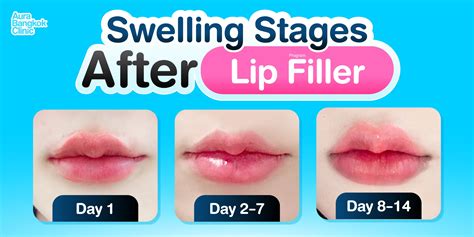
Lip Filler Swelling Stages: A Day-by-Day Breakdown
Day 1: Immediately After Treatment
You will likely notice immediate swelling, tightness, and possibly some redness. Your lips may appear fuller than anticipated, which is a temporary effect. Cold compresses can help minimize swelling, but avoid applying direct pressure to the lips.
Day 2: Peak Swelling
Swelling typically peaks on the second day. Your lips might feel firm or uneven, and any bruising after lip filler is also most noticeable at this stage. This is considered a normal part of the healing process.
Days 3 to 4: Improvement Begins
Swelling and bruising will start to subside. The shape of your lips will gradually become more defined, and the sensation of being overfilled will lessen.
Days 5 to 7: Settling In
By the end of the week, most swelling should be gone, and your lips will feel softer and more natural. If you notice small lip filler bumps, gentle massaging of the area may help, but it is always advisable to consult with your provider first.
Week 2 and Beyond: Final Results
Residual swelling after lip filler may persist in some individuals, but by the two-week mark, your final results should be visible. This is an opportune time to assess your satisfaction with the outcome or to discuss a follow-up appointment for refinements if needed.
After Lip Filler: Essential Care Tips
To aid in recovery and minimize discomfort, several aftercare practices are recommended:
- Stay Hydrated: Drink plenty of water to support healing and reduce fluid retention. Aim for 8 to 10 glasses of water daily.
- Avoid Alcohol and Salty Foods: Refrain from consuming alcohol or salty foods immediately after treatment, as these can contribute to swelling and fluid retention.
- Postpone Strenuous Activity: Avoid intense exercise and heavy lifting for at least 24 to 48 hours to prevent increasing blood flow to the treated area, which can worsen swelling and bruising. Light activities like walking are generally acceptable.
- Skip Lip Makeup: For the first day, avoid wearing makeup on your lips to reduce the risk of infection.
- Sleep with Head Elevated: To help reduce swelling after your lip filler appointment, sleep with your head propped up on an extra pillow or two. Avoid sleeping on your stomach to prevent pressure on your face.
- Do Not Touch or Press Lips Unnecessarily: Avoid touching or pressing on your lips to prevent disturbing the filler's placement and to minimize swelling.
- Avoid Heat and Steam: Steer clear of saunas, steam rooms, hot tubs, and excessively hot showers for at least 48 hours, as heat can increase inflammation.
- Avoid Dental Work: To minimize the risk of infection, avoid any dental work for two weeks before or after filler injections.
- Use Cold Compresses: Apply a cold compress wrapped in a soft cloth to your lips for about 10 minutes at a time, with 10-minute breaks in between, especially during the first 24 to 48 hours. This helps constrict blood vessels and reduce inflammation and bruising.
- Pain Management: If you experience pain or discomfort, acetaminophen (Tylenol) is generally recommended as it does not thin the blood. Avoid NSAIDs like ibuprofen, Advil, or Aleve, as they can increase bruising and swelling.
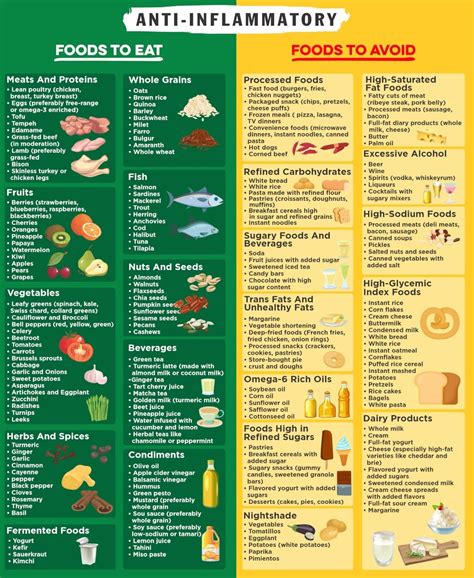
How Your Diet Can Speed Up Lip Filler Recovery
Your diet plays a significant role in post-lip filler recovery. Certain foods can help calm swelling, while others may exacerbate it. Prioritizing hydration and anti-inflammatory foods can make a noticeable difference.
Foods That Help
- Fresh Pineapple: Rich in bromelain, an enzyme known for its anti-inflammatory and bruising-reducing properties.
- Berries: Loaded with antioxidants that support the body's healing process.
- Water-Rich Fruits and Vegetables: Contribute to overall hydration and nutrient intake.
Foods to Avoid
- Salty Snacks: Foods high in sodium, such as chips, processed meals, and fast food, encourage water retention.
- Very Hot or Spicy Foods: These can increase blood flow to the area and potentially make swelling more noticeable.
- Alcohol: Acts as a vasodilator, increasing blood flow and potentially worsening swelling and bruising. Avoid for at least 24 to 48 hours.
Understanding Swelling: Normal vs. Abnormal
It is important to distinguish between normal post-injection swelling and signs that may indicate a complication. Normal swelling can include tenderness, mild bruising, firmness, and temporary unevenness.
When to Contact Your Provider
Seek immediate medical attention if you experience any of the following:
- Severe Pain: Intense, throbbing pain that does not improve with recommended pain relievers.
- Blisters or Pustules: The formation of blisters on or around the lips.
- Unusual Skin Discoloration: White or blotchy patches, especially away from the injection sites, which could indicate a vascular occlusion.
- Prolonged Asymmetry: Significant unevenness that persists beyond two weeks.
- Lumps that Don't Improve: Large, obvious, hard, or painful lumps that do not resolve after a few days.
- Signs of Infection: Fever, pus, or increasing redness and warmth.
Expert Daily Face Lymphatic Drainage Routine
Frequently Asked Questions About Lip Filler Swelling
What factors influence lip filler swelling?
Swelling can vary based on skin sensitivity, the type and volume of filler used, the injection technique, and adherence to aftercare instructions. Some studies indicate that up to 30% of patients may experience moderate to severe swelling, peaking within 48 hours.
How much swelling is normal?
Most patients experience a 20-30% enlargement of their lips immediately after injections. Swelling typically resolves within 5 to 7 days, with final results becoming visible within 2 weeks. The worst swelling is often experienced on the first day, particularly in the morning.
How does the filler type affect swelling?
Hyaluronic acid fillers are hydrophilic, meaning they attract water, which can contribute to initial swelling. Thicker formulations may sometimes extend the duration of swelling.
When is swelling a sign of complications?
Swelling that lasts beyond 7 days, is accompanied by severe pain, discoloration, or signs of infection, should prompt a call to your physician immediately.
What helps reduce swelling quickly?
Applying cold compresses, drinking plenty of water, sleeping with your head elevated, and avoiding alcohol, salt, and strenuous exercise for the first 48 hours are key strategies. Consistent aftercare can shorten recovery time significantly.
When will my lips feel soft and natural again?
For the first few days, your lips may feel firm and slightly swollen. This initial firmness and puffiness usually fade within the first week. It typically takes about two to four weeks for the hyaluronic acid to fully integrate with your lip tissue, at which point your lips will feel soft and natural. Gentle massage, if advised by your provider, can also help.
What pain medication is safe to take after fillers?
Acetaminophen (Tylenol) is generally the safest option for post-treatment tenderness. It is important to avoid blood-thinning pain relievers like ibuprofen, Advil, or Aleve for at least 24 to 48 hours, as they can worsen bruising and swelling.
Is it normal for one side of my lips to be more swollen?
Yes, it is common for one side to appear more swollen than the other, due to variations in product placement or individual healing responses. This asymmetry typically resolves on its own as the swelling subsides over the first week or two.