Spray foam is a highly effective insulation material, but it can quickly turn a simple DIY job into a sticky predicament. Its rapid expansion and hardening properties, due to the chemical reaction of isocyanates with moisture in the air, can lead to it adhering firmly to skin. Fresh spray foam initially feels like a soft glue, but once cured, it forms a layer akin to thin plastic that is difficult to remove. While no single chemical will instantly dissolve hardened foam, a combination of techniques and patience can help you manage this sticky situation.
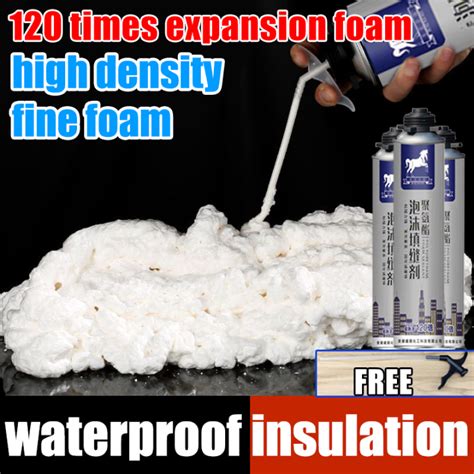
Understanding Spray Foam Adhesion
The key to spray foam's stubbornness lies in its chemical composition. Isocyanates are the primary components responsible for the strong bonding when they encounter moisture. This reaction causes the foam to expand rapidly and harden, creating a durable insulating barrier. Freshly applied foam is manageable, but once it begins to cure, it becomes significantly more challenging to remove from surfaces, including skin.
Removing Fresh (Uncured) Spray Foam
The easiest time to deal with spray foam is when it's still wet or uncured. At this stage, the goal is to lift off as much of the foam as possible without spreading it further. Gentle dabbing with a paper towel or an old rag is recommended. Avoid rubbing, as this can push the foam into the skin and make removal more difficult. For uncured foam, solvents like acetone can be very effective. Apply it to a cloth and gently wipe the affected area. After using a solvent, it's advisable to follow up with a moisturizing agent to counteract any drying effects on the skin.
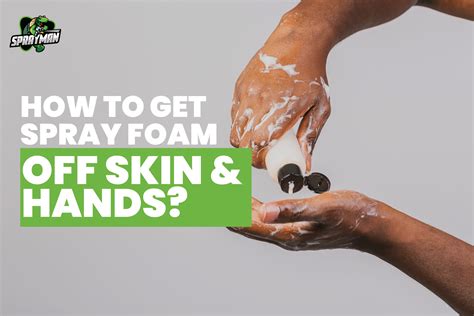
Methods for Fresh Foam Removal:
- Use a paper towel or old rag to lightly press and lift the bulk of the fresh foam. Do not smear or rub.
- Apply acetone to a cloth and gently wipe away uncured foam.
Removing Cured (Dried) Spray Foam
When spray foam has dried and hardened, the removal process becomes more involved and requires more time and patience. The hardened foam acts like a thin layer of plastic, and aggressive scrubbing can irritate or damage the skin. It's important to approach this with a gentler, more persistent method.
Soaking and Gentle Abrasion:
One of the most effective methods for cured foam involves soaking the affected skin. Warm, soapy water can help soften the foam, making it more pliable. Soaking for 10-20 minutes is often recommended. After soaking, a gentle abrasive can be used. Think of this process as exfoliating rather than grinding. Products like olive oil, petroleum jelly, aloe gel, or a thick hand cream can be applied and gently rubbed in. Allow these emollients to sit on the skin, then repeat the rubbing process. While it may seem slow, this method is less likely to cause skin damage compared to aggressive scrubbing.
Alternative Methods for Cured Foam:
- Warm, soapy water soak: Immerse hands for 10-20 minutes to soften the foam.
- Oil-based emollients: Apply petroleum jelly, aloe gel, olive oil, or thick hand cream. Rub gently, allow to sit, and repeat.
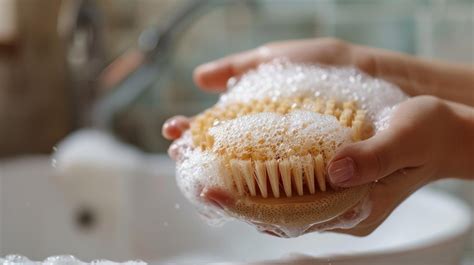
- Soft-bristled scrub brush: Use with soap to gently scrub away softened foam.
- Pumice stone: Wet a pumice stone and gently rub it over the foam-covered areas. Use caution to avoid excessive pressure, which can irritate or tear the skin. This method is best for thicker foam deposits.
- Acetone soak: For stubborn, dried foam, a brief soak in acetone (a few minutes) can be effective. However, use this sparingly and follow up with moisturizing.
- Barrier creams and gloves: If you anticipate working with spray foam, wearing gloves and applying barrier creams beforehand is the best preventative measure.
Patience and Prevention
It's crucial to understand that removing cured spray foam often takes time. Many individuals expect immediate results, but the hardened foam requires a patient approach. Aggressive attempts to remove it quickly can lead to raw or irritated skin. The best strategy is often prevention. Wearing appropriate protective gear, such as gloves and eye protection, is highly recommended by manufacturers. If you can't get to a spill immediately, or if the foam has already dried, don't panic. Remember that wet foam is significantly easier to remove than dried foam.
Preventative Measures:
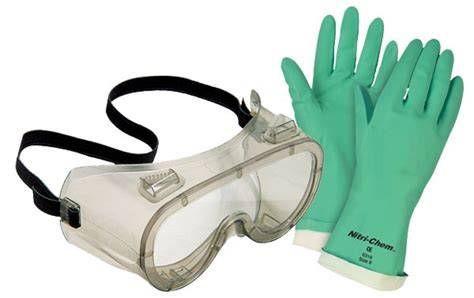
- Always wear gloves and goggles when working with spray foam.
- Apply barrier creams to exposed skin before starting.
- Clean up any spills or drips immediately while the foam is still wet.
When to Seek Professional Help
For most common situations, spray foam on skin can be managed at home. However, it's important to be aware of potential irritations. Isocyanates, a component of spray foam, can cause irritation to the skin, eyes, and respiratory system in susceptible individuals. If you experience severe irritation or have difficulty removing the foam, consider seeking professional advice. Alternatively, for large-scale insulation projects, hiring professionals is a way to avoid the hassle and potential risks associated with DIY spray foam application.