As women approach menopause, a significant life stage marked by hormonal shifts, they may experience a variety of physiological changes. While fatigue and hot flashes are commonly discussed, skin issues, including acne, are also prevalent and can be distressing. Perimenopausal acne shares many similarities with acne experienced during puberty, primarily stemming from hormonal imbalances.
The Hormonal Rollercoaster of Perimenopause and Its Effect on Skin
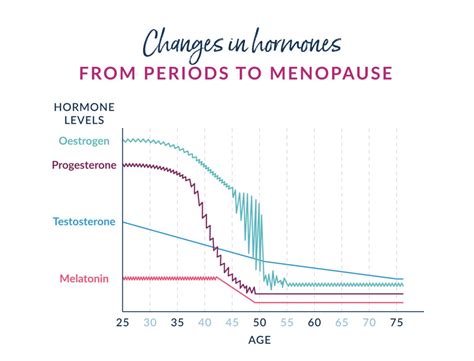
During perimenopause, the years leading up to menopause, women's hormone levels begin to fluctuate significantly. Estrogen and progesterone levels rise and fall before eventually declining. Crucially, testosterone levels do not drop as dramatically. This creates a state of "relative androgen dominance," where the influence of male sex hormones becomes more pronounced on the skin. This hormonal shift can lead to increased sebum (oil) production, clogged pores, and subsequent breakouts.
Estrogen plays a vital role in maintaining skin health by stimulating the production of collagen and natural oils, contributing to smooth and hydrated skin. As estrogen levels decline during perimenopause, the skin's ability to renew itself slows down. This reduced skin turnover means that dead skin cells, oil, and bacteria can become trapped, further contributing to clogged pores and acne.
Beyond direct hormonal effects, other factors associated with perimenopause can exacerbate acne. Increased stress levels, often linked to life changes during midlife, can elevate cortisol. High cortisol levels contribute to inflammation and increased oil production, which can manifest on the skin as breakouts. Disrupted sleep patterns, common during this phase, also raise stress hormones and hinder the skin's natural repair processes.
The skin can also react to changes in skincare routines. As skin becomes drier and loses collagen, some women may switch to heavier creams or "anti-aging" products. Unfortunately, some of these products can be comedogenic, meaning they clog pores and worsen acne. While scientific evidence linking thicker creams directly to breakouts is still developing, this is a commonly observed phenomenon in clinical practice.
The timing of these breakouts can vary. Many women experience perimenopausal acne just before their period, similar to premenstrual breakouts in younger years. However, some may notice blemishes appearing around ovulation or after their cycle ends, likely related to temporary shifts in hormone levels that can briefly increase oil production and inflammation.
Understanding the Science Behind Menopausal Acne
Menopause is scientifically defined as 12 consecutive months without a menstrual cycle. This transition is characterized by a steep decline in estrogen. Estrogen receptors are abundant throughout the body, including in the skin. The decrease in estrogen contributes to a dramatic reduction in dermal collagen and an increase in elastin degeneration, leading to reduced skin laxity, wrinkling, and impaired barrier function. This compromised skin barrier can make the skin more susceptible to inflammation, a key factor in acne development.
The hormonal shift during menopause creates a state of "relative androgen dominance." As estrogen levels fall precipitously after ovulation ceases, the effects of testosterone become more pronounced. This relative excess of androgens is not only linked to midlife breakouts but can also contribute to unwanted facial hair growth.
The skin responds to these hormonal changes in two primary ways:
- Increased Oil Production: The skin produces more oil (sebum).
- Slower Cellular Turnover: The rate at which old skin cells are shed decreases.
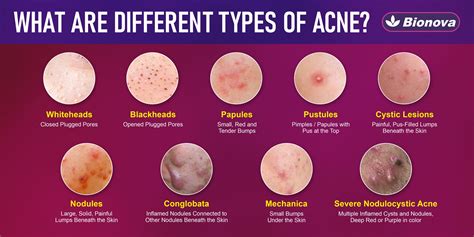
These factors combine to block pores with dead skin cells and excess sebum, leading to inflammation and breakouts. While similar to teenage acne, menopausal acne often presents differently, typically appearing deeper, more cystic, and more painful, predominantly along the jawline, chin, and lower face - an area known as the "U-zone."
Factors That Can Worsen Menopausal Acne
While hormonal changes lay the groundwork for midlife breakouts, several other factors can exacerbate the condition:
- Stress and Cortisol: Chronic stress elevates cortisol levels, increasing inflammation and oil production.
- Sleep Disruption: Poor sleep, often due to night sweats, raises stress hormones and impairs overnight skin repair.
- Dietary Factors: High-glycemic foods (refined sugars and carbohydrates) and certain dairy products have been linked to acne flares in some individuals.
- Skincare Pitfalls: Over-scrubbing or using harsh skincare products can damage the skin barrier, making acne more likely, especially on thinner, mature skin.
- UV Radiation: Sun exposure can damage the skin and potentially worsen acne.
- Obesity: Excess body weight can be linked to menopausal acne through complex metabolic relationships, potentially triggering hormonal imbalances that favor androgens.
- Genetics: A predisposition to adult acne can be inherited.
Treatment Strategies for Perimenopausal and Menopausal Acne
Managing perimenopausal and menopausal acne requires a multi-faceted approach that addresses hormonal shifts, skin sensitivity, and lifestyle factors. While teenage acne treatments may be too harsh for mature skin, several effective strategies can be employed.
Gentle Skincare Practices
A revised daily skincare routine is crucial:
- Gentle Cleansing: Wash your face once or twice daily with a mild, non-drying cleanser. For acne-prone skin, a cleanser containing salicylic acid can help unclog pores. Avoid harsh soaps that can strip the skin of its natural oils.
- Moisturizing: Apply a non-comedogenic moisturizer after cleansing to counteract dryness and support the skin barrier. Look for moisturizers containing hyaluronic acid, glycerin, dimethicone, and sodium pyrrolidone carboxylic acid.
- Sunscreen: Daily use of sunscreen is essential, especially as menopausal skin may become more sensitive to the sun.
- Avoid Oil-Based Cosmetics: Opt for oil-free, mineral-based, or water-based makeup to prevent pore-clogging. Ensure old cosmetics are replaced and makeup brushes are regularly cleaned.
- Resist Picking and Popping: Avoid the temptation to pick or pop blemishes, as this can worsen inflammation, lead to scarring, and spread bacteria.
Topical Treatments
Several topical treatments can be effective:
- Salicylic Acid: Helps to exfoliate the skin and unclog pores.
- Benzoyl Peroxide: An antimicrobial agent that kills acne-causing bacteria. It can be introduced as a wash or cream, starting with lower concentrations to minimize irritation.
- Azelaic Acid: Offers anti-inflammatory and antibacterial properties, and can also help with pigmentation.
- Topical Retinoids: Derivatives of Vitamin A (e.g., adapalene, tretinoin) that promote cell turnover, unclog pores, reduce inflammation, and can improve fine lines and wrinkles. These should be introduced gradually to build tolerance, and always used with sunscreen.
- Dapsone: An anti-inflammatory and antimicrobial agent that is generally well-tolerated.
Prescription and Medical Treatments
For more persistent or severe acne, medical interventions may be necessary:
- Oral Medications:
- Hormone Replacement Therapy (HRT): For some women, HRT can help rebalance hormone levels, leading to improved acne. However, it's important to discuss potential risks and benefits with a doctor, especially for those with a history of certain cancers.
- Oral Contraceptives: Low-dose estrogen and progestin pills can help reduce acne by lowering circulating testosterone activity.
- Spironolactone: An oral medication that can effectively treat inflammatory acne and may also help with other menopausal symptoms like hirsutism.
- Oral Antibiotics: May be prescribed for acute flares to reduce inflammation and bacteria, but are typically used for short durations due to concerns about antibiotic resistance.
- Isotretinoin: A powerful oral retinoid reserved for severe, recalcitrant acne that has not responded to other treatments. It significantly reduces sebum production and inflammation but requires close medical supervision due to potential side effects.
- Cosmetic Interventions: Procedures like chemical peels (using salicylic acid, glycolic acid) and laser treatments can help improve acne lesions and scarring. For deep cystic acne, procedures such as cyst aspirations or steroid injections may provide rapid relief.
Menopause Explained Clearly (Includes HRT & Perimenopause)
Natural and Holistic Approaches
Many women seek natural and holistic solutions for perimenopausal acne, often turning to Traditional Chinese Medicine (TCM).
Traditional Chinese Medicine (TCM)
TCM views the body as an interconnected system. Instead of solely targeting acne, TCM aims to restore balance through:
- Herbal Formulas: Specific herbal combinations (e.g., Liu Wei Di Huang Wan, Jia Wei Xiao Yao San) are used to nourish the body, support hormonal balance, improve gut health, and calm inflammation.
- Acupuncture: Can help reduce stress, calm inflammation, and support the body's natural healing processes, indirectly benefiting skin health.
- Diet and Lifestyle Recommendations: Emphasizes a balanced diet low in sweets and processed foods, regular exercise, good sleep, and stress management techniques.
TCM treatments focus on cooling, calming, and rebalancing the skin from within, rather than simply drying the surface. It is crucial to consult with a licensed TCM practitioner for personalized herbal formulas and treatment plans.
Topical Herbal Support
Gentle herbal skincare products can complement internal treatments by calming and balancing the skin's surface. These may include soothing pastes, light creams, cleansers, tinctures for even skin tone, and nourishing moisturizers formulated with herbs like honeysuckle and Centella asiatica (Gotu Kola).
Diet and Lifestyle Adjustments
Key lifestyle factors that support clearer skin include:
- Balanced Diet: Rich in colorful fruits and vegetables, and low in refined sugars, processed foods, and inflammatory foods.
- Hydration: Adequate water intake is essential for skin health.
- Stress Management: Techniques like mindfulness, meditation, or yoga can help lower cortisol levels.
- Quality Sleep: Aim for 7-9 hours of restful sleep per night.
- Regular Exercise: Promotes circulation and reduces stress.
- Hygiene: Regularly washing pillowcases and sheets can help prevent bacterial buildup.
When to See a Doctor
If perimenopausal or menopausal acne does not improve with at-home care and lifestyle adjustments, it is important to consult a healthcare provider or dermatologist. They can assess your specific situation, recommend appropriate prescription treatments, and rule out any underlying medical conditions. If you are experiencing significant emotional distress or confidence issues related to your acne, seeking professional help is a vital step towards clearer skin and improved well-being.
tags: #how #to #treat #perimenopause #acne