The South Asian secret to long, shiny hair has long been out. Hair-oiling, or "deep conditioning" treatments, are now a staple at hair salons, studios, spas, and labs across the world. In the process, however, the Ayurvedic practice of hair-oiling has suffered the same fate as turmeric-in that it’s become somewhat of a trend for time-honored ingredients used in Asian culture to be imported, mass-manufactured, and pushed as the West’s shiny new superfood or Elixir of Youth from the East. The more Ayurvedic-sounding, the better.
But Ayurveda and the free-market are inherently at odds. The way hair-oils are currently manufactured, mixed, advertised, and used simply cannot lead to the many benefits of hair-oiling guaranteed in Ayurveda, now proven by science and accepted by the beauty industry at large. There’s a method, prescribed to achieve those benefits, that needs to be followed. This is not to say one must sit and extract neem oil from leaves on the weekend for the sake of healthier hair, but the solution isn’t to put a processed mixture of coconut, lavender, and jojoba oil that came in a shiny bottle on one’s scalp either.
So, here’s a guide to hair-oiling, following the science of the Ayurvedic practice as closely as possible, should you decide to incorporate it into your self-care routine.
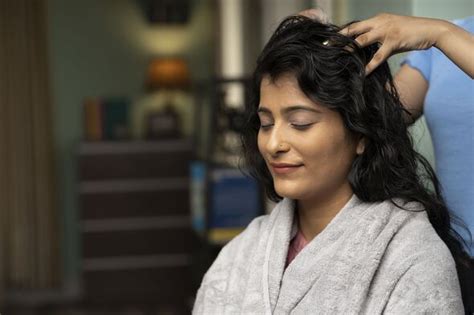
A Crash Course in Hair Oiling
Understanding Ayurveda and Doshas
According to Ayurveda, there are three doshas (life-giving energies) that flow through all humans-Vata, Pitta, and Kapha. An excess of any one of them throws the entire body’s functioning off-balance, but its consequences can especially be seen by the way it affects our hair.
Hair Oiling as a Rejuvenation Tool
The scalp, in Ayurveda, is composed of multiple energy-relieving points called marmas. Hair-oiling, then, is seen as a rejuvenation tool-oiling the scalp helps extract any excess doshas that accumulate in the head, the seat of all decision-making, thinking, and stress, thereby restoring balance.
Resolving Hair Concerns
Once the balance is restored, the negative effects of a dosha being in excess that we all deal with, such as premature greying, hair fall, coarse hair, and dandruff, automatically resolve themselves.
Additional Ayurvedic Benefits
Apart from rejuvenation, hair-oiling according to Ayurveda has the added advantages of strengthening hair roots and nourishing hair shafts, promoting new hair growth, softening and conditioning the hair, protecting the hair from the harsh effects of the sun, and enhancing blood circulation in the head and neck area, relieving the “tightness” felt from stress.
When and How Should You Oil Your Hair?
Frequency of Oiling
Ayurveda suggests oiling your hair once a week, and hence, washing your hair once a week. In case your hair is exceptionally dry or has a lot of dandruff, you can benefit from hair-oiling twice or thrice a week, but no more.
The Application Method
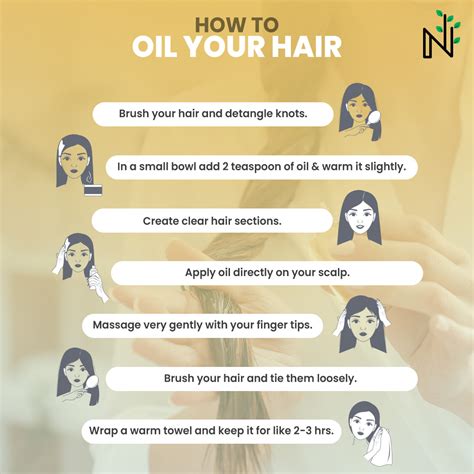
The best, easy-to-achieve method of hair-oiling is: take lukewarm (not hot) oil in a small bowl, dip fingertips in the oil while parting the hair at the top of the head with the other hand, and apply the oil to the scalp. Then, part the hair in an adjacent location and apply oil, and repeat this process until you have oiled your entire head. Massage only a little oil along the length of the hair. (Too much can heavily coat the hair in oil leading to dust and dirt sticking to it.) In the end, lightly massage the scalp with small, circular motions to stimulate blood circulation and to encourage the oil to absorb, thereby cooling down the head and releasing the excess doshas.
Overnight Treatment
Ayurveda suggests doing this process at night, leaving the oil in overnight, and washing it the next morning with lukewarm water with a gentle shampoo. A head massage with oil an hour before sleeping can also improve the quality of the sleep that follows.
Oiling on Non-Wash Days
Oiling hair after having a bath is not advisable for the same reason that it might attract dust when you step out in the sun, but if you’re at home, no more than a teaspoon of oil directly applied to the roots should do the trick.
Targeting Headaches
To get rid of a headache, massaging the scalp with oil around 6 PM is ideal since headaches are associated with an excess of Vata dosha, which is considered to dominate the human body at this time of the day. This can be followed by a wash after an hour of letting the oil soak in, or left overnight for a wash the following morning.
What Oils Work Well on Hair?
Identifying Your Hair Type by Dosha
The first step to selecting hair oil is understanding what kind of hair you have, according to your Ayurvedic constitution.
- People with thin, prone to split-ends and frizzy hair have Vata-dominant hair.
- Those with fine hair prone to thinning (hair loss) or premature greying have Pitta-dominant hair.
- While those with thick or oily hair have Kapha-dominant hair.
Choosing the Right Oil
The second step is hunting down the most organic form of the right oil money and access allow. Chemicals in mass-manufactured oils and even deep-conditioning ‘hair masks’ are violently at odds with the oils Ayurveda suggests; the original texts prescribing hand-plucked hair-friendly herbs, crushed fresh and applied immediately. Since that’s close to impossible in our busy lives in this urbanized world, look for chemical-free, 100% virgin oils. They may cost a pretty penny, but accounting for the hair damage you’ll prevent and how long the oil will last (you’re not supposed to use more than three-four tablespoons in one go), it’s worth it.
Specific Oil Recommendations
- If you have Vata-dominant hair, almond oil or sesame oil can be very nourishing for the hair and helps reduce stiffness in the scalp.
- If you are Pitta-dominant, coconut oil is the ideal choice due to coconut’s pitta-pacifying properties; argan oil is a close-enough substitute.
- If you are Kapha-dominant, sesame or olive oil are your best bet.
- If it’s dandruff you’re battling, a bi-weekly oil-and-wash session with neem oil can do wonders.

The Traditional Indian Hair Care Routine
Hair Oiling: A Time-Tested Ritual
Hair oiling is one of the oldest and most commonly practiced hair care rituals in Indian households. Passed down through generations, it is considered a time-tested method for nourishing and maintaining hair health. However, with changing lifestyles and advances in dermatological science, the question arises-does this age-old tradition still hold value today? Or has it become a modern mistake?
Cultural Significance and Bonding
Hair oiling has been deeply rooted in Indian culture. Traditionally, oils such as coconut, almond, sesame, and amla have been used to strengthen the hair, provide shine, and improve scalp health. Mothers and grandmothers would spend time massaging oil into their children’s scalps-a practice not only considered beneficial for hair but also a bonding experience.
Modern Perspectives and Scientific Backing
According to leading dermatologists, modern hair care should be backed by science. Hair growth is determined by internal health, hormones, and genetics. Hair oiling can still be beneficial when done correctly and in moderation. A gentle massage with natural oils once or twice a week may help improve scalp blood circulation and reduce dryness. It can also help to detangle the hair and add temporary shine. However, it should not be considered a miracle solution. Its benefits depend on individual scalp types, hair texture, and how it is incorporated into a broader hair care routine. For those suffering from chronic or severe hair problems, consulting a certified dermatologist is the recommended approach.
Key Steps in the Indian Hair Care Routine for Growth
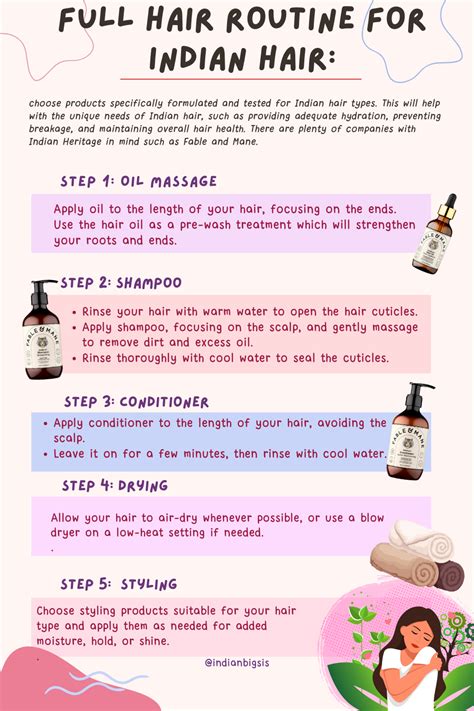
The method has three main parts:
- Shampoo
- Condition
- Oil
Step 1: Shampoo
If you’ve been oiling your hair every day until wash day, your hair will be protected from hygral fatigue (the swelling caused by water entering the hair shaft) with the accumulated oil. For first-timers, apply a lot of oil overnight before shampooing (a pre-poo). Afterwards, you don’t need to repeat this step every time. Use any shampoo of choice as long as it’s pH balanced, moisturizing, and sulfate-free. Traditionally, Soapnut, Amla, and Shikakai powder were used. Tip: Dilute your shampoo in a bottle with a nozzle to make it easier to cleanse your scalp without stripping. You can even wash your hair in braids or twists.
Optional: After rinsing, do an apple cider vinegar rinse (3 parts water, 1 part ACV). This helps close the cuticle, fight dandruff, and reduce itching. For excessive shedding, try a brewed black or green tea rinse.
Step 2: Conditioning
Conditioning provides slip for detangling and coats the hair with moisturizing ingredients. You can use a rinse-out conditioner or go for deep conditioning. Tip: Condition only the hair, not the scalp. Keep your scalp clear and healthy.
Step 3: Oiling
After washing and conditioning, oiling seals in strength and shine. Coconut, amla, or a castor/coconut mix are all strong options. Divide your hair into four sections. Massage oil into the scalp and along the hair shaft. Use only a small amount-if your hair feels greasy, you’ve used too much. Bend forward while massaging to increase blood flow to the scalp. Then braid or twist your hair to stretch it while drying. Everyday afterwards, apply a little oil to your edges or ends. You don’t need to oil your scalp daily unless you’re treating an issue. With consistency, you’ll notice less breakage, shedding, and dryness.
Indian Herbal Hair Treatments
Indian women have traditionally used herbs like:
- Shikakai - a natural cleanser
- Amla - strengthens and nourishes
- Reetha (Soapnut) - gentle scalp cleanser
- Henna - strengthens strands and reduces porosity
These treatments are often combined with oiling to maximize benefits.
Benefits of Indian Scalp Oiling
Scalp oiling doesn’t just coat the hair; it improves circulation, nourishes follicles, and protects against dryness and environmental damage. Benefits include:
- Reduced breakage and shedding
- Stronger roots
- Shinier, more manageable hair
- Better moisture retention
How Do Indians Grow Their Hair Long?
By combining consistent oiling with herbal washes, protective styling, and gentle handling, Indian women have passed down regimens that help retain length for generations. The Indian Oiling Method works just as well for curly, kinky, and natural hair types if you adapt it with the right oils and consistency. Remember, oils are not moisturizers-water is. So while doing this regimen, always remember to moisturize with a water-based leave-in before sealing with oil.