Protecting infants and toddlers from the sun's harmful ultraviolet (UV) radiation is a crucial aspect of parental care. This protection is vital not only for preventing immediate discomfort like sunburns but also for reducing the risk of skin cancer later in life. Young children's skin is more sensitive to sun exposure due to lower levels of melanin, the pigment that provides natural sun protection.
Sun Protection for Infants Under 6 Months
For babies younger than 6 months, the primary recommendation from organizations like the American Academy of Pediatrics (AAP) and the Food and Drug Administration (FDA) is to keep them out of direct sunlight. The safest approach involves seeking natural shade, such as under trees, or utilizing protective barriers.
Recommended Protective Measures for Young Infants:
- Protective Clothing: Dress babies in lightweight, long-sleeved clothing that covers their arms and legs. Clothing with an Ultraviolet Protection Factor (UPF) can offer enhanced protection.
- Wide-Brimmed Hats: A hat with a brim that shades the face, neck, and ears is essential. This helps babies get accustomed to wearing headwear and provides comprehensive coverage.
- Stroller Covers: When on the go, use a stroller equipped with a sun-protective cover to create a shaded environment.
- Timing Outdoor Activities: Schedule walks and outdoor excursions for times before 10 AM and after 4 PM to avoid the strongest midday sun.
- Car Window Shields: Use removable mesh window shields in the car to block sunlight from reaching the infant.
It is imperative to never allow a baby to get a sunburn. While sunscreen is not recommended for infants under 6 months, if sun exposure is unavoidable, a small amount of mineral sunscreen on exposed skin is considered a better option than a sunburn.
Introducing Sunscreen for Babies 6 Months and Older
Once a baby reaches 6 months of age, sunscreen can be introduced as an additional layer of protection. However, it's important to remember that other sun protection methods, such as clothing and seeking shade, remain vital. Sunscreen is particularly useful for exposed areas like the hands and face as children become more active outdoors.
Choosing the Right Sunscreen:
When selecting a sunscreen for infants and children, several factors should be considered:
- Broad-Spectrum Protection: Opt for sunscreens labeled "broad-spectrum," which protect against both UVA and UVB rays.
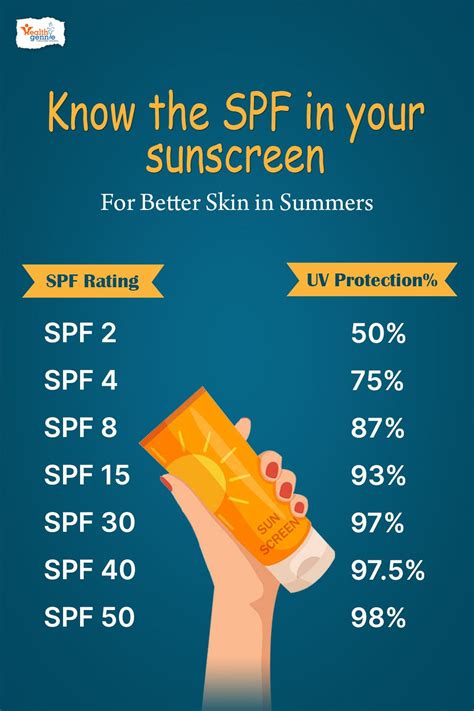
- SPF Level: A Sun Protection Factor (SPF) of 30 or higher is recommended. SPF 30 blocks approximately 97% of UVA and UVB rays. While higher SPFs offer slightly more protection, the increase is incremental, and SPF 100 does not offer double the protection of SPF 50.
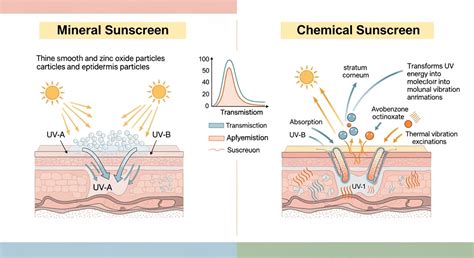
- Mineral Sunscreens: Sunscreens containing zinc oxide and titanium dioxide are generally preferred for babies and individuals with sensitive skin. These ingredients work by sitting on the surface of the skin and physically blocking UV rays, making them less likely to cause reactions. They do not need to be absorbed into the skin to be effective.
- Water Resistance: Look for "water-resistant" sunscreens if your child will be swimming or sweating. However, remember that no sunscreen is completely waterproof, and reapplication is always necessary.
How to Apply Sunscreen to Your Baby's Skin | Parents
Types of Sunscreens:
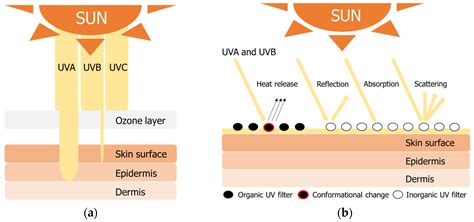
- Mineral Sunscreens (Physical): These use zinc oxide and/or titanium dioxide to form a physical barrier that deflects UV rays. They are often recommended for sensitive skin and young children. While some can leave a white cast, modern formulations are often more transparent, and tinted options are available.
- Chemical Sunscreens: These absorb UV rays and convert them into heat. Active ingredients may include avobenzone, oxybenzone, and others. While effective, some preliminary research suggests certain chemical ingredients can be absorbed into the bloodstream, warranting further investigation. For babies and those with sensitive skin, mineral-based formulas are generally preferred.
Risks and Misconceptions About Sunscreen
Despite the clear benefits of sun protection, some parents express concerns about the safety of sunscreen ingredients. Dr. Nicole Harter, a pediatric dermatologist, addresses these common misconceptions:
Common Concerns and Clarifications:
- Toxicity and Irritation: The vast majority of sunscreens are very safe when used appropriately. The risk of sunburn is far greater than any potential harm from sunscreen.
- Application Amount: The SPF rating on a sunscreen bottle is based on the application of a thick layer (about two millimeters). In reality, most people apply much less, which can reduce the actual level of protection achieved.
- Overestimation of Protection: Parents sometimes overestimate the protection offered by sunscreen, clothing, or shade alone. A combination of methods provides the best defense.
Concerns Regarding Spray Sunscreens:
Spray sunscreens, while convenient, are often discouraged by experts due to several potential issues:
- Ingredient Type: Sprays are frequently chemical-based.
- Inhalation Risk: There is a risk of inhaling the sunscreen particles, which can be problematic for individuals with asthma or other respiratory conditions.
- Uneven Application: Sprays can lead to missed spots if not thoroughly rubbed in, providing a false sense of security.
- Flammability: Some spray sunscreens contain flammable ingredients.
If spray sunscreen is used, it is recommended to spray it onto your hands first and then apply it to the skin like a lotion, avoiding the face and mouth area. Awareness of wind direction is also important to prevent inhalation.
Absorption of Chemical Sunscreen Ingredients:
A study published in the Journal of the American Medical Association (JAMA) indicated that ingredients in some chemical sunscreens can be absorbed into the bloodstream. While this highlights the need for further research, the FDA advises continued use of sunscreen, as the risks of sun exposure are well-established. Mineral sunscreens have not been shown to be absorbed into the bloodstream.
Effective Sunscreen Application and Habits
Proper application and reapplication are key to maximizing sunscreen effectiveness.
Application Tips:
- Timing: Apply sunscreen at least 10 to 15 minutes before going outside to allow it to form a protective layer.
- Amount: Apply generously to all exposed skin.
- Reapplication: Reapply sunscreen every two hours, or more frequently (every 40-80 minutes) if swimming or sweating. Sunscreens are not waterproof and will wear off after water exposure.
Developing Lifelong Sun-Safe Habits:
Instilling good sun protection habits early in life is crucial for long-term skin health. Children who grow up practicing a routine of sunscreen application, wearing hats, and seeking shade are more likely to continue these behaviors into adulthood, significantly reducing their risk of skin cancer and premature aging.
- Lead by Example: Parents who consistently use sun protection demonstrate its importance to their children.
- Make it Routine: Treat sunscreen application like brushing teeth - a daily habit.
- Empower Children: Allow older children to choose their preferred sunscreen texture or scent to increase their willingness to use it.
- Convenience: Keep sunscreen readily accessible, such as in a bathroom or car, for easy application and touch-ups.
The Importance of Consistent Sun Protection
Sun exposure is cumulative, and each sunburn during childhood increases the lifetime risk of melanoma. While a tan may appear healthy, it is a sign of skin damage. Consistent sun protection from an early age is one of the most powerful ways to safeguard a child's future skin health.