While commonly recognized as a kitchen staple for deodorizing and leavening baked goods, baking soda, also known as sodium bicarbonate, offers a surprising range of benefits for personal care and health. Its versatile properties make it a valuable addition to your routine, extending beyond the pantry and into your medicine cabinet.
Beyond the Kitchen: Everyday Uses of Baking Soda
Baking soda's unique chemical composition allows it to neutralize odors, gently exfoliate, and balance pH levels, making it effective for a variety of applications.
Oral Hygiene
- Green Teeth Cleaner: Baking soda effectively removes plaque, a sticky film of bacteria that can harden into tartar and lead to gum disease. By dipping a wet toothbrush into baking soda powder and brushing as usual, you can achieve a physically cleaner mouth. However, it's important to note that baking soda lacks the fluoride necessary to protect against tooth decay and cavities. Therefore, it is advisable to continue brushing with regular fluoride toothpaste to ensure comprehensive dental protection.
- Inexpensive Mouthwash: For persistent bad breath, a simple solution of a teaspoon of baking soda mixed in half a glass of water can be swished around the mouth. Unlike conventional mouthwashes that merely mask odors with a minty scent, baking soda actively banishes unpleasant smells by neutralizing odor-causing molecules.
Body Deodorant
Many unpleasant odors stem from acidic or basic molecules. Baking soda neutralizes these odor molecules, bringing them to a more neutral, odor-free state. This principle is why it's used in industrial applications like sewage plants and feedlots. On a personal level, dusting a small amount under your arms can act as an effective body deodorant. For those who prefer to avoid powdery residue on clothing, deodorants containing baking soda as a primary ingredient are readily available.
Skin Soothing and Pain Relief
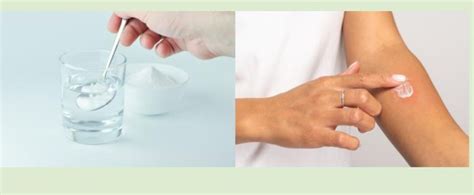
Baking soda can provide relief from minor skin irritations, itching, and redness caused by insect bites or contact with plants like poison ivy. A paste made from 3 parts baking soda to 1 part water can be applied to the affected area for 20 minutes before washing off. Alternatively, a bath with half a cup of baking soda added to the water can offer soothing benefits.
Furthermore, sodium bicarbonate may enhance the pain-relieving effects of lidocaine, particularly in epidurals. For sunburn or other minor burns, including windburn, a washcloth soaked in a solution of approximately 4 tablespoons of baking soda per quart of water can be gently dabged onto the affected areas to provide relief.
Digestive Health
Tamp Down Acid Reflux: Baking soda can help combat excess stomach acid that may rise into the throat and mouth. It is available over-the-counter as chewable tablets, or a homemade antacid can be prepared by mixing half a teaspoon of baking soda with 1/2 cup of water. It's crucial to consult a doctor before administering this to children under 6 or if you plan to use it regularly in conjunction with other medications.
Hair and Skin Care
- Facial Scrub: Baking soda's mild abrasiveness makes it a gentle facial cleanser. After washing your face with a mild cleanser, apply a paste of 3 parts baking soda to 1 part water and gently rub in circular motions for a deep clean, followed by rinsing.
- Clarify Your Hair: Adding a teaspoon of baking soda to your regular shampoo can help remove product buildup from hairsprays, gels, conditioners, and other styling products, leaving hair cleaner and potentially easier to style.
- Soften Your Skin: Adding half a cup of baking soda to bathwater can neutralize acids and wash away sweat and oil, leaving skin feeling silky smooth. As a bonus, the tub can be scoured clean with remaining baking soda after drying off.
Household Cleaning
Clean Your Child’s Toys: Baking soda can be used as a safer alternative to harsh chemicals for cleaning children's toys, highchairs, and trays. While it doesn't kill germs on its own, it can be paired with vinegar for a mild disinfectant effect. Thorough rinsing is recommended after cleaning.
Dental Appliances
Freshen Dentures: Soaking dentures, retainers, or mouth guards in a solution of 2 teaspoons of baking soda dissolved in a cup of warm water can help loosen food particles, eliminate odors, and freshen any lingering bad tastes.
Baking Soda and Dandruff: Separating Fact from Fiction
The idea of using baking soda for dandruff stems from its antifungal and exfoliating properties. Dandruff is primarily caused by a scalp fungus called Malassezia Globosa, which feeds on scalp oils. Baking soda is thought to help by exfoliating the scalp and absorbing excess oil and potential germs.
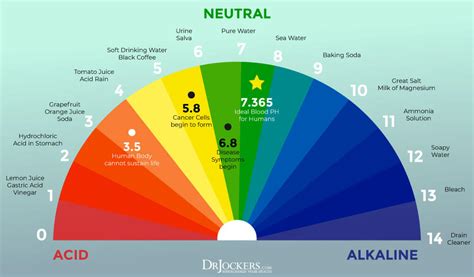
While some studies indicate that baking soda has antifungal properties and can reduce itching and irritation in conditions like psoriasis, these studies were not specifically conducted for dandruff. Furthermore, baking soda is highly alkaline (pH level of 9), whereas the scalp and hair have naturally acidic pH levels (scalp around 5.5, hair around 3.67). This significant pH imbalance can lead to:
- Cuticle damage
- Frizz
- Hair breakage
- Scalp irritation
Short-Term vs. Long-Term Effects
Initially, baking soda might appear beneficial by removing buildup and drying out the scalp. However, over time, its alkaline nature can strip hair of its natural oils, leading to dryness, sensitivity, and reduced resilience of the scalp's natural barrier function.
Distinguishing Baking Soda from Baking Powder
It's important not to confuse baking soda (sodium bicarbonate, naturally alkaline) with baking powder (which contains both sodium bicarbonate and an acid). While both are white powders found in kitchens and used in baking, their chemical properties and activation methods differ. Baking soda requires a liquid and an acid to activate, whereas baking powder is activated by liquid alone.
Effective Dandruff Treatments
For persistent dandruff, medical professionals typically recommend specialized anti-dandruff shampoos containing active ingredients such as:
- Zinc pyrithione (antibacterial and antifungal)
- Coal tar
- Salicylic acid
- Selenium sulfide (antifungal)
- Ketoconazole (antifungal)
Clarifying shampoos can also be used occasionally to remove product buildup and reset scalp health. While DIY treatments like apple cider vinegar, aloe vera, coconut oil, honey, and lemon juice may offer some relief for an itchy scalp due to their antimicrobial or moisturizing properties, baking soda's high pH levels present a significant risk of damaging hair and irritating the skin.
Best Anti-Dandruff Shampoo Explained by Dermatologist | Full Guide + How to Use Correctly |Skinroots
Although anecdotal evidence suggests baking soda might help some individuals with dandruff, there is no scientific proof to support this claim. Clinical evidence points towards potential damage and irritation. If you are considering using baking soda for scalp issues, it is strongly advised to consult with a doctor before starting any new treatment.