In the realm of modern skincare, ancient beauty practices are experiencing a resurgence, and among the most notable is the use of rice water and rice-derived ingredients. Originating from Asia, where women in China, Korea, and Japan have historically relied on rice concoctions for centuries to achieve porcelain-like skin and lustrous hair, rice has now cemented its place in contemporary beauty routines. Scientific analysis supports these traditional beliefs, revealing that components isolated from rice possess significant potential for skincare and cosmetic applications.
A recent scientific report highlights that ingredients derived from rice, including phenolic compounds, betaine, squalene, tricin, and rice bran, exhibit a range of beneficial properties. These properties include being anti-aging, anti-inflammatory, whitening, photoprotective, and moisturizing. The research further indicates that these rice-derived ingredients can offer advantages for various dermatological conditions. For instance, rice bran ash extract is noted for its ability to increase melanin synthesis and provide protection against radiation and skin injury. Additionally, fermented rice bran extract and rice bran broth baths have demonstrated utility in treating atopic dermatitis.
The integration of rice-derived ingredients, such as rice water, into skincare routines can yield noticeable improvements. Users may experience a mattifying effect that refines the appearance of pores, alongside gentle exfoliation. Furthermore, rice water offers an accessible and affordable DIY home treatment, free from artificial chemicals.
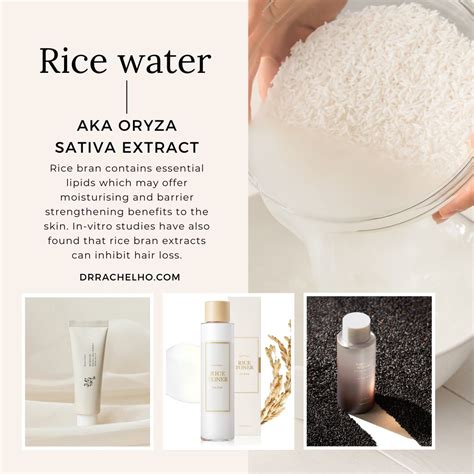
Understanding Rice for Skincare
While the benefits of rice water are widely acknowledged, it's important to consider the type of rice used. Many store-bought rice varieties are polished and refined, potentially diminishing their natural nutrient content. Dermatologists suggest opting for raw, unprocessed rice, such as organic brown rice, to maximize the beneficial compounds. Theoretically, rice fermentation can release a range of vitamins, but this is more effective when using unprocessed rice, as refined varieties are often lacking in essential nutrients that contribute to epidermal benefits.
The Art of Making Rice Water
The appeal of rice water for skin extends to its simplicity of preparation. While specific recipes may vary, the general method involves soaking uncooked rice in cold water and then straining the milky liquid. This water can then be applied as a toner or used in a face mask. A common approach involves rinsing the rice multiple times, soaking it for several hours, and then storing the resulting water in the refrigerator. This prepared rice water can be applied using cotton pads for a gentle exfoliating cleanse.
Rice Water as a Face Mask
Beyond its use as a toner, rice water can be transformed into a DIY sheet mask. Rice water, rice bran, and other rice-derived ingredients have been foundational in Korean skincare for centuries, remaining popular today alongside ingredients like centella, ginseng, and snail mucin. Rice is rich in antioxidants, vitamins, minerals, and other nutrients that contribute to its multiple skin benefits, including brightening and anti-inflammatory properties, making it particularly suitable for acne-prone skin.
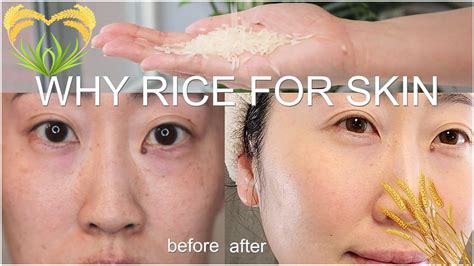
Korean Rice Cleansers: A Modern Staple
Korean skincare routines are renowned for their emphasis on achieving a natural glow through mild yet effective products, and rice face wash perfectly embodies this philosophy. Unlike harsh cleansers that strip the skin of its natural oils, rice face wash offers a gentle yet thorough cleansing action, effectively removing impurities, pollutants, and makeup while preserving the skin's moisture barrier.
Key Benefits of Rice Face Wash
- Gentle Cleansing: Effectively removes impurities without stripping natural oils.
- Skin Brightening: Rich in vitamins and minerals, rice extracts help fade dark spots, even out skin tone, and impart a healthy glow.
- Antioxidant Protection: Contains antioxidants like ferulic acid and vitamin E, which protect the skin from free radicals and environmental damage.
- Moisturizing Properties: Replenishes essential nutrients, leaving the skin soft, plump, and hydrated.
- Soothing Effect: Calms sensitive or irritated skin due to its bioactive components.
The benefits extend to specific skin concerns:
- Enhanced Brightness: Regular use can significantly boost skin brightness, making it a desirable option for those seeking a whitening effect.
- Sebum Control: Helps manage oil production, making it ideal for individuals with oily or combination skin.
- Treatment of Discoloration: Effectively addresses dark spots, acne scars, and uneven skin tone.
- Mild Exfoliation: Many rice face cleansers incorporate finely milled rice particles for gentle exfoliation.
Incorporating Rice Cleansers into Your Routine
Using a rice face wash is straightforward and can be easily integrated into an existing skincare regimen. The typical process involves wetting the face with lukewarm water, massaging a small amount of cleanser into the skin in circular motions to create a rich foam, and then rinsing. This gentle yet effective approach aligns with the Korean skincare principles of nourishment, balance, and long-term benefits.
Understanding the Science Behind Rice Cleansers
The effectiveness of rice water cleansers is supported by scientific principles. Fermented rice water, with its natural pH ranging between 4.5-5.5, closely matches the skin's ideal pH, making it highly compatible even with sensitive skin. Formulators face the challenge of creating effective cleansers that preserve rice water's natural benefits. High-quality formulations utilize gentle cleansing agents derived from sources like coconut oil or amino acids, which maintain the skin's pH balance while efficiently removing impurities. Ingredients such as sodium cocoyl isethionate or cocamidopropyl betaine are indicators of thoughtfully formulated products that protect the skin barrier.
The chemistry involved in a professional-quality rice water cleanser is crucial for optimal skin response. Saponins present in rice water provide natural cleansing properties by breaking water's surface tension, allowing the cleanser to penetrate oil and makeup effectively. Gentle surfactants, calibrated at the correct concentration, lift impurities without stripping the skin, akin to a gentle steam-cleaning process that preserves the skin's delicate ecosystem. Furthermore, the stability of fermented ingredients is maintained through careful manufacturing processes, ensuring the integrity of the rice water's beneficial compounds.
An intriguing aspect of rice water cleansers is their ability to communicate with skin cells. Compounds in fermented rice water, such as short-chain fatty acids, interact with skin cell receptors, encouraging the skin to function optimally. This "biomimetic communication" enhances the skin's performance over time, going beyond mere cleansing.

Product Examples and Innovations
Several Korean brands have embraced rice-based ingredients in their cleansing products. For instance, THE FACE SHOP's Rice Water Bright Light Cleansing Oil comes in rich and light versions, offering a nourishing cleanse. The I’m from Rice Toner, boasting a high concentration of goami rice extract, is known for fading pigmentation and improving skin texture. Beauty of Joseon's Glow Replenishing Rice Milk offers a refreshing toner experience with rice extract and amino acids.
The market also features innovative rice-based cleansers such as the BNB Rice Extract Face Wash, which combines ancient wisdom with modern formulation. The Thank You Farmer Rice Pure Clay Mask to Foam Cleanser acts as a dual-action product, purifying pores as a mask and cleansing as a foam. The Olivarrier Wash All Barrier Relief Cleanser, with its vegan ceramide and slightly acidic pH, fortifies the skin barrier.
Other notable products include:
- Abib Rice Probiotics Overnight Mask Barrier Jelly: For overnight hydration and barrier strengthening.
- Anua’s 7 Rice Ceramide Serum: Provides deep hydration and a fortified skin barrier.
- Beauty of Joseon Radiance Cleansing Balm: Melts impurities while brightening the skin.
- Cosrx Overnight Spa Mask: Deeply hydrates and revitalizes with rice extract.
- Dr.G's Red Blemish Moisture Cleansing Foam: A gentle cleanser using rice water for sensitive or acne-prone skin.
- Goodal Vegan Rice Milk Moisturizing Suncream SPF50+ PA++++: A moisturizing sunscreen with rice milk.
- Haruharu Wonder Black Rice Probiotics Barrier Essence: Strengthens the skin barrier with fermented black rice and rice water.
- Hera Age Away Aesthetic BX Cream: Offers deep hydration and anti-aging benefits with rice water.
- Innisfree Green Barley Gommage Peeling Mask: Refines texture and brightens using barley and rice water.
- Kahi Wrinkle Bounce Core Cream: Targets fine lines and wrinkles with rice-based extracts.
- Laneige's Youth Retinol Perfect Renew Eye Cream for Face: Brightens and smooths with rice water and retinol.
- Manyo's Ultimate All-In-One Sun Lotion: Hydrates and shields skin from UV damage.
- Numbuzin No. 3 Super Glowing Essence Toner: Enhances skin's glow and provides deep hydration.
- PURITO Wonder Releaf Centella Cream: Calms and nourishes sensitive skin.
- Pyunkang Yul Calming Acne Facial Cleanser: Purifies skin without stripping moisture.
- ROUNDLAB 1025 Dokdo Pad: Hydrating exfoliating pads infused with rice water.
- SomeByMi's AHA-BHA-PHA 30Days Miracle Serum: Clears and brightens with rice water and exfoliating acids.
- Sulwhasoo Recharging Serum for Men: Hydrates and revitalizes men's skin.
Future developments in rice water technology include encapsulation methods that create microscopic delivery systems, allowing rice water compounds to remain active even after rinsing. These advancements promise even more impressive results by extending the contact time of beneficial ingredients with the skin. For individuals with extremely oily or acne-prone skin, targeted treatments containing salicylic acid or niacinamide may be recommended as supplementary options alongside rice water cleansers.
Rice-based ingredients are potent and versatile, offering a wide spectrum of skin benefits and serving as a cornerstone in K-beauty. Whether seeking hydration, brightening, anti-aging, or soothing properties, rice-based extracts provide effective solutions for achieving radiant, healthy skin.