The question of "How much does laser lipo cost?" is frequently asked by individuals considering advanced technological treatments for body slimming. The cost of laser lipo can range from $30 to $1,000+ per session, with the total investment depending on the number of sessions required, typically between six and eight. Several factors influence this cost, including the size of the treatment area, the geographic location of the clinic, and the provider's level of experience.
Laser lipo offers a non-invasive approach to targeting stubborn fat areas, eliminating the need for surgery and minimizing downtime. This technique utilizes laser energy to shrink fat cells rather than physically remove them, making it a less traumatic alternative to traditional liposuction. It is most effective for individuals who are close to their ideal weight and aim to refine specific problem areas rather than achieve significant weight loss.
The variation in cost is attributed to several factors, such as the size of the treatment area, the number of sessions needed, the clinic's location, and the practitioner's expertise. It is important to carefully consider the benefits, including minimal downtime and skin tightening, against the potential costs and risks like bruising and swelling.
Dr. Thomas Jeneby, with over 19 years of experience and thousands of body contouring procedures, including laser lipo, emphasizes the importance of making an informed decision. Understanding the specifics of laser lipo and how it compares to other fat removal methods is crucial.
Understanding Laser Lipo
What is Laser Lipo?
Laser lipo, also known as laser liposuction or laser lipolysis, is a contemporary method for fat removal and body contouring that employs laser energy to target and break down fat cells. Unlike traditional liposuction, which physically extracts fat cells through suction, laser lipo liquefies them, facilitating easier removal and reducing trauma to surrounding tissues.
How Laser Lipo Works
During a laser lipo procedure, a small incision is made, and a laser fiber is inserted into the targeted area. The laser energy heats and ruptures the fat cells, converting them into a liquid state. This liquefied fat is then either suctioned out or naturally eliminated by the body over time.
Benefits of Laser Lipo
- Precision Targeting: The laser's precision allows for targeted treatment of specific fat deposits in areas like the abdomen, thighs, arms, and chin.
- Skin Tightening: A significant advantage of laser lipo is its ability to stimulate collagen production, leading to firmer, more youthful-looking skin.
- Minimal Downtime: Most patients can resume their regular activities within a few days, a stark contrast to the longer recovery periods associated with traditional liposuction.
Ideal Candidates for Laser Lipo
Laser lipo is best suited for individuals who are near their ideal weight but struggle with stubborn fat pockets resistant to diet and exercise. It is a body contouring method, not a solution for general weight loss.
Case Study: Heather's Experience
Heather from Advanced Laser Body Care in Chicago notes that many clients observe noticeable results after just a few sessions. She uses the analogy of fat cells being like juicy grapes; the laser beam shrinks their contents, transforming them into raisins. This helps patients visualize how the treatment slims down specific areas.
Cost and Effectiveness of Laser Lipo
Cost and Effectiveness Overview
The cost of laser lipo can vary based on the size of the treatment area and the number of sessions required. Typically, a series of eight sessions might cost around $1,000, but prices can fluctuate depending on the location and the clinic's expertise. In summary, laser lipo offers a less invasive, relatively quick method for body contouring, with added benefits such as skin tightening and minimal downtime. However, it's crucial to weigh these advantages against the associated costs and potential risks.
How Much Does Laser Lipo Cost?
Cost Breakdown by Treatment Area
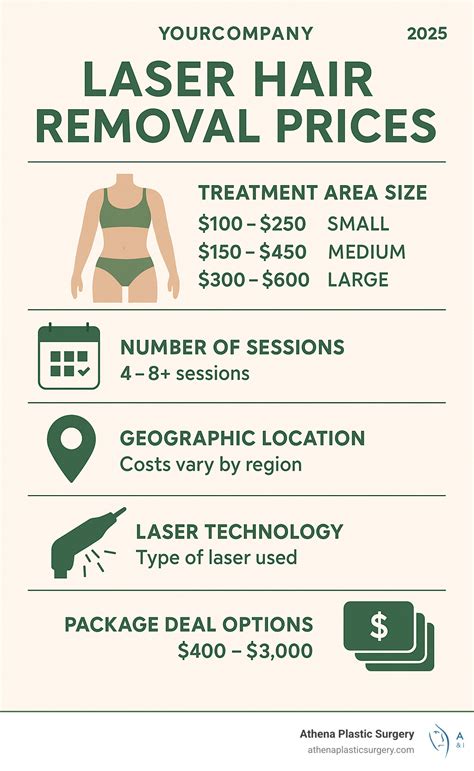
Laser lipo costs can differ significantly depending on the body part being treated. Below is a general price range for various areas:
- Upper Abdomen: $2,500 to $4,500
- Lower Abdomen: $2,500 to $4,500
- Thighs: $2,500 to $4,500 per thigh
- Arms: $2,500 to $4,500 per arm
- Chin: $2,500 to $4,500
Larger areas, such as the abdomen, may incur higher costs due to the greater volume of fat to be addressed. Smaller areas, like the chin, are typically at the lower end of the price spectrum.
Factors Influencing Cost
- Treatment Area Size: Larger areas require more time and effort, thus increasing the cost.
- Number of Sessions: Achieving desired results may necessitate multiple sessions, adding to the overall expense.
- Geographic Location: Costs can vary by region, with procedures in major cities potentially being more expensive than in smaller towns.
- Provider Expertise: Experienced providers may charge more, often reflecting better results and a reduced risk of complications.
Average Costs
On average, laser lipo costs range from $2,500 to $4,500 per area. More complex or extensive procedures can be pricier. For instance, treating both the upper and lower abdomen might cost between $5,000 and $9,000.
For the most accurate estimate, consulting with a qualified provider is recommended. They can assess individual needs and goals, provide a personalized treatment plan, and offer a precise cost estimate.
Comparing Laser Lipo to Other Fat Removal Methods
Laser Lipo vs. CoolSculpting
CoolSculpting is a non-invasive procedure that uses Cryolipolysis to freeze and eliminate fat cells. Unlike laser lipo, CoolSculpting requires no incisions or anesthesia, making it a potentially safer option for those hesitant about surgical procedures. Results typically appear within three to four months, with a 20-25% reduction in fat in the treated area. Generally, CoolSculpting costs between $2,000 and $4,000 for multiple areas, often less than laser lipo.
Laser Lipo vs. Traditional Liposuction
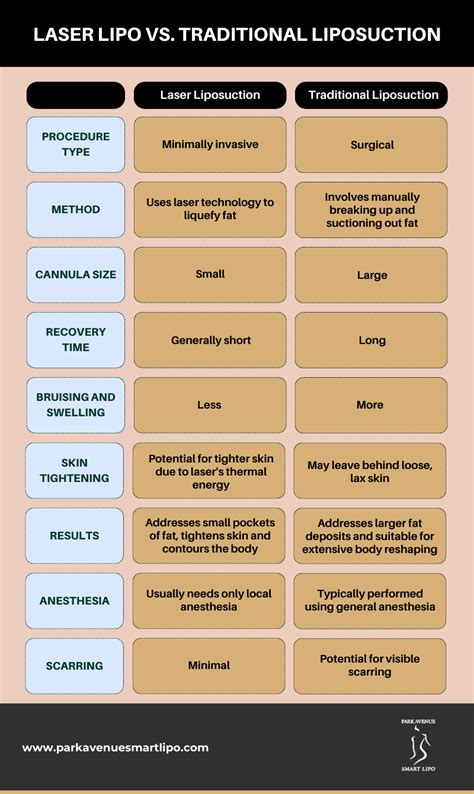
Traditional liposuction is a more invasive procedure involving larger incisions to manually remove fat. While suitable for extensive fat removal, it comes with a longer recovery period and a higher risk of complications. Costs for traditional liposuction generally range from $2,500 to $5,500 per area, potentially higher depending on the procedure's complexity.
Summary of Comparisons
Laser lipo occupies a middle ground, being less invasive than traditional liposuction but more invasive than CoolSculpting. It requires smaller incisions than traditional methods and offers quicker recovery. CoolSculpting and laser lipo are both effective for localized fat reduction, with CoolSculpting often being more convenient due to less downtime. Traditional liposuction may be preferred for removing larger volumes of fat.
Benefits and Risks of Laser Lipo
Benefits
- Permanent Fat Removal: Laser lipo permanently eliminates fat cells from the treated area, meaning they do not return. This makes it an excellent choice for targeting stubborn fat resistant to diet and exercise.
- Skin Tightening: The procedure stimulates collagen production, which helps to firm the treated area, leading to improved skin tightness.
- Minimal Downtime: Unlike traditional liposuction, laser lipo involves minimal downtime, allowing most patients to return to their normal activities within a few days.
- Quick Results: Many patients notice an immediate reduction in fat after the first session. Results continue to improve over the following weeks as the body processes the melted fat, with full results typically visible within 2-4 weeks.
Risks
- Bruising and Swelling: Mild bruising and swelling in the treated area are common and usually resolve within a few days to weeks.
- Infection: As with any procedure involving incisions, there is a risk of infection. Proper aftercare and adherence to the provider's instructions can minimize this risk.
- Scarring: Minor scarring can occur due to the small incisions, but these scars typically fade over time.
- Skin Burns: Since laser lipo uses heat, there is a risk of skin burns. Modern devices include safety features to mitigate this, but awareness is important.
- Other Potential Side Effects: Numbness, tingling, and changes in skin texture are possible but usually temporary. These should be discussed with the provider during the consultation.
Frequently Asked Questions about Laser Lipo Costs
Is Laser Liposuction Worth the Money?
Laser lipo can be a valuable investment for many due to its permanent fat cell removal. However, maintaining a stable weight post-procedure is crucial, as weight gain can lead to the formation of new fat cells in other areas. The long-term benefits are best achieved when combined with a healthy lifestyle.
How Long Do Laser Lipo Results Last?
The results of laser lipo can be long-lasting, provided a stable weight is maintained. The procedure permanently removes fat cells, so the treated areas should remain contoured for many years. However, weight gain can still occur.
How Many Pounds Can You Lose with Laser Lipo?
Laser lipo is a body contouring treatment, not a weight-loss procedure. It aims to reduce fat cells in targeted areas, leading to changes in body measurements rather than significant weight loss. Multiple sessions are often required to achieve desired results, and realistic expectations are essential.
Cellulite Treatments: A Deeper Dive
Cellulite affects a vast majority of women, presenting as dimpling and uneven skin texture when fat deposits push through the connective tissue beneath the skin. While not medically harmful, it can be a cosmetic concern. The market offers numerous treatments, but their effectiveness varies.
Laser Treatments for Cellulite
Minimally invasive laser treatments, such as Cellulaze®, are considered effective for cellulite reduction. This procedure involves inserting a laser fiber under the skin to break down fibrous bands, release trapped fat, and stimulate collagen production. Results can be noticeable after one session and may last 1-2 years. Downtime typically involves 1-2 days of minor swelling or bruising. Costs range from $3,500 to $6,000 per treatment. These treatments are ideal for individuals with moderate to severe cellulite and good skin elasticity.
Cellfina® for Cellulite
Cellfina® is an FDA-approved cellulite treatment that uses a subcision technique with a microblade to break up and loosen the fibrous bands causing dimpling. It is particularly effective for cellulite on the thighs and buttocks. The procedure takes about an hour per 25 dimples treated. Results can last up to 3 years or more, with mild bruising for up to 2 weeks. Costs range from $3,000 to $5,000 per session. Ideal candidates have deep, persistent dimples.
Other Cellulite Treatment Modalities
- Acoustic Wave Therapy (AWT): Uses sound waves to break up fibrous bands and improve blood flow. It's non-invasive, requires multiple sessions (4-6 for visible results), and has no downtime. Costs range from $200 to $500 per session.
- Vacuum-Assisted Precise Tissue Release: Employs small blades to release fibrous bands, allowing the skin to smooth out. Results can last 2-3 years with mild swelling or bruising for a few days. Costs range from $4,000 to $7,000 per treatment.
- Radiofrequency Treatments (e.g., Secret RF): Use heat energy to stimulate collagen, tighten skin, and reduce cellulite appearance. These are non-invasive, require 4-8 sessions with no downtime, and cost $700 to $1000 per session.
- Cryolipolysis (CoolSculpting®): Primarily for fat reduction, it can improve cellulite by reducing the fat layer. It's non-invasive with no downtime, and results appear gradually over 2-3 months. Costs range from $750 to $1,500 per area.
- Topical Creams and Lotions: Contain ingredients like caffeine or retinol for temporary skin tightening and improved blood flow. Effectiveness is temporary, with daily application needed. Costs range from $30 to $150 per product.
- Massage and Lymphatic Drainage: Help reduce fluid retention and improve blood flow, temporarily diminishing cellulite appearance. Requires regular sessions, has no downtime, and costs $100 to $250 per session.
- Diet and Exercise: Reducing overall body fat and toning muscles can minimize cellulite appearance. This is a maintenance strategy rather than a specific treatment.
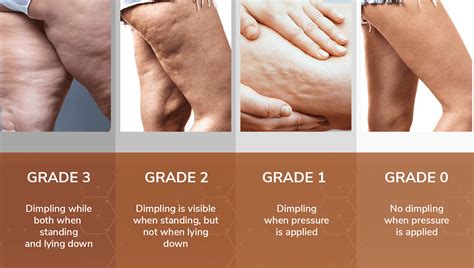
What Causes Cellulite?
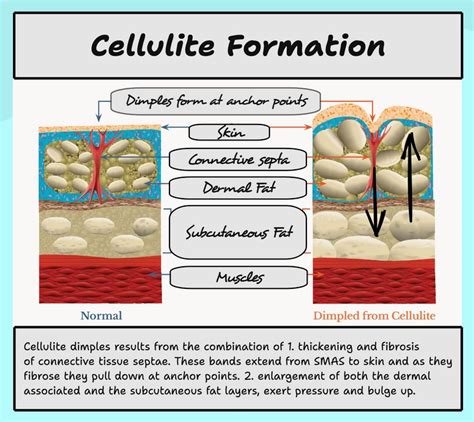
Cellulite formation involves three key factors: a thin dermal layer that doesn't adequately support the underlying fat, enlarged adipose tissue that pushes upwards, and thicker fibrous bands (septa) that attach to the dermis, creating dimples. Secondary factors include altered lymphatic flow and inflammation.
The Truth Behind Cellulite Treatments
Effective cellulite treatment often requires a multimodal approach addressing its various causes. Monotherapy with devices, creams, or injections is generally less effective than combined methods. Creams can serve as adjuncts, best used with deep tissue massage. Devices like RF, lasers, and shockwave therapy can be helpful but are often most effective when combined with surgical procedures or hydrating treatments. Diffuse cellulite is more challenging to treat than focal dimples, requiring remodeling of fibrous bands, dermal thickening, and adipose tissue reduction.
Best Approach to Cellulite Treatment
A logical approach combines modalities targeting cellulite's causes. This can include:
- RF Bipolar & Multipolar Devices: Stimulate collagen in deeper tissues to resist fat extrusion and improve blood/lymphatic flow.
- Surgical Breakage of Fibro Septal Network: Useful for isolated dimples by releasing the bands holding down the skin.
- Hydration Treatments: Stimulate collagen production to support the dermis, using fillers like hyperdilute Poly-L-Lactic Acid or calcium hydroxyapatite.
Which Forms of Cellulite Respond Best?
Localized or focal cellulite, characterized by discrete dimples, is generally easier to treat than diffuse cellulite.
Can Injections Melt Cellulite?
Several injections can treat cellulite:
- QWO: An FDA-approved enzyme that releases fibrous bands, redistributes fat, and stimulates collagen.
- Polymer Injectable (e.g., Sculptra): A skin hydrating treatment that stimulates collagen and thickens the dermis.
- Calcium Hydroxyapatite (e.g., Radiesse): Thickens collagen bundles to support the dermis-fat junction.
Can Lasers Treat Cellulite?
Side-firing lasers, such as Cellulaze (1440 nm wavelength), can treat cellulite by subcising fibrous septae, coagulating fat, and stimulating dermal collagen. However, direct comparative studies showing lasers are superior to other methods are limited.
How Do Hydrating Treatments Treat Cellulite?
Hydrating treatments, including collagen-stimulating ones, can improve cellulite by strengthening the fibro septal network and providing volumetric correction for divots. These treatments often stimulate collagen and can be more cost-effective than hyaluronic acid fillers, typically requiring 2-4 sessions over 2-3 months. Results can last 2-4 years, with costs ranging from $1,900 to $5,990 per area. Combining RF with hydrating treatments can enhance results.
What is Cellfina®?
Cellfina® is an FDA-approved treatment for cellulite, essentially a sharp subcision performed under vacuum. It effectively treats cellulite, with follow-up studies extending over 48 months. The procedure takes 45 to 90 minutes. Downtime can be significant, with bruising lasting 1-3 weeks. It is considered one of the most effective treatments for cellulite, as each dimple is manually addressed. Side effects include bruising and potential hemosiderin staining, which can take months to resolve but can be hastened with pico lasers.
Cellfina Module 1 Animation vf FINAL mp4
What is Venus Legacy & Does It Work?
Venus Legacy is a multi-polar radiofrequency device that combines electromagnetic energy fields with pressure. It works by increasing dermal thickness and modulating microcirculation. Patients typically undergo 5 to 8 treatments spaced 2-4 weeks apart. Treatments are painless and last 20 to 60 minutes.
What is Velashape, & Does It Work?
VelaShape is a non-invasive body contouring treatment for cellulite, FDA-approved for temporary reduction. It uses infrared light, bipolar radiofrequency (RF) energy, suction, and massage. The suction brings tissue closer to the energy source, while massage relaxes fibrous bands. The energy heats the skin, improving collagen production and tightening tissue. VelaShape may be paired with other modalities. Treatment success can be variable, and it is often used as an adjunctive treatment to manual revision for dimpled bands.
What is Shockwave Therapy for Cellulite?
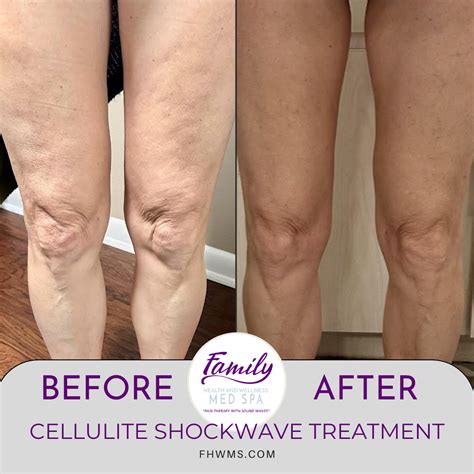
Shock wave therapy (SWT), also known as Acoustic Wave Therapy (AWT), is a non-invasive treatment that uses high-pressure sound waves. While its exact mechanism for cellulite is unclear, proposed actions include cavitation, increased blood flow, and collagen upregulation. Evidence for SWT as monotherapy is limited, and it is often recommended in combination with other cellulite treatments.
Do Cellulite Creams Work?
Some ingredients in cellulite creams, like caffeine and peptides, may offer temporary benefits by modulating blood flow or supporting collagen. However, their effectiveness as monotherapy is marginal. Ingredients like Centella Asiatica may improve blood flow. Jojoba seed oil primarily acts as a moisturizer.
Can HIFU or Micro-focused Ultrasound Treat Cellulite?
HIFU combined with collagen-stimulating treatments like Radiesse has shown promise in supporting the fibro septal network. However, this combination can be costly due to consumable expenses. Prescription-only medicines are often preferred for their cost-effectiveness.
Are Cellulite Treatments Permanent?
Currently, there are no long-term studies beyond 5 years for most cellulite treatments. However, studies on subcision and combination collagen stimulation treatments suggest long remission rates. Physical disruption of fibro septal networks, as with Cellfina®, has shown the longest remission rates to date.
Davin's Viewpoint on Treating Cellulite
Cellulite remains a challenging condition to treat, despite significant research. Understanding its anatomy and physiology allows for more directed treatments based on clinical examination. Manual methods, similar to acne scar treatments, often yield the best results. A logical, analytical approach increases the chances of success.
Conclusion on Laser Cellulite Removal
Laser liposuction can be a worthwhile investment for individuals seeking body contouring and the removal of stubborn fat. Costs typically range from $2,500 to $4,500 per area, influenced by factors such as the treatment area, geographic location, and provider expertise. While the price may seem substantial, the benefits, including permanent fat reduction, skin tightening, and minimal downtime, often outweigh the costs.
It is crucial to be aware of potential risks such as bruising, swelling, infection, and skin burns, although these are generally minimal. Consulting with experienced surgeons who utilize advanced techniques is recommended for optimal results and a smooth recovery process. Various financing options may be available to make the procedure more accessible.