Swimmer's itch, also known as cercarial dermatitis, is a temporary, non-contagious itchy rash that appears on the skin. It is caused by an allergic reaction to microscopic parasites, specifically schistosomes, that infect certain birds and mammals. These parasites spend part of their life cycle in water snails and then are released into fresh or salt water, such as lakes, ponds, and oceans.
While the parasite's preferred host is a specific bird or mammal, it can burrow into the skin of a swimmer upon contact, triggering an allergic reaction that results in a rash.
Causes of Swimmer's Itch
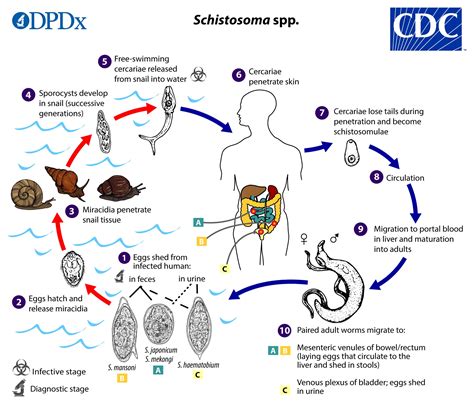
The primary cause of swimmer's itch is the cercariae, a larval form of the schistosome parasite. The life cycle begins when adult parasites lay eggs in the bloodstream of infected animals like ducks, geese, gulls, beavers, muskrats, and raccoons. These eggs are then passed through the animal's waste. If the eggs reach water, they hatch into small, free-swimming microscopic larvae.
These larvae seek out a specific species of snail. Upon finding a snail, they infect it, multiply, and develop further. The infected snails then release a different type of microscopic larvae, known as cercariae, into the water. These cercariae swim to the surface, searching for their intended bird or mammal hosts to continue the lifecycle.
Although humans are not suitable hosts for these parasites, the cercariae can burrow into a swimmer's skin. This burrowing action triggers an allergic reaction, leading to the characteristic itchy rash. The larvae cannot survive in human skin and die shortly after burrowing, but the allergic reaction causes the symptoms.
Where Parasites are Found
Schistosomes and their larvae are commonly found in many lakes, ponds, and coastal waters, particularly during the warm summer months. The larvae tend to congregate near the surface in shallow water along the shores of freshwater bodies and coastal beaches. Cases of swimmer's itch have been reported widely across various regions, including Canada and the northern United States.
The presence of swimmer's itch in a water body depends on several factors, including the availability of snail hosts and infected bird or mammal populations. These conditions can fluctuate, meaning swimmer's itch may not always be a problem even in known infested areas. However, it is impossible to determine how long water may remain unsafe.
Symptoms of Swimmer's Itch
Symptoms of swimmer's itch can vary from mild irritation to a severe, itchy red rash. The severity often depends on the number of larvae that burrow into the skin and an individual's sensitivity to them. Symptoms typically appear within minutes to days after swimming or wading in contaminated water.
Initial Symptoms
- A tingling sensation as the parasite digs into the skin.
- Burning or itching of the skin.
Rash Development
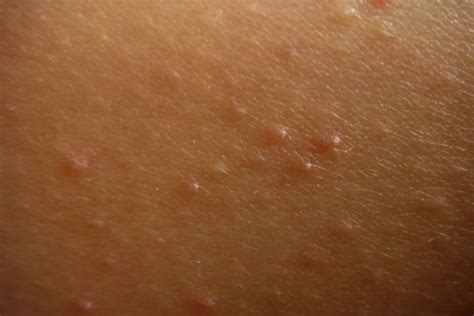
Small, reddish pimples or blisters may appear within 12 hours of exposure. These can develop into larger red rashes. The itching can be intense and may persist for up to a week or more, gradually subsiding over time.
It is important to note that a person's first exposure to infested water may not always result in an itchy rash. However, subsequent exposures can lead to more severe reactions as the body becomes more sensitized to the parasite.
Who is at Risk?
Anyone who swims or wades in water infested with the parasites that cause swimmer's itch is at risk. However, certain groups are more susceptible:
- Young children are more likely to be affected because they tend to spend more time wading and playing in shallow water, where the larvae are more prevalent. Their skin may also be more sensitive.
- Individuals who swim or wade repeatedly in contaminated water are at higher risk of developing more severe symptoms due to increased sensitization.
The larvae are more likely to be present in shallow water near the shoreline, making areas frequented by children a common site for outbreaks.
Prevention of Swimmer's Itch
While it is impossible to entirely avoid swimmer's itch unless one avoids water bodies altogether, several precautions can significantly reduce the risk of exposure:
- Choose swimming spots carefully: Avoid swimming or wading in areas where swimmer's itch is a known problem or where warning signs have been posted. If unsure about the water quality, avoid areas with abundant weed growth, as these may harbor more snails and larvae.
- Use piers or docks: Entering the water via a pier or dock can help reduce exposure, as larvae are typically more concentrated near the shore. Ensure these structures are approved for swimming and avoid diving into unknown waters.
- Rinse after swimming: Rinse exposed skin with clean water immediately after leaving the water.
- Dry off thoroughly: Towel dry your skin as soon as you get out of the water. If possible, shower and dry off right away. While showering may not remove larvae that have already burrowed, it can help wash away any remaining cercariae on the skin's surface.
- Check for warning signs: Be aware of any posted notices at public beaches, lakes, or picnic areas that warn of the potential presence of swimmer's itch.
- Consult local information: Speak with other visitors, local health officers, or park representatives about current water conditions before entering any lake, pond, or beach.
Well-maintained and chlorinated swimming pools generally do not pose a risk for swimmer's itch.
Treatment for Swimmer's Itch
Most cases of swimmer's itch do not require medical attention and will clear up on their own within a few days to two weeks. However, the itching can be very uncomfortable. While there is no specific medical treatment to eliminate the parasite, several remedies can provide relief from the symptoms:
- Avoid scratching: Scratching can worsen the rash, cause severe pain and swelling, and potentially lead to secondary bacterial infections.
- Corticosteroid cream: Over-the-counter corticosteroid creams can help reduce itching and inflammation.
- Cool compresses: Applying cool compresses to the affected areas can soothe the skin and alleviate itching.
- Soothing baths: Baths with Epsom salts, baking soda (approximately 3 tablespoons per shallow, lukewarm bath), or colloidal oatmeal can provide relief. A paste made from baking soda and water can also be applied to the rash.
- Anti-itch lotions: Calamine lotion or other anti-itch lotions can help manage symptoms.
- Antihistamines: Oral antihistamines may be recommended to reduce itching. However, consult a healthcare provider for appropriate dosage, especially for children, as some antihistamines can cause drowsiness or hyperactivity.
If itching is severe or if signs of infection (such as pus) appear at the rash site, it is advisable to consult a healthcare provider. They may suggest prescription-strength lotions or creams to lessen symptoms or address any complications.