At Lexington Tattoo Removal, we specialize in the removal of microblading using advanced laser technology. Our primary tool for this delicate procedure is the Quanta Q-Plus C EVO laser, recognized as one of the top lasers available on the market. Understanding the nuances of microblading removal is crucial, as it differs from traditional tattoo removal due to the superficial placement of pigment and the sensitivity of the eyebrow area.
Understanding Microblading Removal
Microblading is a cosmetic procedure that enhances eyebrows by creating semi-permanent tattoos mimicking natural eyebrow hairs. However, individuals may seek removal due to dissatisfaction with the outcome, changes in aesthetic preferences, or the natural fading and potential color shifts of the pigment over time. Unlike traditional tattoos, microblading pigment is placed more superficially in the skin, which can influence the removal process.
The effectiveness and safety of microblading removal depend on several factors, including the type of pigment used, the depth of pigment placement, and the individual’s skin type. While microblading is marketed as semi-permanent, the ink doesn’t always fade evenly, and over time, the color can shift, leaving brows looking unnatural. Skin type, pigment quality, and depth of application all affect how microblading ages. For some, the ink fades naturally within a year or two, but for others, removal becomes necessary.
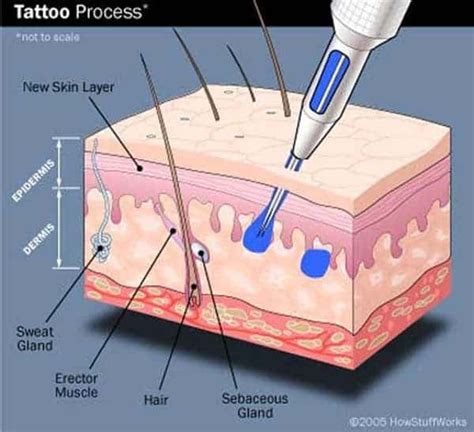
The Laser Removal Process
Laser removal is an advanced and effective method for eliminating unwanted microblading ink. The procedure uses targeted laser light to break down pigment in the skin, allowing the body to gradually absorb and eliminate the ink particles. This process is non-invasive and uses a high-energy light beam to break down ink particles into smaller fragments that are then processed by the body’s immune system.
To ensure patient comfort during the procedure, our specialists at Lexington Tattoo Removal utilize a Zimmer Cryo Cooler, which cools the skin to temperatures as low as negative 22 degrees Fahrenheit. This is particularly important as the skin under the eyebrows is more sensitive, even though the area covered by eyebrow tattoos is smaller.
Once the skin is adequately cooled, the laser is applied along the microbladed ink lines. The laser energy shatters the ink into microscopic particles. These particles are then gradually absorbed and eliminated by the body’s immune system. The procedure itself is remarkably quick, typically taking between two and ten minutes.
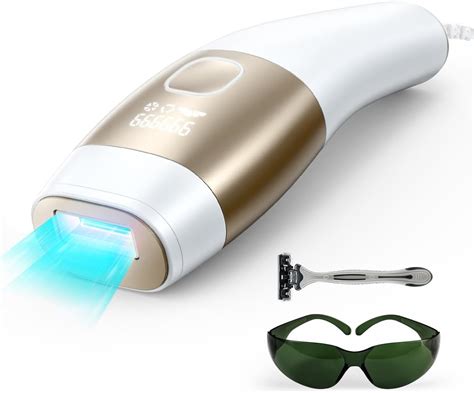
Types of Lasers Used for Microblading Removal
Two main types of laser technology are commonly used for microblading removal: Q-switched lasers and Pico lasers. Both technologies are effective but utilize different mechanisms:
- Q-Switched YAG Laser: This laser emits short pulses of energy that specifically target the pigment, breaking them down into smaller fragments that can be naturally absorbed by the body. Q-switched lasers are effective for most microblading pigments, but the number of sessions required can vary depending on the pigment’s color and depth.
- Pico Laser (Picosecond Laser): PicoWay Laser technology uses ultra-short pulses of energy, measured in picoseconds (trillionths of a second), to target and break down pigment. The Pico Laser is effective for permanent makeup removal. One of the main advantages of Pico Laser removal is the speed of the pulses, which generates less heat, reducing the risk of scarring and skin damage. It is often more effective on stubborn pigments, including reds and lighter colors.
The choice between Pico Laser and Q-switched YAG removal depends on various factors, including the individual’s skin type, the color and depth of the pigment, and the desired outcome. Consulting with a qualified professional is essential to determine the most appropriate treatment plan.
Factors Affecting Removal Success
The number of laser tattoo removal sessions required varies based on several factors, such as the depth and density of the ink, the chemical composition of the pigment, the age and location of the tattoo, and individual skin type and color. On average, most tattoos require 6-10 sessions, and it’s recommended to wait 6 to 8 weeks between sessions to allow the lymphatic system to process the fragmented ink particles.
Microblading removal can also be challenging if microblading was used to fill an existing eyebrow. Furthermore, the depth of pigment implantation plays a critical role. Pigments implanted too deep into the dermis become encapsulated within the skin’s structure, making them less prone to fading or breaking down and potentially turning semi-permanent cosmetic tattoos into permanent ones.
Newer vs. Older Tattoos
A case study involving microblading removal revealed interesting patterns:
- Newer Brow Tattoos (1-3 years old): These often responded well to laser removal, typically requiring only 1-2 sessions. This is because newer tattoos have fewer layers of ink embedded beneath the skin.
- Older Eyebrow Tattoos (10-15 years old): These posed a greater challenge due to high ink saturation from excessive layering over the years. The sheer volume of ink made it difficult for the laser to break down effectively.
- Older Brows with Little Saturation: These were also harder to remove. This could be because pigments can sink deeper into the skin over time, migrating and undergoing chemical reactions, making them resistant to removal. Alternatively, older cosmetic tattoos might have been done with regular tattoo ink and body tattooing techniques, leading to deeper implantation and more robust inks.
The most common color witnessed in older cosmetic tattoos was a green-grey or purple-grey hue. In some challenging cases, total removal may not be possible, and residual color might remain, potentially influenced by skin texture changes or scarring from aggressive application.
Preparing for Your Appointment
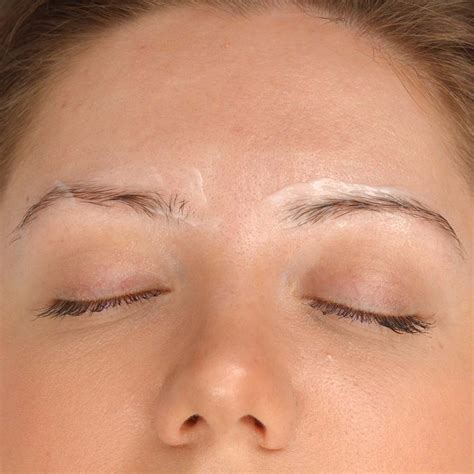
We recommend using tattoo numb cream before your appointment to minimize discomfort. To use it, apply a generous amount one hour before your appointment and wrap the area with Press 'N Seal wrap to keep it in place. We will then unwrap and wipe it off right before we begin the treatment.
During your free consultation, we can discuss the microblading eyebrow removal process in detail, allowing you to learn more before committing to the procedure. Something that sets Lexington Tattoo Removal apart is our ability to offer treatment directly after consultations, potentially saving you time and money.
Aftercare and Follow-Up
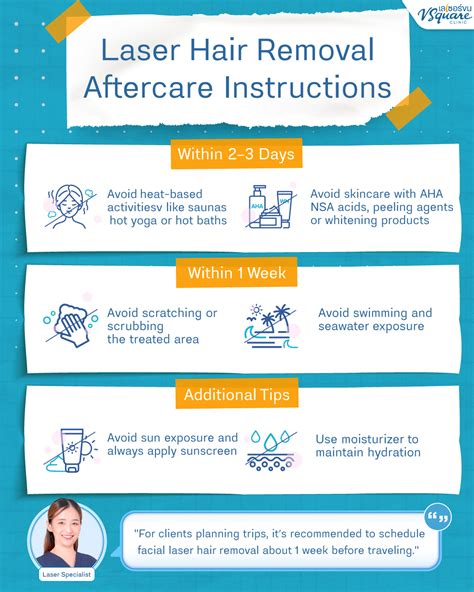
After every treatment, our Certified Laser Tattoo Removal Specialists will provide you with detailed instructions on caring for your microblading removal site. Your face can be particularly sensitive to the laser removal process, and we offer several products that can help with irritation and aftercare. The tattoo numb cream, a topical cream, can relieve pain, burning, and soreness at the removal site.
During aftercare, the specialist will assess the success of the laser eyebrow tattoo removal and determine if further treatment is required. If additional sessions are necessary, we will ensure you are scheduled before leaving the clinic. We guarantee your safety, comfort, and satisfaction throughout the process.
It’s important to note that complete removal of microblading may not always be possible, and some residual pigment may remain. The outcome depends on the pigment used, its depth, and the number of sessions. Following all aftercare instructions provided by your professional is crucial to ensure the best possible outcome and reduce the risk of complications.
Why Choose Laser Microblading Removal at Lexington Tattoo Removal?
Our team is comprised of Certified Laser Tattoo Removal Specialists, meaning they are specifically trained for this type of service. Unlike dermatologists or doctors who may offer a range of services, laser removal is our specialty. Our qualifications, education, experience, and certifications set Lexington Tattoo Removal apart from the competition.
We are committed to providing you with the best microbladed eyebrow removal experience possible, guiding you from start to finish. Since microblading fades naturally, you might wonder why you'd bother to get rid of it. The answer is as individual as any tattoo decision. While some people accept an unsatisfactory microblading service, we believe you don’t have to live with it. Your eyebrows are a prominent facial feature, and we want you to have the confidence that you look your best.
Our tattoo removal process is simple and relatively painless, and we can address microblading issues in as few as one session, though it could take up to five. Our free consultations are designed to help you understand the process thoroughly before you commit.
Pricing and Payment Options
The price of the laser microblading removal process varies depending on the number of sessions you need. We offer flexible payment options to make treatment accessible, including:
- Monthly payment plans through Cherry
- Split payment options
- Package deals such as Buy 6 Get 1 Free and Buy 8 Get 2 Free
- Full removal pricing, which provides one set price until the tattoo is completely gone
All available options will be reviewed during your free consultation, allowing you to choose the plan that best fits your goals and budget.
Contact Us
Our Certified Laser Tattoo Removal Specialists are eager to demonstrate the effectiveness of our microblading laser removal services. Please contact us to schedule a free consultation or visit our clinic at 3100 Old Todds Road, Suite 150. Our hours are from 9 am to 6 pm, Monday through Saturday, and we are closed on Sundays. You can reach us by phone at (859) 785-2189.
Our superior service and products attract clients from a wide radius, and we proudly serve the surrounding areas, including Kentucky, Ohio, West Virginia, and Tennessee. We look forward to working with you.
Laser Tattoo Removal, How It Works, Microblading, Removal Of Ink.
tags: #laser #removal #microblading