Discovering an unexpected hard lump under your scalp can be a cause for concern, leading to immediate worries about serious health issues. However, medical evidence indicates that the vast majority of such lumps are benign, meaning they are not cancerous and do not pose significant health risks. Understanding the difference between normal tissue variations and concerning growths is key to managing these discoveries.
Common Benign Causes of Scalp Lumps
Benign lumps, such as cysts, lipomas, and dermatofibromas, account for the majority of skin growths. These often form through normal biological processes, including responses to minor injuries, hormonal changes, or genetic predispositions. Cellular renewal in the skin and underlying tissues can sometimes lead to the formation of pockets where normal processes deviate slightly.
Types of Benign Lumps
- Cysts: These develop when oil glands become blocked or hair follicles get clogged with dead skin cells. Inflammatory responses, like granulomas, can also form as tissue reactions.
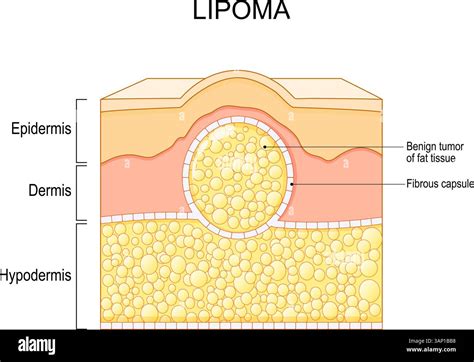
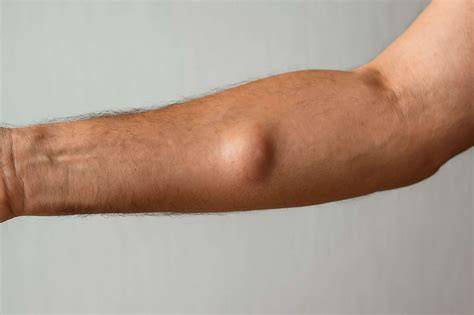
- Lipomas: A common type of soft tissue tumor, a lipoma is a benign growth composed of fat cells enclosed in a thin capsule. It often feels like a soft, doughy lump that can be moved under the skin. Lipomas are typically painless and slow-growing.
- Seborrheic Keratoses: These are noncancerous skin growths that resemble warts and typically appear on the head and neck of older adults. While they may look similar to skin cancer, they are generally harmless.
- Pilomatricoma: This is a hair follicle tumor that occurs when follicle cells grow excessively and calcify under the skin, making it feel hard. Pilomatricomas are common in children and adults, typically appearing on the face, head, and neck.
Specific Types of Scalp Cysts
Several types of cysts commonly appear on the scalp:
Epidermoid Cysts
Epidermoid cysts are small, hard lumps that grow under the skin, frequently on the scalp and face. They are slow-growing, usually painless, and skin-colored or yellow. A buildup of keratin below the skin is often the cause. While very rarely cancerous, they typically don't require treatment unless they become infected and painful.
Pilar Cysts (Trichilemmal Cysts)
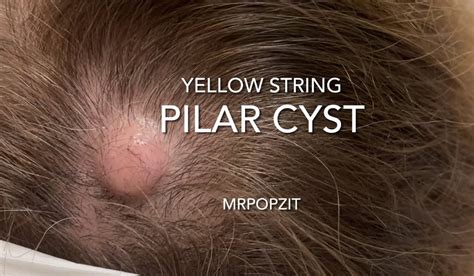
Pilar cysts are noncancerous (benign) cysts that grow from hair follicles, most commonly on the scalp. They are often called trichilemmal cysts or wens. These cysts are typically smooth, flesh-colored lumps that feel firm. They are filled with keratin, a protein found in hair, skin, and nails. While usually painless, they can become painful if they rupture, are squeezed, or press on the skull. Pilar cysts grow slowly and can become quite large, sometimes as big as a baseball. Although generally benign, about 3% of pilar cysts can develop into proliferating trichilemmal tumors (PTTs), which grow more quickly.
Other Scalp Bumps
Beyond cysts and lipomas, other conditions can cause bumps on the scalp:
- Ingrown Hair: Occurs when a shaved hair curls back and re-enters the skin, causing a small, red, solid bump that may resemble a pimple.
- Folliculitis: This is an inflammation or infection of a hair follicle, often caused by bacteria or fungi. It can result in red, itchy, and sometimes painful lumps resembling pimples, commonly known as "razor bumps."
- Scalp Acne: Similar to acne elsewhere, scalp acne can manifest as raised bumps, whiteheads, or blackheads that may be itchy or sore. It occurs when pores or hair follicles become clogged with dead skin cells or oil.
- Contact Dermatitis: This reaction occurs when the skin comes into contact with an allergen or irritant, such as chemicals found in hair products. It can cause itchiness, a burning sensation, and sometimes blistering.
- Hives (Urticaria): A rash of itchy, raised bumps that can affect any part of the body, including the scalp, often as part of an allergic response.
- Ringworm (Tinea Capitis): A fungal infection of the scalp that can cause itchy skin, a ring-shaped rash, inflamed, scaly, cracked skin, and hair loss.
Concerning Characteristics of Scalp Lumps
While most hard lumps under the skin are benign, certain characteristics warrant prompt medical evaluation. Concerning hard lumps often feel rock-hard, remain fixed when you try to move them, and may grow rapidly over days to weeks. Pain does not necessarily indicate whether a lump is benign or concerning, as many benign lumps can be painful if infected or inflamed, while some cancerous lumps are painless in their early stages.
Warning Signs Requiring Medical Attention
Seek immediate medical attention for lumps that exhibit any of the following characteristics:
- Rapid growth over days to weeks.
- Rock-hard texture and fixed attachment to tissues.
- Size larger than 2 inches.
- Accompanied by symptoms such as unexplained weight loss or persistent fatigue.
- Changes in appearance, such as bleeding, leaking pus, or discharge.
- Warm to the touch.
- Associated with severe or persistent headaches, vomiting, dizziness, balance issues, lethargy, memory loss, confusion, or slurred speech.
Potential Malignant Causes
While rare, some hard lumps under the skin can indicate malignant conditions. Head and neck cancers can sometimes manifest as lumps on the head or neck, or enlarged lymph nodes. These cancerous lumps are often hard and painless to the touch, though their characteristics can vary.
Types of Skin Cancer Presenting as Lumps
- Squamous Cell Carcinomas (SCCs): These can appear as wart-like growths or moles, often red or pink, with varying degrees of scaling or crusting.
- Basal Cell Carcinomas (BCCs): These may look like smooth, pearly bumps, sores, or scars. They account for about 80% of skin cancers.
- Nodular Melanomas: Less common but more dangerous, these can appear as blue or black lumps and are the deadliest form of skin cancer.
- Merkel Cell Carcinomas (MCCs): Rare but aggressive, these tumors often appear as red, pink, or purple spots that grow quickly and can resemble insect bites.
What Does Skin Cancer Look Like?
Diagnosis and Treatment
Diagnosing the cause of a lump on the scalp involves a thorough physical examination, a review of your medical history, and potentially further diagnostic tests. Advanced imaging techniques can provide clarity in distinguishing between benign and concerning conditions.
Diagnostic Methods
- Physical Examination: A doctor will examine the lump, noting its size, texture, mobility, and any associated symptoms.
- Biopsy: A skin biopsy is often performed to obtain a tissue sample for microscopic examination, which is crucial for diagnosing cancer.
- Imaging: In some cases, imaging tests such as X-rays or CT scans may be used to assess the lump and surrounding structures.
Treatment Options
Treatment for a scalp lump depends entirely on its underlying cause:
- For Injuries: Treatment may include ice, ointments, and bandages.
- For Infections (e.g., Folliculitis): This may involve daily washing, over-the-counter antibiotic creams, or prescription medications. Warm compresses can also help.
- For Cysts, Growths, and Noncancerous Tumors: Many benign lumps do not require treatment. However, if they cause discomfort, are cosmetically bothersome, or become infected, surgical removal may be an option. Techniques include cryosurgery (freezing), electrosurgery (using electrical current), or shave excision. Draining cysts is possible but may not prevent recurrence.
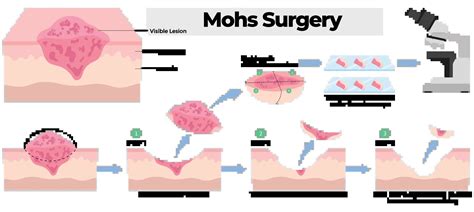
- For Cancer: Treatment for skin cancer on the scalp typically involves surgical removal, often using Mohs surgery to precisely remove cancerous cells while preserving healthy tissue. Other treatments may include radiation therapy or chemotherapy, depending on the type and stage of cancer.
It is important to consult a healthcare professional for a proper diagnosis and treatment plan for any persistent or concerning lump on the scalp. Self-treatment, such as attempting to squeeze or drain cysts, can lead to infection and scarring.