Laser surgery has revolutionized the field of dermatology, offering advanced solutions for a wide array of skin conditions and cosmetic concerns. From treating chronic conditions like eczema to improving the appearance of scars and addressing signs of aging, laser technology provides precise, effective, and often minimally invasive options for patients.
Understanding Laser Dermatology
Laser dermatology utilizes concentrated beams of light to target and treat various skin issues. The precision of this technology allows for focused treatment of specific areas without damaging surrounding tissues. This targeted approach minimizes side effects such as discomfort, bleeding, and bruising, often resulting in reduced downtime compared to other rejuvenation procedures.
The effectiveness and speed of results from laser therapy can vary significantly depending on the type of treatment, the specific condition being treated, and individual patient factors such as skin type, lifestyle habits, and post-treatment care. While some results may be immediate, many laser treatments require multiple sessions and several months to achieve the desired outcomes.
How Laser Treatments Work
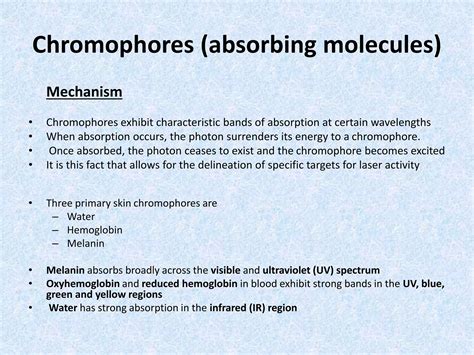
Lasers work by emitting specific wavelengths of light that are absorbed by targeted chromophores within the skin. These chromophores can be pigments (like melanin or hemoglobin) or water. Upon absorption, the light energy is converted into heat, which then selectively damages or destroys the targeted cells or structures. Different types of lasers are designed to target different chromophores and penetrate the skin to varying depths, allowing for a wide range of applications.
Lasers can achieve their therapeutic effects in several ways:
- Heating: Lasers can heat blood vessels, causing them to shrink, or heat pigment in the skin, facilitating exfoliation.
- Ablation: Some lasers precisely remove thin layers of skin tissue, stimulating new growth and revealing younger, healthier skin beneath. This process, known as laser skin resurfacing, can be fractional, treating only a percentage of the skin with each pulse to allow for faster healing.
- Collagen Stimulation: Certain laser treatments, particularly those involving radiofrequency energy, stimulate collagen production, which helps to improve skin texture, firmness, and reduce wrinkles.
Applications of Laser Surgery in Dermatology
Laser treatments are employed for a wide range of dermatological concerns, encompassing both medical and cosmetic applications.
Medical Applications
Atopic Dermatitis/Eczema
Research breakthroughs are continuously providing patients with atopic dermatitis/eczema more treatment options, with laser therapy emerging as a promising avenue for managing this chronic inflammatory skin condition.
Acne and Acne Scarring
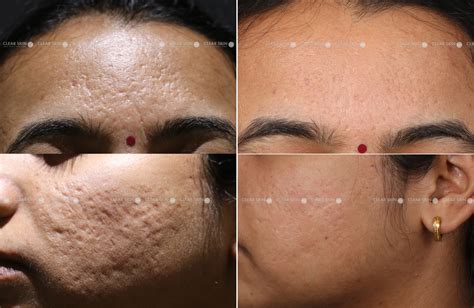
Laser treatments are highly effective in managing active acne and improving the appearance of acne scars. Technologies like AviClear are specifically designed to address acne by targeting the oil glands, offering a prescription-free, drug-free solution safe for all skin types and tones. For scarring, treatments like Fraxel Re:store® and Fraxel Re:pair® have demonstrated significant improvements in skin texture and pigment. Fractional laser treatments, which create microscopic treatment zones, promote rapid healing while remodeling collagen and improving scar appearance.
Vascular Lesions and Pigmentation Issues
Lasers are adept at treating vascular lesions such as spider veins, rosacea, and redness, as well as pigmentation issues like sun spots and melasma. The Pulsed Dye Laser, for instance, is effective in targeting blood vessels, while other lasers can selectively break down excess pigment.
Hair Removal
Laser hair removal offers a long-term solution for unwanted hair, particularly for individuals sensitive to shaving or waxing. Long-pulsed lasers target hair follicles, destroying them to significantly reduce hair growth over time.
Other Medical Uses
Laser therapy can also be used to treat conditions such as psoriasis, vitiligo, and certain types of birthmarks. Research is ongoing to expand the application of lasers in treating a broader spectrum of dermatological diseases.
Cosmetic Applications
Skin Rejuvenation and Wrinkle Reduction
Laser skin resurfacing, including fractional and full ablative techniques, can restore the skin to a more youthful appearance by treating wrinkles, fine lines, and improving overall skin texture and tone. Lasers and light-based devices are effective in addressing signs of aging caused by sun exposure and environmental damage.
Scar Treatment
For those looking to diminish noticeable scars from previous surgeries, injuries, or acne, laser treatments can significantly improve their appearance. Understanding the process and knowing what to expect before undergoing laser treatment for scars is crucial.
Brown Spots and Sun Damage
Lasers can effectively target and break down brown spots and other forms of sun damage, leading to a more even skin tone and complexion.
Tightening and Lifting
Some laser and energy-based devices, such as Ultherapy® and certain radiofrequency treatments, can stimulate collagen production to tighten sagging skin and improve facial contours.
What Happens When You Get A Tattoo Removed
Advanced Laser Technologies and Devices
The field of laser dermatology is constantly evolving, with new technologies and devices emerging regularly. Leading practices often utilize a variety of state-of-the-art laser systems to address diverse patient needs.
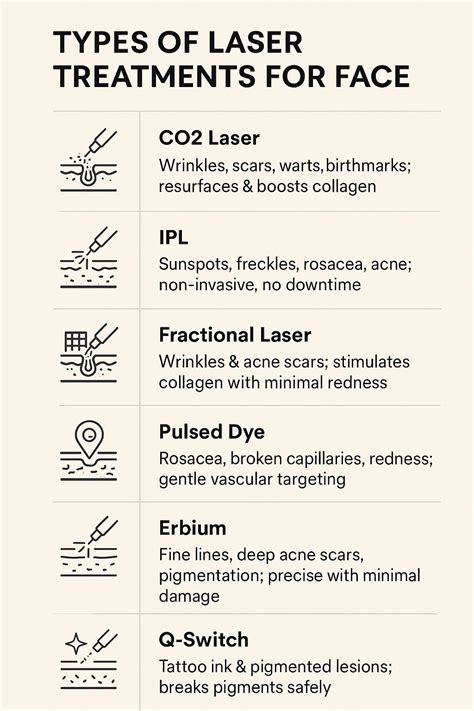
- Fraxel® DUAL Laser Peel and Clear + Brilliant®: These fractional laser treatments offer effective skin rejuvenation with minimal downtime, targeting tone, texture, and pigment irregularities.
- EXCEL V+: This advanced aesthetic laser system combines two powerful lasers to treat a wide range of concerns, including redness, rosacea, veins, brown spots, and hair growth. It is also used for treatments like Laser Genesis, which improves skin tone, texture, and pore size.
- AviClear: A prescription-free, drug-free laser treatment specifically for acne, AviClear is safe for all skin types and tones and can provide lasting clearance in just three 30-minute sessions.
- Secret RF: This radiofrequency microneedling device stimulates collagen production to improve wrinkles, skin tightness, photo damage, pore size, and stretch marks.
- Pulsed Dye Laser (PDL): Ideal for treating vascular lesions, PDL targets hemoglobin in blood vessels to reduce redness, treat broken blood vessels, and minimize the appearance of facial redness and vascular birthmarks.
- Intense Pulsed Light (IPL) / Broadband Light (BBL): These technologies target pigment and vascular issues below the skin's surface to correct blemishes, reduce pigmentation, minimize pore size, decrease redness, and even out skin tone.
- CO2 Fractional Laser: Used for resurfacing, this laser removes thin layers of skin to reveal younger skin, treat wrinkles, scars, and pigment problems.
Choosing the Right Dermatologist for Laser Treatment
Selecting a qualified dermatologist is paramount for safe and effective laser treatments. A dermatologist is a medical doctor specializing in the skin, hair, and nails, with advanced training in various treatment modalities, including laser surgery.
When seeking a dermatologist for laser procedures, consider the following:
- Board Certification: Ensure the dermatologist is board-certified in dermatology.
- Experience with Lasers: Look for specialists with extensive experience in laser medicine and dermatology. Many leading dermatologists are recognized for their expertise in laser treatments by professional organizations and publications.
- Range of Technologies: Practices that offer a wide array of laser technologies are better equipped to tailor treatments to individual needs.
- Patient Testimonials and Reviews: Real patient experiences can provide valuable insights into the quality of care and results achieved.
Dermatologists can help patients navigate the complexities of laser treatments, recommending the most appropriate options based on their specific skin condition, goals, and medical history. They can also advise on necessary preparations, such as avoiding certain medications or supplements that might interfere with healing, and discuss post-procedure care to optimize results and minimize complications.
Preparing for and Recovering from Laser Therapy
Proper preparation and aftercare are essential for successful laser treatments. Patients should consult with their dermatologist to determine the most appropriate laser therapy and receive specific instructions.
Pre-Treatment Recommendations:
- Avoid medications or supplements that can affect blood clotting (e.g., aspirin, ibuprofen, vitamin E) for at least 10 days prior.
- Arrange for transportation home if sedation is used.
- Inform the doctor about any history of cold sores, as laser treatments can trigger outbreaks.
- If you smoke, it is recommended to stop smoking at least two weeks before and after the procedure to promote better healing.
Post-Treatment Care:
After the procedure, an antibiotic may be prescribed to prevent infection. Patients are typically advised on how to care for their skin, which may include applying soothing creams, avoiding sun exposure, and using sunscreen diligently. While many laser treatments have minimal downtime, some, like full ablative resurfacing, require a longer recovery period.
Results from laser treatments are often not immediate, with noticeable improvements appearing over several months as the skin heals and collagen remodels. A series of treatments may be necessary to achieve optimal and long-lasting results.
tags: #laser #surgery #dermatology