A lightweight milk gloss designed to provide hydration, moisture, and a non-sticky finish. This lip gloss aims to offer a comfortable and nourishing experience for the lips.
Key Ingredients and Their Benefits
The formulation of this lip gloss incorporates several key ingredients, each chosen for its specific benefits:
Nourishing Oils and Emollients
-
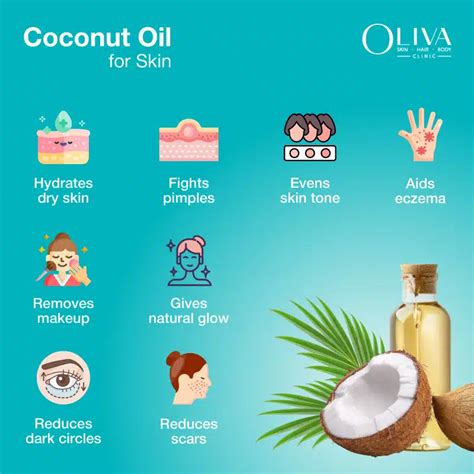
Cocos Nucifera Oil (Coconut Oil): Derived from the kernels of the coconut fruit, coconut oil is rich in fatty acids, with lauric acid being the most prominent. It effectively helps to trap moisture and soften the skin. While it possesses antibacterial properties, it's important to note that coconut oil has a high comedogenic rating (4 out of 5) and may not be suitable for acne-prone skin or malassezia (fungal acne). Studies suggest it blocks only about 20% of UV rays, so it should not replace sunscreen. It is a non-volatile oil with a light scent.
Research indicates that coconut oil is highly effective for dry skin conditions, with studies confirming its efficacy in treating xerosis (very dry skin) and being more effective than mineral oil in treating mild to moderate atopic dermatitis (eczema) in children. For hair care, coconut oil has demonstrated its ability to penetrate the hair shaft, preventing protein loss and damage from combing. It is also being investigated for wound healing, antifungal activity, and as an insect repellent.
-
Vitis Vinifera Seed Oil (Grape Seed Oil): This emollient oil comes from grape seeds, a byproduct of grape juice or wine production. It contributes to a smooth skin feel and contains beneficial compounds like Vitamin E, Vitamin C, proanthocyanidins, polyphenols, flavonoids, and anthocyanins. These antioxidants combat free-radical damage, potentially reducing signs of aging. Grape seed oil's antimicrobial properties may also aid in treating acne, though further research is needed. Its fatty acids provide emollient properties, creating a film that traps moisture and keeps the skin hydrated. It also has some UV-absorbing capabilities but should not substitute sunscreen.
-
Hydrogenated Polyisobutene: A synthetic polymer known for its emollient and texture-enhancing properties. Studies have shown it can improve skin hydration levels compared to other emollients. Due to its large molecular size, it does not penetrate the skin, making it well-tolerated and effective at trapping moisture to keep the skin soft and hydrated.
Occlusive and Protective Agents
-
Petrolatum (Petroleum Jelly): A highly effective occlusive agent composed of waxes and mineral oils. It creates a hydrophobic barrier on the skin, significantly reducing transepidermal water loss (TEWL) and preventing evaporation. This makes it excellent for hydrating dry skin, healing cracked lips, and protecting severely dry patches. For optimal results, it's recommended to apply occlusives like petrolatum on damp skin. While it has a comedogenic rating of 0 and does not promote comedone formation, it may not be suitable for fungal acne due to potential yeast growth. Cosmetic-grade petrolatum has undergone purification and has a long history of safe use.
-
Mineral Oil: A synthetic liquid oil that can serve as a replacement for mineral oil or silicone oils in cosmetic formulas. It is a by-product of petroleum refining and is known for its occlusive properties, helping to prevent water loss from the skin.
Antioxidants and Preservatives
-
Tocopherol (Vitamin E): A potent antioxidant that offers significant photoprotection against UVB rays and strengthens the skin barrier. Being fat-soluble, it is readily absorbed by the skin and helps maintain healthy natural skin lipids. Vitamin E also provides some UV protection, though it should not replace sunscreen. When combined with Vitamin C, it enhances the stability and effectiveness of both ingredients, decreasing sunburned cells and hyperpigmentation after UV exposure.
-
BHT (Butylated Hydroxytoluene): A synthetic antioxidant and preservative used since the 1970s. As an antioxidant, it helps protect the skin from free radicals, and as a preservative, it prevents product degradation through oxidation. While concerns have been raised based on oral studies, BHT is approved for cosmetic use by regulatory bodies. It is important to note that its use has been restricted in the UK as of April 2024.
Moisturizers and Texture Enhancers
-
Glycerin: A humectant naturally present in the skin. It effectively moisturizes by drawing moisture to the skin, even into deeper layers due to its low molecular weight. Glycerin helps to maintain a healthy skin barrier, protecting against irritants and bacteria, and possesses antimicrobial and antiviral properties, making it useful in wound and burn treatments. It is typically derived from plant sources like soybean or palm but can also be animal-derived.
-
Mica: A naturally occurring mineral powder used to add shimmer, color, and improve product texture. It can also provide light-reflecting properties and enhance skin adhesion. Serecite is a fine-grained form of mica. Trace amounts of heavy metals may be present but are considered harmless in cosmetic use.
Understanding the "Milk Gloss" Aspect
The term "milk gloss" suggests a formula that is lightweight and provides a smooth, milky appearance on the lips. The combination of emollients and occlusive agents aims to create a comfortable, hydrating film without a heavy or sticky sensation. Ingredients like Hydrogenated Polyisobutene and Glycerin contribute to the moisturizing and smooth texture, while oils like Coconut Oil and Grape Seed Oil offer nourishment.
Potential Considerations
While the ingredients offer numerous benefits, it's worth noting that:
- Coconut oil may not be suitable for individuals prone to acne or fungal acne due to its high comedogenic rating.
- Petrolatum, while excellent for dryness, might not be ideal for fungal acne.
- The term 'fragrance' can be broad, and its specific composition is often determined by the brand.