Hyaluronic acid is a ubiquitous ingredient in the beauty industry, and for good reason. Its remarkable ability to hydrate and plump the skin makes it a sought-after component in numerous skincare formulations. However, understanding the science behind how it works can enhance its perceived value and effectiveness.
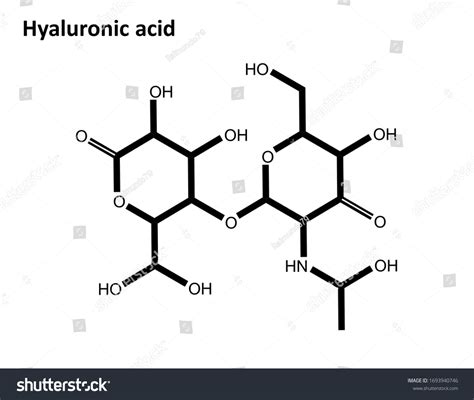
What is Hyaluronic Acid?
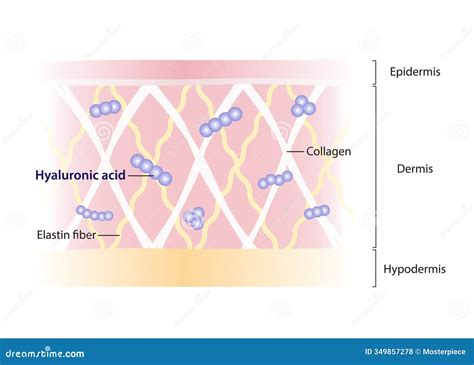
Hyaluronic acid (HA) is a naturally occurring sugar molecule found in high concentrations within the skin, eyes, and joints. It is a key component of the gel-like substance known as the extracellular matrix, which surrounds and supports cells in the epidermis and dermis, playing a crucial role in maintaining skin health and hydration. As we age, the body's natural production of hyaluronic acid slows down, leading to decreased skin moisture, which can result in dryness, thinning, and a less plump appearance.
Research indicates that hyaluronic acid can hold several times its weight in water, making it an exceptional hydrator for all skin types. Its primary function is to provide moisture to the skin, eyes, and joints. While HA levels decline with age, inadequate water intake, and other lifestyle factors that stress the complexion, topical application and supplementation can help counteract these effects.
What Can Hyaluronic Acid Do for Your Skin?
The benefits of hyaluronic acid for the skin are extensive, ranging from immediate hydration to long-term anti-aging effects. Its ability to bind to water prevents moisture loss, helps cells adhere to each other, and enhances the resiliency and flexibility of the skin barrier and the capillaries that nourish it. Furthermore, it promotes healthy cell turnover and repair.
Key Benefits of Hyaluronic Acid for the Skin:
- Enhances light reflection and radiance.
- Refines and smooths skin texture.
- Plumps the skin, imparting a youthful bounce.
- Calms and balances the complexion.
- Reduces hyperpigmentation.
- Slows the signs of aging.
- Rejuvenates and supports skin health.
- Improves overall skin appearance.
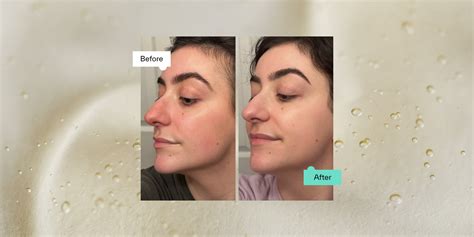
Understanding Dry vs. Dehydrated Skin
While both dry and dehydrated skin can exhibit similar symptoms like tightness, flakiness, and dullness, they are distinct issues. Dry skin is a skin type characterized by a lack of oil production, often inherited or influenced by hormonal changes. Skin dehydration, on the other hand, is a condition resulting from a deficiency of water in the skin's outermost layer, typically caused by external factors such as sun exposure, environmental pollutants, or improper skincare. Dehydrated skin may attempt to compensate for the lack of moisture through rebound oil production, a phenomenon not typically seen in dry skin.
Chronic skin dehydration can compromise the skin barrier, leading to a cycle of reduced hydration, increased sensitivity, inflammation, pigmentation, and accelerated aging. This occurs through protein degradation, glycation, cellular dysfunction, loss of firmness, and impaired defenses against oxidative stress.
Signs of Skin Dehydration:
- Textural changes and roughness
- Loss of plumpness
- Flaky skin
- Dull, matte appearance
- Temporary fine lines
- Tightness and discomfort
- Irritation, redness, and sensitivity
- Accelerated aging
- Hyperpigmentation
- Rebound oil production
The Role of Low Molecular Weight Hyaluronic Acid
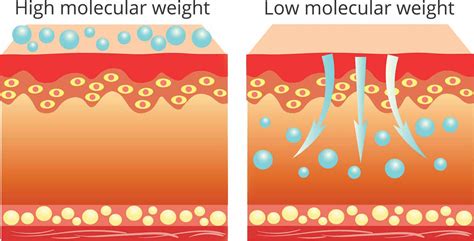
The effectiveness of hyaluronic acid products can vary depending on the form used. High-molecular-weight HA typically remains on the skin's surface, providing a temporary film-forming effect. In contrast, low molecular weight hyaluronic acid (such as Sodium Hyaluronate or Hydrolyzed HA) has a smaller molecular size, allowing it to penetrate deeper into the skin. This deeper penetration targets the root causes of skin dehydration, sluggishness, and reduced collagen and elastin production more effectively.
Products containing Sodium Hyaluronate help maintain the integrity of the skin's natural protective barrier by drawing moisture into the skin. This promotes a smoother, softer, and more supple complexion with longer-lasting results. Some advanced formulations utilize ultra-low molecular weight HA (as low as 0.5 kDa), ensuring the deepest possible skin absorbency for unparalleled moisturization, repair, and plumping effects.
Who Should Use Hyaluronic Acid?
Hyaluronic acid is a versatile ingredient beneficial for virtually all skin types, not just those with dry skin. Its plumping and youth-boosting benefits make it an excellent addition to routines aimed at combating dryness, dehydration, and signs of aging. Individuals experiencing dryness, fine lines, loss of elasticity, or dullness can significantly benefit from incorporating HA into their skincare regimen.
Integrating Hyaluronic Acid into Your Skincare Routine
A step-by-step approach ensures optimal benefits from hyaluronic acid products. Consistency is key, and visible hydration effects may appear quickly, while rejuvenating effects typically take at least 30 days to manifest.
Step-by-Step Hyaluronic Acid Routine:
-
Cleanse: Start with a gentle, refreshing cleanse to remove impurities without stripping the skin. Opt for a soft cleansing foam that maintains skin clarity and comfort.
-
Tone (Optional): An alcohol-free toner and moisturizing facial spray can perfect the cleanse, providing additional hydration and preparing the skin for subsequent products. Ingredients like Chamomile and Aloe Vera are beneficial.
-
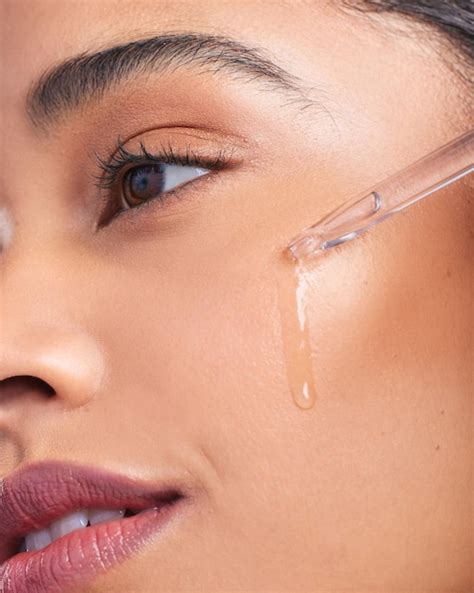
Apply a Hyaluronic Acid Serum: Smooth on a hydrating serum both morning and evening. This step helps replenish and boost skin's moisture levels, leaving it radiant. Serums with low molecular weight HA offer more profound absorption and benefits.
-
Seal in Moisture with an HA Cream: Hyaluronic acid creams act as a crucial layer to retain hydration, providing sustained moisture throughout the day. Look for moisturizers with HA to maintain optimal water levels for a plump and dewy complexion.
-
Apply Sunscreen: Every day, the final step of your morning routine should be a high SPF, broad-spectrum sunscreen. A hydrating sunscreen with hyaluronic acid can be an excellent choice for all skin types, offering protection without a greasy feel.
Hyaluronic Acid for Nails
Beyond skincare, hyaluronic acid can also benefit nail health. Specific formulations, such as cationic hyaluronic acid, act as an enhanced version that moisturizes the nail plate and cuticle, contributing to stronger and more hydrated nails.
What About Mixing Hyaluronic Acid with Other Skincare Ingredients?
Hyaluronic acid is generally compatible with most skincare ingredients, making it easy to integrate into various routines. However, understanding potential interactions can optimize its use.
Hyaluronic Acid + Retinoids:
Combining hyaluronic acid with retinoids is a popular and effective strategy. Retinoids can sometimes cause dryness or irritation, and hyaluronic acid's hydrating properties can help mitigate these side effects while enhancing the overall rejuvenating effects.
Hyaluronic Acid + Vitamin C:
Vitamin C and hyaluronic acid form a gentle yet powerful skincare combination. The benefits of each ingredient complement the other, leading to a synergistic rejuvenating effect. Vitamin C provides antioxidant protection and brightens the skin, while HA ensures deep hydration.
Any Mixtures to Avoid?
While hyaluronic acid is highly compatible, it's always prudent to introduce new products gradually and observe your skin's reaction. In cases of doubt, patch testing new combinations is recommended.
Your Questions Answered
How Often Should I Use Hyaluronic Acid?
Skincare products containing hyaluronic acid can typically be used twice daily, in both the morning and evening routines. However, always refer to the specific product instructions, as formulations and concentrations may vary. For oral supplements, consult with a healthcare professional regarding appropriate dosage and frequency.
Can I Use Hyaluronic Acid Around My Eyes?
Yes, hyaluronic acid formulas made specifically for the eye contour area can be both essential and effective. Its ability to bind to water helps restore elasticity and moisture levels around the delicate eye area, addressing dryness and fine lines.
Lifestyle Habits to Support Skin Hydration
Complementing your hyaluronic acid skincare routine with healthy lifestyle habits can further enhance skin moisture and overall appearance:
- Hydration from Within: Consume ample water and water-rich fruits and vegetables.
- Healthy Fats: Eat foods rich in healthy fats and oils to moisturize the skin from the inside out.
- Environmental Control: Minimize exposure to extreme heat or cold and consider using a humidifier in dry environments.
- Facial Mists: Use a facial mist throughout the day to boost moisture, especially in arid climates.
- Mindful Product Choices: Avoid high pH cleansers, products with SD Alcohol, dyes, perfumes, and overly gritty exfoliators. Opt for sulfate-free cleansers and alcohol-free toners.
tags: #low #molecular #hyaluronic #acid #toner