Master the art of the melt with this comprehensive guide to cleansing balms. From understanding their essential ingredients and expert application tips to identifying common mistakes, discover how this skincare staple can lead to a more radiant complexion, suitable for every skin type.
What Exactly Is a Cleansing Balm?
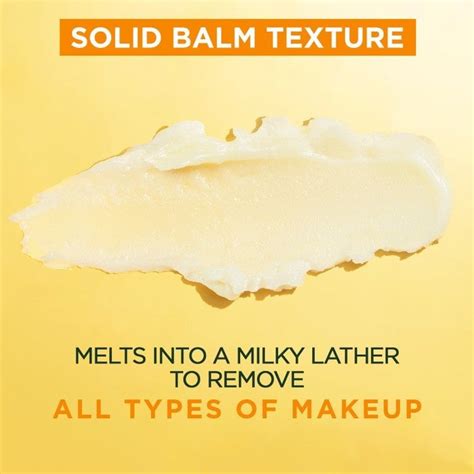
A cleansing balm is a buttery, typically oil-based emulsion formulated to melt upon contact with the skin. Upon mixing with water, it transforms into a milky lather. Due to its richer texture compared to conventional cleansers, a cleansing balm possesses the power to dissolve even the most stubborn long-wear and waterproof makeup, as well as remove all traces of sunscreen, which many lightweight cleansers struggle to do. Moreover, cleansing balms offer deep hydration for up to 24 hours.
How Does a Cleansing Balm Work?
Cleansing balms are exceptionally effective because they operate on the principle of "like dissolves like." Their oil-based formulation allows them to break down and lift away oil-based impurities such as makeup, sebum, and sunscreen. Unlike surfactant-based cleansers that can strip the skin of its natural oils, leading to dryness, oil-based cleansing balms hydrate the skin while effectively dissolving excess oil and balancing sebum production. This dual action makes them a superior choice for a deep daily cleanse, especially when followed by a water-based cleanser in a double cleansing routine.
Benefits of Using a Cleansing Balm
Cleansing balms offer a multitude of benefits for the skin, making them an indispensable part of many skincare routines:
- Deep Cleansing: They effectively dissolve and remove stubborn makeup, including waterproof formulas, as well as sunscreen and daily grime.
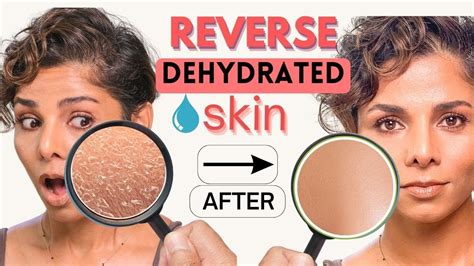
- Hydration: Unlike some cleansers that can strip the skin, balms are formulated with emollients and nourishing oils that hydrate and soften the skin, leaving it feeling moisturized.
- Sebum Balancing: For oily and acne-prone skin, cleansing balms help break down excess oil without stripping the skin, thus balancing natural oil production and preventing further breakouts.
- Gentle Formulation: Cleansing balms are generally gentle and suitable for sensitive skin, as they cleanse, soothe, and moisturize without harsh ingredients like alcohol.
- Improved Skin Texture: Regular use of cleansing balms can improve skin texture by keeping pores clear of impurities and bacteria that can lead to breakouts.
- Enhanced Radiance: Formulas fortified with ingredients like Vitamin C can reveal natural radiance and promote a healthy glow.
Key Ingredients to Look For in a Cleansing Balm
When selecting a cleansing balm, certain ingredients can significantly enhance its effectiveness and benefits:
- Emollients and Nourishing Oils: Ingredients like jojoba oil, sweet almond oil, and shea butter are rich in fatty acids and vitamins that soothe, soften, and deeply hydrate the skin.
- Ceramides: These lipids help to maintain the skin's natural barrier, keeping it hydrated and protected.
- Glycerin: A humectant that draws moisture into the skin, leaving it feeling soft and smooth.
- Vitamin C (Ascorbic Acid): Known for its brightening properties, it helps to reveal natural radiance and protect against environmental stressors.
- Hyaluronic Acid: A powerful humectant that replumps the skin, providing intense hydration for a healthy, dewy glow.
- Watermelon Fruit Extract: Provides antioxidant benefits and can help soothe the skin.
- Tea Tree Oil or Salicylic Acid: For those with oily or acne-prone skin, these ingredients can help control oil production and prevent breakouts.
For sensitive skin, fragrance-free options are highly recommended.
Choosing the Best Cleansing Balm for Your Skin Type
The effectiveness of a cleansing balm can be optimized by choosing one tailored to your specific skin needs:
- Dry Skin: Look for formulas rich in hydrating ingredients such as shea butter, sweet almond oil, and glycerin to replenish moisture.
- Oily or Acne-Prone Skin: Opt for non-comedogenic formulas that include ingredients like tea tree oil or salicylic acid to help manage oil production and prevent clogged pores. The principle of "like dissolves like" is particularly beneficial here, as oil in the balm can effectively break down excess sebum.
- Sensitive Skin: Prioritize fragrance-free and alcohol-free formulations. Ingredients like chamomile or calendula can offer soothing benefits. Ensure the product is hypoallergenic.
- Combination Skin: A balanced formula with hydrating and balancing ingredients will work well.
How to Use a Cleansing Balm: A Step-by-Step Guide
Incorporating a cleansing balm into your routine is simple and rewarding:
- Start with Dry Skin: Take a small amount of cleansing balm with a dry spatula or clean fingertips.
- Massage Gently: Apply the balm to your dry face and gently massage it in circular motions for about 30 seconds to a minute. This allows the balm to effectively melt away makeup, sunscreen, and impurities.
- Emulsify with Water: Wet your hands with warm or cool water (never hot) and continue massaging the balm onto your skin. It will transform into a milky lather.
- Rinse Thoroughly: Rinse your face completely with water until all traces of the balm are removed. Alternatively, you can use a clean, damp washcloth to gently wipe away the product.
- Follow with a Second Cleanse (Optional but Recommended): For a thorough clean, especially if you wear heavy makeup or sunscreen, follow up with a gentle water-based cleanser. This is the essence of the popular "double cleansing" method.
I Tried Double Cleansing With The Same Cleanser Twice
Common Mistakes to Avoid While Using Cleansing Balm
To maximize the benefits of your cleansing balm and avoid potential issues, be mindful of these common mistakes:
- Using on Wet Skin Initially: Cleansing balms are designed to be massaged into dry skin first to effectively dissolve oil-based impurities. Applying water too early can hinder this process.
- Not Massaging Long Enough: Give the balm sufficient time to break down makeup and grime. A quick swipe is often not enough for stubborn products.
- Using Hot Water: Hot water can strip the skin of its natural oils and potentially cause irritation. Opt for lukewarm or cool water for rinsing.
- Skipping the Second Cleanse: While a balm cleanses effectively, a water-based cleanser ensures all residue is removed and pores are thoroughly cleansed, especially important for acne-prone skin.
- Harsh Rubbing or Scrubbing: Cleansing balms are meant to melt away impurities. Avoid aggressive rubbing, which can irritate the skin.
- Using the Wrong Type for Your Skin: Not all balms are created equal. Ensure the ingredients align with your skin type and concerns (e.g., avoiding heavy oils if you're very acne-prone and not selecting a fragrance-free option if you have sensitive skin).
Frequently Asked Questions
How are cleansing balms different from traditional facial cleansers?
Cleansing balms are typically oil-based and designed to dissolve stubborn makeup, SPF, and excess oil more effectively than traditional gel or foam cleansers. They are considered an excellent first step for makeup removal before using a water-based cleanser to clean pores thoroughly. Their moisturizing nature makes them ideal for dry and eczema-prone skin, though fragrance-free options are best for sensitive types.
How do I use a cleansing balm?
Massage the balm onto dry skin with gentle pressure for about a minute to dissolve makeup and impurities. Then, add a splash of warm or cool water to emulsify the balm into a milky lather before rinsing it all off. Alternatively, a clean, wet washcloth can be used to gently wipe away the product. Following with a water-based face wash completes the double-cleansing routine.
Can cleansing balms remove waterproof makeup?
Yes, cleansing balms are renowned for their ability to dissolve even stubborn waterproof makeup with ease due to their oil-based formulation.
Are cleansing balms suitable for acne-prone skin?
Yes, many cleansing balms are formulated to be non-comedogenic and cleanse deeply without clogging pores, making them suitable for acne-prone skin. The oil in the balm helps to break down excess sebum without stripping the skin, which can prevent the skin from producing even more oil.
Do cleansing balms leave an oily residue?
No, when properly emulsified with water and rinsed thoroughly, cleansing balms should rinse away cleanly without leaving a greasy residue. The emulsification process transforms the oil into a water-soluble lather that washes off easily.
Do you need to double cleanse when using a cleansing balm?
Double cleansing is often recommended when using a cleansing balm, especially if you wear heavy makeup, sunscreen, or have oily skin. The balm removes oil-based impurities, while a subsequent water-based cleanser removes water-based impurities and ensures the skin is completely clean.
Can a cleansing balm improve skin texture?
Yes, by effectively cleansing the skin, removing impurities that can lead to breakouts, and maintaining moisture levels, cleansing balms can contribute to improved overall skin texture, making it appear smoother and clearer.
How do cleansing balms affect the skin's moisture barrier?
When formulated with nourishing ingredients and used correctly, cleansing balms help to support and even improve the skin's moisture barrier. They cleanse without stripping the skin of essential lipids, and many contain ingredients that actively hydrate and replenish the barrier.