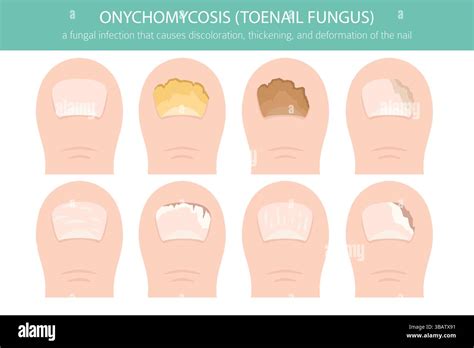
Onychomycosis is a common fungal infection of the nail, estimated to cause up to 50% of all nail disease and 33% of cutaneous fungal infections. It can affect toenails or fingernails, though it is more frequently found in toenails. The primary infectious agents include dermatophytes, yeasts, and nondermatophytic molds. Aging is the most common risk factor, likely due to decreased blood circulation, longer exposure to fungi, and slower nail growth. Various medical conditions also increase the risk, including diabetes, obesity, peripheral vascular disease, immunosuppression, and HIV infection.
In certain populations, onychomycosis may lead to additional health problems. Although there is limited evidence of a causal link between onychomycosis and diabetic foot ulcers, at least one prospective study with diabetic patients found onychomycosis to be an independent predictor of foot ulcer. Moreover, onychomycosis, especially in more severe cases, may adversely impact the quality of life.
Diagnosis of Onychomycosis
The diagnosis of onychomycosis can be confirmed through several methods:
- Potassium hydroxide (KOH) preparation
- Fungal culture
- Histology
Traditional Treatment Approaches and Their Limitations
Traditional treatments for onychomycosis include topical antifungals (e.g., nail paints containing ciclopirox or amorolfine) and oral antifungals (e.g., terbinafine and itraconazole). These treatments often have limitations:
Topical Antifungal Medications
- Limitations: Poor penetration through the nail plate, require consistent application for 6-12 months, success rates of only 5-12% for moderate to severe infections, difficulty treating the nail matrix (growth center), and frequent treatment failures and recurrences.
Oral Antifungal Medications
- Limitations: Potential for serious side effects such as hepatotoxicity and drug interactions, require liver function monitoring, treatment duration of 3-6 months, success rates of 40-70% with significant recurrence rates, and are contraindicated for many patients with certain health conditions.
Mechanical Debridement
- Limitations: Addresses symptoms but not the underlying infection, provides temporary cosmetic improvement only, requires regular professional maintenance, can be uncomfortable or painful, and has a high recurrence rate when used alone.
These limitations highlight the need for more effective and safer treatment options, leading to the investigation of device-based therapies like laser systems.
Laser Treatment for Fungal Nails
Laser therapy offers an innovative approach to treating fungal nail infections, addressing many of the drawbacks of traditional methods. The principle behind laser treatment is selective photothermolysis, which involves precisely targeting tissue with a specific wavelength of light. The absorbed light energy generates heat sufficient to damage the target area (the fungi) while sparing surrounding tissues.
How Laser Treatment Works
- Penetration: Laser beams penetrate the nail plate to reach the fungi within.
- Targeting: Specific wavelengths of light are absorbed by the fungi.
- Thermal Damage: The absorbed energy converts to heat, denaturing fungal proteins and disrupting cell membranes.
- Preservation: Healthy human cells are spared due to the selective targeting.
- Immune Response: Some evidence suggests laser therapy may enhance the body's natural defenses.
Types of Lasers Used
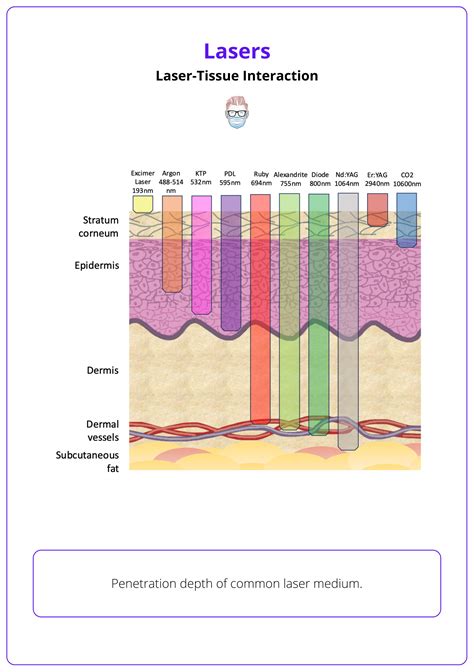
Several types of lasers have received FDA clearance for treating fungal nails. Near-infrared spectrum wavelengths are often used due to their maximum tissue penetrance. Common types include:
- Nd:YAG Lasers: Typically operated at 1064 nm, these lasers offer deep penetration and have a good safety profile, making them widely studied for fungal nail infections.
- Diode Lasers: These lasers operate at various wavelengths (e.g., 870-1064 nm), are compact and precise, and provide good penetration with minimal heat dispersion.
- Q-Switched Lasers: These deliver energy in very short, powerful pulses, minimizing thermal damage to surrounding tissue while effectively destroying fungi.
Laser spot sizes for treating onychomycosis typically range from 1 to 10 nm. Pulse durations are kept short (microsecond or nanosecond) to avoid damage to surrounding tissue.
FDA Clearance
Some laser systems have been cleared by the FDA for the "temporary increase of clear nail in patients with onychomycosis." FDA clearance indicates that these devices are substantially equivalent to existing devices, but it does not necessarily prove long-term clinical effectiveness for curing the infection.
The Laser Treatment Procedure
Laser treatment for onychomycosis is typically performed in a clinical setting. The procedure generally involves:
- Preparation: Affected nails may be cleaned with alcohol and trimmed. Nail polish must be removed. Sometimes, nails are thinned to improve laser penetration.
- Procedure: Protective eyewear is provided. The laser handpiece is moved across each infected nail, often with multiple passes. A warming sensation is common, and the procedure is generally well-tolerated with minimal discomfort. No anesthesia is typically required.
- Duration: Treatment of all ten toenails usually takes 20-30 minutes, though treating fewer nails may be shorter.
- Sensations: Patients may feel warmth or a mild "pinprick" sensation. Cooling methods might be used if needed.
- Immediate Effects: There is no downtime, and patients can return to normal activities immediately. Nails appear unchanged directly after treatment.
Laser Treatment for Fungal Toenails
Treatment Protocols and Success Rates
The effectiveness of laser treatment can depend on the treatment protocol, the severity of the infection, and patient adherence to aftercare. While some studies report favorable outcomes, there is significant heterogeneity and wide confidence intervals, suggesting uncertainty in the precision of the results.
Typical Treatment Protocols
- Number of Sessions: Mild to moderate infections may require 2-3 treatments, while severe or long-standing infections might need 3-4 sessions. Maintenance treatments may be recommended.
- Treatment Intervals: Sessions are typically spaced 4-12 weeks apart, allowing time to assess response and nail growth.
- Combination Approaches: Laser therapy is often combined with topical antifungals for enhanced results. Professional debridement between sessions may also improve outcomes.
Success Rates and Expectations
Clinical studies show mixed results. Some systematic reviews and randomized controlled trials (RCTs) report favorable outcomes, with laser therapy significantly increasing mycological and clinical cure rates compared to some other drugs. However, these studies often have methodological limitations, including inconsistent blinding, reporting outcomes on a per-nail basis without accounting for correlated measurements, and wide confidence intervals suggesting uncertainty.
Some evidence suggests that laser treatment may improve nail appearance temporarily. However, the published evidence to date does not definitively permit determining whether laser treatment improves overall health outcomes in patients with onychomycosis. Additional well-designed, adequately powered RCTs are needed.
Comparison to Traditional Treatments
When compared to traditional treatments:
- Topical Antifungals Alone: Typically have low-to-moderate efficacy and high relapse rates.
- Oral Antifungals: Offer higher cure rates but carry risks of systemic side effects.
- Laser Therapy: Offers a drug-free option with minimal systemic side effects. However, its efficacy in achieving a complete fungal cure is still under investigation, with evidence suggesting it may offer temporary improvement in nail clarity.
A 2020 Cochrane Review concluded that there is "low to very low certainty evidence" supporting the use of laser therapy for fungal nails.
Aftercare and Prevention
To maximize results and prevent recurrence, proper aftercare and preventive measures are crucial:
- Immediate Post-Treatment Care: Keep feet clean and dry. Avoid nail polish for 1-2 days.
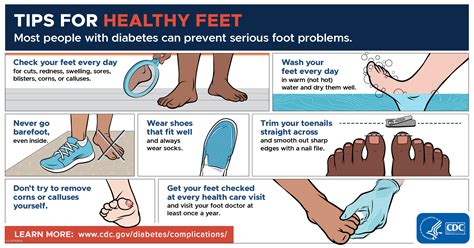
- Long-Term Care: Maintain daily foot hygiene, wear clean, moisture-wicking socks, choose breathable footwear, and disinfect footwear regularly.
- Nail Care: Keep nails trimmed and disinfect nail tools between uses.
- Environmental Precautions: Wear shower shoes in public facilities and avoid walking barefoot in high-risk areas.
Special Considerations
Diabetic Patients
Patients with diabetes require special attention due to an increased risk of infection, impaired healing, and reduced sensation. Laser treatment may be considered, but close monitoring and integration with comprehensive diabetic foot care are essential.
Elderly Patients
Older adults may have thicker nails, mobility issues affecting self-care, and may be taking multiple medications that preclude oral antifungals. Laser therapy can be a viable option, but assistance with home care and realistic expectations regarding the timeline for results are important.
Athletes and Active Individuals
Increased foot perspiration and exposure to communal facilities can pose challenges. More frequent sock changes, specialized footwear, and vigilant preventive measures are recommended.
At-Home Laser Devices
At-home laser and light devices are marketed as convenient, drug-free options. These devices typically use low-level laser therapy (LLLT) or LED-based light energy. While some consumer devices are FDA-cleared for temporary cosmetic improvement, evidence supporting complete or long-term fungal cure is limited. Results vary widely, and these devices may not be effective for moderate-to-severe infections. Professional evaluation is recommended if symptoms persist or worsen.