When you develop a cold sore, also known as a fever blister, the primary goal is to make it disappear as quickly as possible. These uncomfortable, unsightly, and often embarrassing sores can appear unexpectedly, causing significant distress for many individuals.
Fortunately, various topical treatments, including creams, ointments, and patches, are available to accelerate the healing process and alleviate symptoms.
What Are Cold Sores?
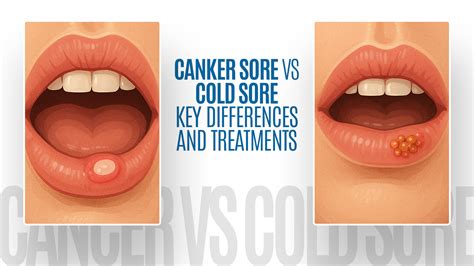
Humans are susceptible to several types of oral lesions, both internal and external. It's easy to confuse a cold sore with a canker sore, as both manifest as painful, swollen red bumps with whitish patches. However, the key distinction lies in their cause and contagiousness. Cold sores are caused by a virus, specifically the herpes simplex virus type 1 (HSV-1), and typically appear externally around the mouth and on the lips. They are often oozy and contagious. In contrast, canker sores, or mouth ulcers, stem from factors like mouth trauma, allergies, or other triggers, and are not contagious.
What Causes Cold Sores?
Cold sores are the external manifestation of the herpes simplex virus type 1 (HSV-1). This virus is one of many herpes variants affecting humans. It spreads through skin-to-skin contact with an infected individual. Notably, the herpes virus resides in the body permanently, meaning transmission is possible even without an active outbreak.
To prevent the spread of HSV-1, it is crucial to avoid sharing personal items such as lip balm, razors, or utensils during a flare-up.
What Triggers Recurrence?
Once infected with the virus, certain triggers can reactivate it. While teens are more prone to initial infection, outbreaks tend to subside with age, making cold sores in adults over 35 relatively rare. Common triggers for recurrence include:
- Stress or fatigue
- Illness (e.g., cold, flu, or fever)
- Injury to the lips or mouth
- Dental work or cosmetic surgery
- Food allergies
- Hormonal changes (particularly menstruation)
Children and individuals with compromised immune systems are at the highest risk for HSV-1 infection.
What Are the Symptoms of a Cold Sore?
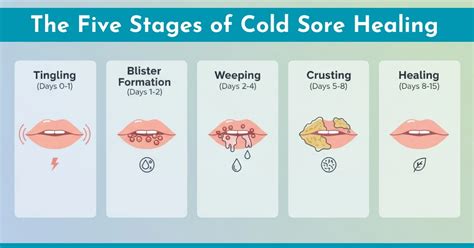
The typical lifecycle of a cold sore begins with initial symptoms appearing between two days and three weeks after exposure to the virus. An outbreak usually progresses through the following stages:
- Prodromal Stage: The skin around the mouth becomes sensitive, potentially experiencing burning, itching, or tingling sensations.
- Blister Formation: One or more blisters emerge around the mouth, extending from under the nose to below the lips and the corners of the mouth.
- Ulceration: The blisters rupture, developing into open sores.
- Weeping and Oozing: The sores weep fluid for a few days.
- Crusting and Healing: The sores then dry out, form a crust, and begin to heal.
Most cold sores heal completely within three weeks, rarely leaving scars. Some individuals may experience flu-like symptoms, such as body aches, headaches, fevers, or swollen glands. Others might carry the virus without ever developing visible sores.
The herpes virus can lie dormant in nerve cells, making infected individuals contagious at any time.
Do Cold Sores Need Treatment?
While cold sores will eventually heal on their own, most individuals prefer to expedite the process to minimize discomfort and appearance. Various remedies are available, from simple self-care tips to prescription medications.
Basic Cold Sore Management Tips:
- Wash hands thoroughly with soap and warm water before applying any topical treatment.
- Gently dab creams or ointments onto the blister without rubbing.
- Resist the urge to scratch itchy blisters to prevent scarring.
- Do not share cold sore medication.
- If brushing your teeth is painful, use an antiseptic mouthwash or toothpaste for sensitive teeth.
- Avoid foods that may irritate the blister, such as highly acidic or salty items.
- Stay hydrated by drinking plenty of water or non-alcoholic fluids.
What Treatments Are Available for Cold Sores?
Given the prevalence of cold sores, a wide array of over-the-counter (OTC) treatments are available at pharmacies and other retail outlets. These typically come in cream or ointment form and are applied directly to the affected area. Using a cotton swab for application is recommended to minimize contact.
Over-the-Counter (OTC) Options:
The key to successful OTC treatment is early intervention. Starting treatment at the first sign of tingling or tenderness can significantly improve outcomes. Look for products containing:
- Drying agents such as calamine lotion, zinc oxide, witch hazel, and Domeboro to help dry out blister fluid.
- Topical steroids like hydrocortisone to help alleviate itching, swelling, and redness.
- Topical gels and ointments such as Vaseline, plain Chapstick, and Aquaphor to create a barrier against bacteria.
- Topical hydroxypropyls, cellulose-based gels that adhere to the sore and protect it from external irritants.
- Sunscreen with an SPF of at least 30 is crucial, as sun exposure can worsen outbreaks.
Regardless of the chosen medication, consistent application at the earliest symptom onset is vital.
Prescription Medications:
For frequent cold sore recurrences, a healthcare provider may prescribe antiviral creams or tablets. Common topical antivirals include docosanol, penciclovir, and acyclovir, applied with a cotton swab. In more severe cases, oral antivirals such as acyclovir, valacyclovir, or famciclovir might be prescribed. Intravenous (IV) options, typically acyclovir, are usually reserved for severely immunocompromised individuals.
A recent international study indicated that medical-grade honey (MGH) may outperform prescription antivirals in treating cold sores.
What Are Cold Sore Patches?
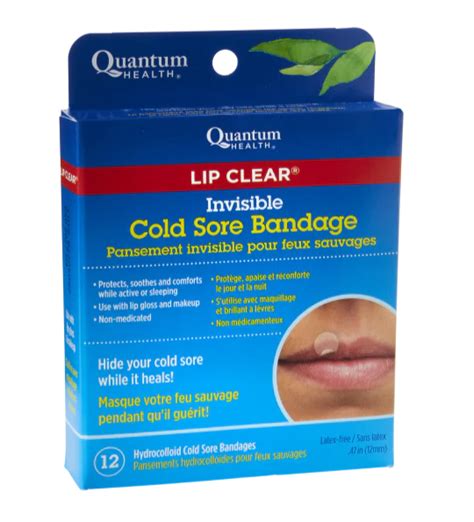
Advancements in hydrocolloid technology have led to the development of cold sore patches, offering a viable treatment option. These patches function as occlusive, absorbent wound dressings that promote healing, relieve symptoms, and discreetly conceal the sore.
How Do Cold Sore Patches Work?
Cold sore patches are designed to adhere to the skin around the lesion, continuously applying medication (if included) and creating a protective barrier against bacteria and other irritants. They help hide the blister and create an optimal healing environment.
Types of Patches:
It's important to note that most cold sore patches do not contain antivirals. Their primary function is to facilitate a favorable healing environment. Current types include:
- Hydrocolloid gel patches
- Film-forming serums, such as Herpatch Serum
A 2020 study comparing Herpatch and Compeed patches to Zovirax cream found that Herpatch users reported the best results in symptom relief and healing. However, some users experienced dryness around the lesion. Issues with Compeed patches included peeling edges during eating or drinking. The study concluded that there was no significant difference in healing time between non-medicated patches, suggesting that creating an optimal healing environment is key.
The Compeed patch is popular in the US and has been used in studies comparing its efficacy to 5% acyclovir cream, with similar healing times but a preference for patches due to cosmetic reasons.
Using a Cold Sore Patch:
For maximum effectiveness, follow these usage tips:
- Patches can be worn during daily activities, including applying makeup and lipstick, eating, and drinking.
- Always wear the patch until the sore begins to dry out.
- Change the patch to a fresh one every 12 hours for continuous healing.
When using a patch, cold sores typically resolve within about ten days.
What Are the Possible Complications of Cold Sores?
While cold sores are generally self-limiting, certain complications can arise, particularly for individuals with compromised immune systems (e.g., those with HIV or undergoing chemotherapy). Prompt healing of blisters is advised, and medical attention should be sought if home treatments are ineffective.
The HSV virus can infect areas with existing skin conditions like eczema or cuts, potentially leading to secondary infections. If the virus spreads to the eye, it can cause herpetic pink eye, which carries the risk of blindness if left untreated. In rare cases, untreated HSV can spread to the brain, causing inflammation and swelling (encephalitis).
What Is the Outcome for Someone Who Has Cold Sores?
Cold sores tend to occur less frequently with age, although the virus remains in the body indefinitely. For those embarrassed by outbreaks, it's reassuring to know that nearly everyone carries the virus. OTC patches or topical creams can help manage outbreaks. As with acne, cold sore flare-ups can be frustrating, impacting daily activities. Appropriate products can help alleviate pain and discomfort.
According to Dr. David Li, a board-certified dermatologist, oral medications prescribed by a physician can be highly effective, either for occasional flares or daily prevention. Over-the-counter topical treatments are also readily available.
Expert Recommendations for Topical Treatments:
Dermatologists emphasize that the best cold sore treatments should:
- Reduce pain, discomfort, and redness.
- Minimize the spread of the virus.
Considerations when choosing a product include:
- Type of Treatment: Gels, creams, and patches offer different benefits. Patches act as a physical barrier, reducing spread and preventing irritation. Gels provide a protective barrier, and some dry into a film. Creams are lightweight and absorb quickly, allowing for makeup application.
- Active Ingredients:
- Docosanol: An OTC antiviral that slows the virus's spread by blocking it from reaching healthy cells, thus reducing outbreak severity and healing time.
- Hydrocortisone: A mild corticosteroid that minimizes inflammation, redness, and swelling.
- Hydrocolloid: Commonly found in patches, it creates a moist healing environment, preventing the sore from drying out.
Top Product Recommendations:
- Abreva Docosanol 10% Cream: This cream penetrates deeply to block the herpes virus. It's formulated with 10% docosanol and is known to reduce healing time. Its portable packaging makes it convenient for on-the-go use.
- Orajel Severe Pain Relief Nighttime Formula: This product contains camphor and phenol for a numbing effect to alleviate pain. It also includes aloe to soothe skin and prevent dryness. Suitable for adults and children over two.
- Mederma Cold Sore Patches: These patches make cold sores less visible and use hydrocolloid gel technology to speed healing. They can be worn under makeup and lipstick.
- Hero Cosmetics Mighty Patch: While designed for acne, these patches use medical-grade hydrocolloid to absorb fluids and prevent drying. They are discreet with a thin profile and matte finish.
- CeraVe Hydrating Facial Cleanser: For cold sores in the crust-over stage, this gentle cleanser supports healing without harsh acids or alcohols. It contains ceramides to protect the skin barrier and retain moisture.
- Hydrocortisone Cream (1%): Recommended for its anti-inflammatory properties to calm cold sores and reduce redness, itching, and pain. It also contains vitamins A, C, and E for skin nourishment and can be used for other skin conditions.
Frequently Asked Questions:
What triggers a cold sore outbreak?
Common triggers include cold weather (causing chapped lips), UV exposure (sunlight), and facial trauma from surgery or dental work. These factors can weaken the skin barrier or cause inflammation, leading to virus reactivation.
What is the best treatment for a cold sore?
For timely treatment, dermatologists recommend oral prescription pills like valacyclovir, especially when taken within 72 hours of symptom onset, as they can shorten healing time significantly. Over-the-counter topicals can serve as complementary aids for discomfort and redness.
How contagious are cold sores?
Cold sores are highly contagious and can spread through skin contact. Contagiousness typically lasts until the cold sore has fully crusted over, which can take five to eight days. The initial tingling, burning, or itching sensation often indicates contagiousness.
How to shop for cold sore treatments?
When shopping, consider the form of treatment based on your symptoms. Antiviral treatments with docosanol or lysine can speed healing. Numbing agents in gels can ease itching and pain. Protective products like patches, or those with aloe, honey, and vitamin E, can support recovery.