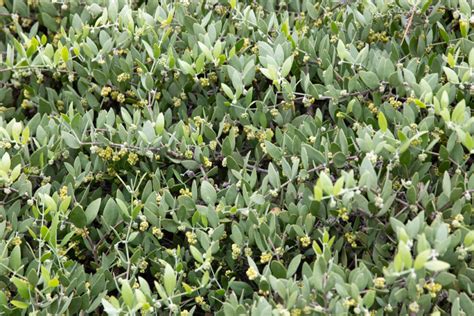
Jojoba oil is a liquid produced from the seeds of the jojoba plant (Simmondsia chinensis), a shrub native to the arid regions of southern Arizona, southern California, and northwestern Mexico.
Botanical Characteristics and Origin
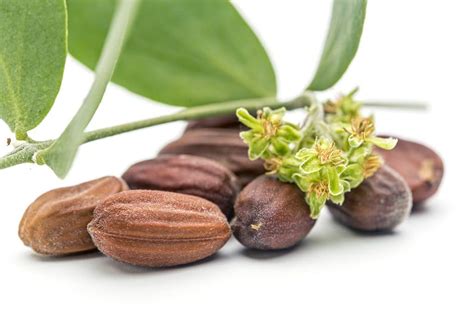
The jojoba shrub thrives in dry climates, and its seeds are a rich source of oil, accounting for approximately 50% of the seed's weight. Historically, the O'odham Native American tribe utilized the oil extracted from jojoba seeds to treat sores and wounds.
Chemical Composition and Properties
While often referred to as "jojoba oil," the substance is technically a liquid wax. It is composed almost entirely of mono-esters of long-chain fatty acids and alcohols. Unrefined jojoba oil appears as a clear, golden liquid at room temperature with a subtle, nutty aroma. In its refined form, it is colorless and odorless.
The unique composition of jojoba oil makes it a valuable ingredient. Its properties include acting as an emollient, which helps to soothe the skin and unclog hair follicles when applied topically.
Historical and Industrial Uses
During wartime, specifically in 1943, jojoba oil was recognized for its utility and incorporated as an additive in motor oil, transmission oil, and differential gear oil. Due to the slow-growing nature of the jojoba plant and the challenges associated with its cultivation, jojoba oil is primarily used in small-scale applications, particularly in the pharmaceutical and cosmetic industries. It serves as a sustainable alternative to whale oil and its derivatives, such as cetyl alcohol.
Applications in Medicine and Cosmetics
Jojoba oil is applied directly to the skin to address various conditions, including acne, psoriasis, sunburn, and chapped skin. There is also interest in its potential to encourage hair regrowth in individuals experiencing balding, based on the theory that unclogged hair follicles may be more conducive to new hair growth.
In manufacturing, jojoba is a common ingredient in a wide range of products such as shampoo, lipstick, makeup, cleansing products, and face, hand, and body lotions.
Specific Uses and Effectiveness
Acne
Applying a clay mask containing jojoba oil to the face 2-3 times per week for six weeks might reduce the number of pimples in some individuals with acne.
Hair Loss
The application of jojoba oil to the skin is believed to soothe the skin and unclog hair follicles. This has led to an interest in its use for balding, as it is thought that unclogged follicles may promote new hair growth. However, more evidence is needed to confirm its effectiveness for hair loss.
Other Conditions
Jojoba oil is also used for psoriasis and sunburn, and for chapped skin. Insufficient evidence currently exists for its effectiveness in treating Alzheimer's disease, as massaging the hand with jojoba oil does not appear to improve emotions, aggression, or mental function in individuals with this condition. Further research is required to establish its efficacy for these and other conditions.
The Amazing Benefits Of Organic Jojoba Oil For Skin
Safety Precautions and Side Effects
When applied to the skin, jojoba is generally considered LIKELY SAFE for most people. However, some individuals may experience side effects such as rash and allergic reactions.
It is considered LIKELY UNSAFE to ingest jojoba. This is due to the presence of a chemical called erucic acid, which can lead to serious health issues, including heart damage.
Pregnancy and Breast-feeding
Applying jojoba to the skin during pregnancy and breast-feeding is considered LIKELY SAFE. However, taking jojoba by mouth during these periods is LIKELY UNSAFE.
Dosage Information
There is currently insufficient scientific information to determine an appropriate range of doses for jojoba. The effective dosage can depend on various factors, including the user's age, health status, and other existing conditions. It is important to remember that natural products are not always inherently safe, and dosage can play a crucial role. Always follow the directions on product labels and consult with a pharmacist, physician, or other healthcare professional before using jojoba.