As proactive skincare has gained prominence over the past few years, incorporating effective ingredients has become crucial for maintaining skin health and combating the signs of aging. While genetics play a role in how our skin ages, proper care is essential to prevent fine lines, wrinkles, hyperpigmentation, and sagging. Among the various acids that have revolutionized skincare routines, mevalonic acid stands out for its impressive benefits.
Mevalonic acid is particularly beneficial for those struggling with dryness, a common concern associated with aging skin. It helps to provide the necessary moisture, contributing to a more hydrated complexion.
Understanding Mevalonic Acid: A Scientific Perspective
From a scientific standpoint, mevalonic acid is classified as a “precursor to cholesterol.” In simpler terms, it is a natural compound within the body that plays a vital role in maintaining the skin's barrier function. This is achieved by supporting the production of essential substances like cholesterol, vitamin D, and certain hormones.
While the benefits of vitamin D for skin, such as reducing inflammation and promoting skin turnover, are well-known, the influence of cholesterol on skin health is equally significant. Cholesterol is crucial for protecting the skin from environmental damage, maintaining a soft and smooth texture, nourishing skin cells, aiding in detoxification, improving elasticity, and preventing breakouts, thereby contributing to a youthful and radiant appearance.
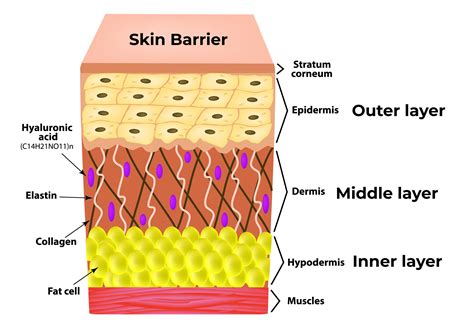
The Role of the Skin Barrier
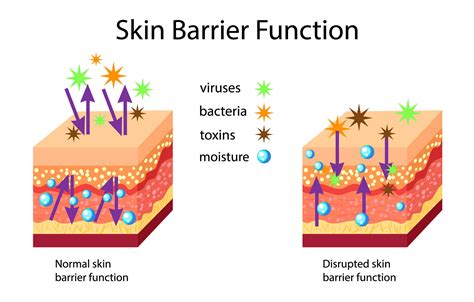
The outermost layer of the skin, known as the skin barrier, is critical for protecting the skin from free radicals that can lead to damage and premature aging.
Mevalonic Acid and Pore Health
A common concern regarding ingredients related to cholesterol is the potential for pore-clogging. However, mevalonic acid is known for its lightweight nature, which makes it well-suited for both acne-prone and sensitive skin types. Some skincare brands, such as Personal Day, have incorporated mevalonic acid into their acne-fighting product lines.
Gentle Exfoliation with Mevalonic Acid
Consistent exfoliation is key to unclogging pores, reducing hyperpigmentation, brightening the complexion, improving circulation, and minimizing signs of aging. While mevalonic acid does not exfoliate in the same manner as alpha-hydroxy acids (AHAs) or beta-hydroxy acids (BHAs), it uniquely encourages the skin's natural exfoliation process. This makes it an excellent alternative for individuals seeking a gentler approach to exfoliation.
Incorporating Mevalonic Acid into Your Skincare Routine
To benefit from mevalonic acid, look for serums or moisturizers that list it as an ingredient. Products like AMEVA Mevalonic Acid Multipotent Serum (which is plant-based and vegan) and the Personal Day line are good starting points. As mevalonic acid gains popularity, it is expected to be featured in more cosmetic lines.
Biotech Beauty and Mevalonic Acid
The beauty industry is increasingly embracing biotech beauty, where scientific advancements and sustainability converge. This approach utilizes technology to create highly effective products that are also environmentally conscious. Mevalonic acid is a prime example of a breakthrough ingredient emerging from this field.
Mevalonic Acid: A Cellular Master Molecule
Mevalonic acid is recognized as a cellular master molecule, essential for healthy-looking skin. It plays a critical role in regulating cellular metabolism and acts as a foundational building block for more complex structures like lipids and hormones. Its compact molecular structure allows for deep penetration into the skin, enhancing absorption and delivering optimal results.

How Mevalonic Acid Works at the Cellular Level
At the cellular level, mevalonic acid is vital for skin rejuvenation. As we age, our cells' repair capabilities diminish, leading to decreased levels of collagen, CoQ10, squalene, and skin lipids-all crucial components of youthful skin. Mevalonic acid aids the skin in transforming into these essential compounds, including CoQ10, squalene, vitamin K, retinol, and lipids, which are fundamental for cellular health and renewal.
Furthermore, mevalonic acid is exceptionally gentle, offering potent anti-aging benefits without causing irritation, redness, or sensitivity, making it ideal for sensitive skin types.
Mevalonic Acid in Product Formulations
Products like Balancing Act Pore Refining Face Cream incorporate mevalonic acid alongside niacinamide to refine pores, balance oil production, and improve skin texture. Its lightweight, non-greasy formulation provides hydration and enhances elasticity, resulting in smoother, more radiant skin.
Additionally, mevalonic acid can be found in convenient formats such as biodegradable, oversized body wipes, like YUNI's Unscented Shower Sheets, which are infused with aloe vera and green tea extract for soothing and refreshing benefits, especially after workouts or during travel.
The Biochemical Pathway of Mevalonic Acid
Biochemically, life is a series of complex chemical reactions at the cellular level, guided by a cell's genetic code. DNA encodes RNA, which directs cellular functions. For skin cells, if DNA instructs the production of collagen or CoQ10, mevalonic acid enhances the RNA's signal, focusing the cell's machinery on these vital processes. Mevalonic acid also supports the mitochondria in providing cells with the energy needed for survival and productivity.
Cellular Health and Skin Aging
A decline in cellular health, often exacerbated by aging, disease, injury, and environmental stressors, impacts the entire body. The mitochondrial theory of aging posits that as cellular repair and replacement become less efficient, mitochondria produce energy less effectively. This overall decline in cellular health affects the integumentary system-skin, hair, and nails-leading to reduced levels of collagen, CoQ10, squalene, and skin lipids, which are characteristic of younger skin.