Your lips are a prominent feature, often noticed first and among the first to show signs of aging. When lips lose their plumpness, it can lead to self-consciousness. Lip augmentation has surged in popularity, with many considering hyaluronic acid fillers for fuller, more symmetrical lips or a shapelier pout.
Understanding Hyaluronic Acid Lip Fillers
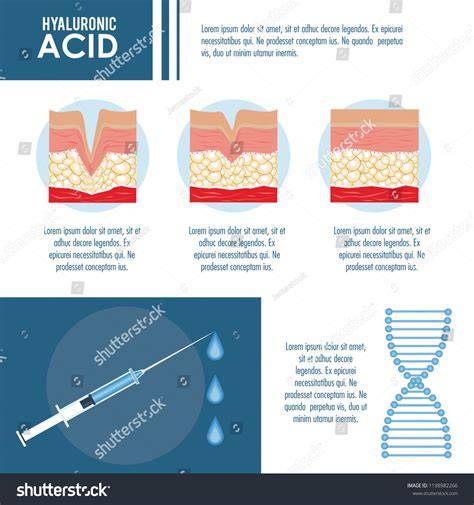
The hyaluronic acid used in lip fillers is injected into the dermis layer. Here, it bonds with water molecules, acting as a support structure for the lips. This naturally occurring substance helps to cushion the lips, filling out and rounding any imperfections or irregularities.
Hyaluronic acid is composed of sodium hyaluronate, a substance found in your diet (foods like kale, tofu, almonds, and edamame are rich in it) and produced naturally by your body. It is the key ingredient in lip fillers, and its effects are temporary and reversible. Hyaluronic acid retains skin moisture, acting as a natural moisturizer by holding up to 1,000 times its weight in water. Hyaluronic acid lip fillers can restore volume and provide hydration to lips that have lost moisture or fullness.
The skin around the lips is thin and delicate, making it prone to fine lines and wrinkles. Hyaluronic acid can make lips appear fuller and younger by filling in wrinkles and plumping the skin. It also helps reduce fine lines and wrinkles by increasing collagen production, which can lift sagging skin around the mouth.
Hyaluronic acid is compatible with cosmetic lip implants, including silicone and PMMA (polymethylmethacrylate), and has been used in combination with silicone with positive results. Lip fillers are considered a cost-effective and aesthetically pleasing solution for thinning lips.
Microneedling for Lips: A New Approach
Microneedling for lips is an emerging cosmetic treatment that uses tiny needles to create micro-injuries on the lip skin. This process stimulates collagen production and aims to improve lip texture and fullness. It differs from lip fillers, which directly add volume, and lip plumping products, which offer temporary visual enhancement.
How Microneedling Works on Lips
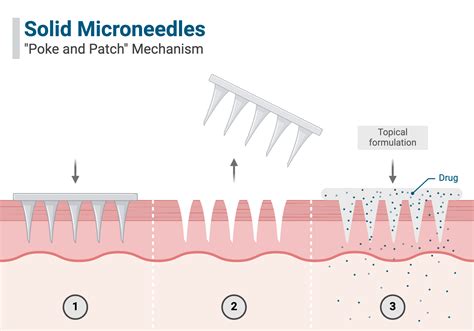
Microneedling lips utilizes a device with fine needles to create small injuries in the lip skin. This stimulates the body's natural healing process, leading to increased collagen and elastin production. These small injuries cause the skin to release growth factors that help in collagen synthesis and tissue repair. The healing of lip tissue after microneedling involves inflammation, followed by a proliferation phase where new collagen is generated.
The primary mechanism of microneedling for lips is through the stimulation of collagen production. This non-invasive method can lead to fuller, more defined lips by encouraging collagen synthesis. Microneedling can also help reduce fine lines around the mouth by boosting collagen and improve lip texture by increasing cell turnover. Enhanced blood circulation may also contribute to improved lip color.
Benefits of Lip Microneedling
- Increased Volume: Encourages collagen production for fuller-looking lips.
- Reduced Fine Lines and Wrinkles: Stimulates collagen to smooth the perioral area.
- Improved Texture: Promotes cell turnover for smoother lips.
- Enhanced Color: Boosts blood circulation.
- Long-Term Collagen Stimulation: Offers sustained benefits through ongoing collagen production.
The Microneedling Procedure
Microneedling sessions typically involve cleaning the lip area, followed by the application of a numbing cream to ensure comfort. The procedure itself usually takes about 30 minutes. Professionals use advanced microneedling technology for precision and safety, employing devices with various needle lengths and configurations.
Preparing for Lip Microneedling
Thorough cleansing of the lips and surrounding mouth area is essential before treatment. Removing any lipstick or makeup residue is crucial. Following cleansing, a gentle lip peel can be used to remove dead skin cells, while a fruit acid peel might be applied to the facial skin around the mouth.
Choosing the Right Device and Needles
When considering microneedling, the choice between a Dermaroller and a Dermapen is important, with Dermapens often recommended for their advantages. For lips, needle lengths between 0.2mm to 0.5mm are generally considered best, with some sources suggesting starting at 0.25mm and increasing to 0.75mm if needed. High-quality, sterile materials like stainless steel or titanium are recommended for the needles. For Dermapens, a 36mm needle head is suggested for gentler treatment of the sensitive lip area, although specialized lip nano-needle heads are also available, with some noting their effect may be less pronounced.
Microneedling Serums for Lips
For microneedling lips, cross-linked hyaluronic acid is recommended due to its stability, often found in serums labeled "Hyal Filler." Alternatively, non-cross-linked hyaluronic acid (e.g., 3.5% hyaluronic acid serum) can be used to provide additional moisture, as its lower molecular weight allows for easier penetration into the lips and skin.
Aftercare and Maintenance
After the treatment, soothing and caring for the lips is vital. A special lip mask can help moisturize and nourish. Protecting the skin from the sun with SPF 50 sunscreen and using a high-quality lip balm is also recommended.
To maintain results, regular treatments are often necessary. Follow-up sessions are typically recommended every 6-12 months, though some protocols suggest 6 treatments at intervals of 10 to 14 days for optimal results. The efficacy of microneedling depends on factors such as the number of treatments, needle depth, and the type of needle head used.
Microneedling vs. Other Lip Enhancement Methods
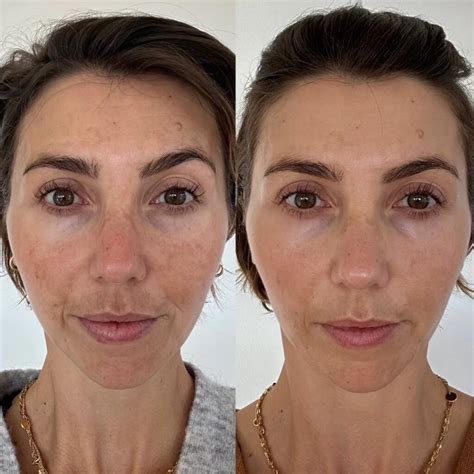
Microneedling offers a different approach compared to traditional lip fillers. While fillers provide immediate volume through injections, microneedling relies on the body's natural healing response to stimulate collagen over time. Lip plumping products, such as glosses or serums, use ingredients like hyaluronic acid or peptides for temporary visual effects.
The cost of lip enhancement methods varies. Lip fillers can be expensive and require repeat treatments. Lip plumping products are generally more affordable but need frequent application. The choice depends on individual goals, budget, and preferences.
While microneedling can contribute to fuller lips and improved texture, it typically does not provide the dramatic volume increase associated with professional lip injections. For those seeking significant volume, fillers remain the more effective option. However, microneedling can be a valuable supplementary treatment for overall lip health and subtle enhancement.
Risks and Considerations
While generally considered safe when performed correctly, microneedling for lips carries potential risks. These include redness, swelling, and discomfort immediately after the procedure. Although rare, serious side effects like infection, scarring, and allergic reactions can occur. It is crucial to seek immediate medical attention for severe swelling, redness, or signs of infection.
Individuals with active acne, cold sores, or bleeding disorders should avoid lip microneedling. It is essential to consult with a qualified expert before undergoing the procedure. Understanding the risks and potential side effects, and choosing a skilled practitioner, are key to ensuring safety.
There is ongoing debate regarding the predictability and lasting volume achievable with lip microneedling compared to injections. While microneedling stimulates collagen, the lips' delicate anatomy may respond with swelling and inflammation rather than significant collagen thickening. Current evidence does not always support predictable, lasting volume from this method alone, especially when compared to the direct volumizing effect of fillers.
The Truth About RF Microneedling and Collagen Supplements
At-Home Microneedling
For those interested in at-home lip enhancement, dermarolling with a suitable device is an option. For lips, needles between 0.2mm to 0.5mm are recommended. It is crucial to choose dermarollers made from high-quality, sterile materials and to maintain proper hygiene by cleaning and sterilizing the device after each use.
Consistency is key for at-home treatments, with dermarolling typically advised once every 4-6 weeks. However, it's important to manage expectations; results from at-home treatments may not match those achieved by professionals, and the risk of complications can increase without proper technique and sterile conditions.
Combining Treatments
Combining microneedling with other treatments can enhance lip rejuvenation. Serums containing hyaluronic acid, peptides, or vitamin C can be used alongside microneedling to boost effectiveness. Professional combination therapies, such as pairing microneedling with lip fillers or chemical peels, are also suggested by experts for comprehensive results.
When considering multiple treatments, timing is crucial. Microneedling sessions are typically spaced 4-6 weeks apart to allow the skin to recover. Mixing microneedling pen procedures with lip fillers requires careful consideration, as swelling or bleeding can occur if the filler has not properly settled.
tags: #microneedling #lips #with #hyaluronic #acid