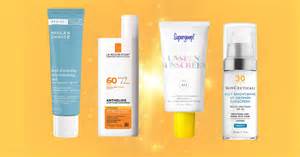
When it comes to sun protection, finding a sunscreen you genuinely like and will use daily is paramount. While personal preference plays a role, many individuals, particularly those with sensitive skin or a commitment to eco-conscious living, find that mineral sunscreen offers a superior choice.
Understanding Mineral Sunscreens
What Are Mineral Sunscreens?
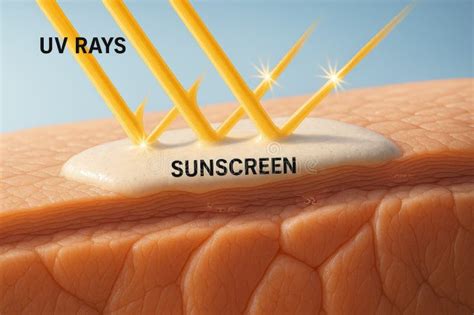
Mineral sunscreen, also known as physical sunscreen, utilizes zinc oxide and/or titanium dioxide as its active ingredients. These naturally occurring minerals form a protective barrier on the skin's surface, effectively reflecting and absorbing harmful UV rays. Unlike chemical sunscreens that are absorbed into the skin and convert UV rays into heat, mineral sunscreen acts as a physical shield, blocking UV radiation before it can penetrate your skin.
How Mineral Sunscreens Work
Mineral sunscreen ingredients create a physical barrier on the skin's surface. This barrier helps to block and scatter harmful rays. When you apply mineral sunscreen, you are essentially creating a shield that prevents the sun's rays from reaching your skin.
Identifying 100% Mineral Sunscreens
To ensure a sunscreen is 100% mineral, look for "zinc oxide" and/or "titanium dioxide" listed as the sole active ingredients. Be aware that a product labeled "mineral-based" may still contain other ingredients, so always check the active ingredient list.
The Advantages of Mineral Sunscreens
Broad-Spectrum Protection
Mineral sunscreens inherently provide protection against both UVA (aging) and UVB (burning) rays without the need for additional ingredients. This comprehensive coverage is crucial for preventing premature aging, sunburn, and reducing the risk of skin cancer.
Skin-Calming and Non-Irritating Properties
Because mineral sunscreens remain on the skin's surface rather than being absorbed, they are less likely to cause adverse reactions such as redness, breakouts, or allergic responses. This makes them an excellent choice for individuals with sensitive skin, eczema, or acne-prone skin. They are also often recommended for babies and children due to their gentle formulation.
Reef-Safe and Planet-Friendly
Purely mineral sunscreens, formulated without ingredients like oxybenzone or octinoxate, are considered safer for marine ecosystems. These chemical filters have been linked to damage coral reefs, making mineral options a more environmentally conscious choice.
Immediate Protection
Unlike chemical sunscreens, which can take 20-30 minutes to become effective after application, mineral sunscreen begins protecting your skin immediately upon application. This instant effectiveness is particularly beneficial for spontaneous outdoor activities.
Convenience for Reapplication
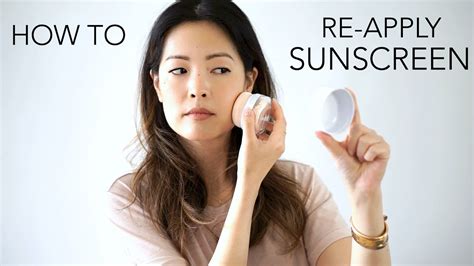
Well-formulated mineral sunscreens can be applied over makeup and reapplied throughout the day without disturbing your existing look. This makes them a practical choice for maintaining sun protection on the go.
Chemical vs. Mineral Sunscreens
Understanding Chemical Sunscreens
Chemical sunscreens are formulated with synthetic UV filters such as avobenzone, oxybenzone, octinoxate, and homosalate. These filters work by absorbing into the skin, where they convert UV rays into heat through a chemical reaction, which is then released from the skin.
Key Differences in Mechanism
The fundamental difference lies in their mode of action: mineral sunscreens act as a physical barrier, reflecting UV rays, while chemical sunscreens absorb UV rays and convert them into heat. Some research has raised concerns about chemical sunscreen ingredients being absorbed into the body and the potential for heat generation to exacerbate certain skin conditions like melasma.
Benefits of Chemical Sunscreens
Chemical sunscreens are often favored for their lightweight feel and ease of blending into the skin, providing an invisible finish. Their texture can make them ideal for everyday wear and suitable for all skin types and tones. However, their absorption mechanism and ingredient list may be a concern for those with sensitive skin or environmental considerations.
Choosing the Right Sunscreen for You
Personal Preference and Skin Type
The ultimate choice between mineral and chemical sunscreen often comes down to personal preference, skin type, and individual concerns. If you prioritize gentle, reef-safe, and immediately effective protection, mineral sunscreen may be the ideal choice. For those who prefer a lighter texture and a more seamless finish, chemical options might be preferred, provided they do not cause irritation.
The Importance of SPF and Formulation
Regardless of the type chosen, the quality of the formulation and the level of SPF are critical. Sunscreen efficacy depends on the product's overall formulation. Both mineral and chemical sunscreens can offer broad-spectrum protection when formulated correctly. It is essential to select a sunscreen with an adequate SPF level and to apply it generously and reapply regularly, especially after swimming or sweating.
Hybrid Sunscreens
For those seeking the benefits of both types, hybrid sunscreens combine mineral and chemical filters. These formulations aim to provide the broad-spectrum protection of mineral filters with the cosmetic elegance often associated with chemical sunscreens, offering a balanced approach to sun protection.
The Great Debate: Chemical vs Mineral Sunscreen with Expert Dermatologist Dr. Rogers
Sunscreen Expiration
It's important to note that both mineral and chemical sunscreens have an expiration date. Using expired sunscreen can diminish its protective capabilities, leading to sunburn and increased risk of sun damage and premature aging.
Advanced Formulations
Modern mineral sunscreens have overcome the limitations of older formulas, moving beyond thick, chalky textures. Many now offer smooth blends, and some incorporate beneficial ingredients like antioxidant complexes that help fight free radicals, prevent premature aging, and support skin recovery.