Water is the most common cosmetic ingredient, often appearing at the top of ingredient lists due to its high concentration in products. It is essential for life and plays a crucial role in hydration.
Avena Sativa Kernel Extract, derived from colloidal oatmeal, offers numerous skincare benefits. Beyond being a healthy breakfast option, oats are known for their ability to soothe, hydrate, and protect the skin. The starches in colloidal oatmeal bind water, ensuring skin hydration, while its cellulose and fiber content help reduce inflammation and soften the skin. Furthermore, colloidal oatmeal acts as an antioxidant, protecting the skin from free-radical damage.
Tranexamic Acid is a key ingredient for treating hyperpigmentation, discoloration, and melasma. It also contributes to building a stronger skin barrier. Upon application, Tranexamic Acid reduces inflammation caused by UV exposure and prevents skin cells from interacting with pigment-producing cells. Its brightening properties are highly effective in diminishing the appearance of acne scars and marks. Interestingly, Tranexamic Acid is also used medically to reduce heavy bleeding and is derived from lysine, an amino acid.
Dimethyl Isosorbide is a low-irritation solvent designed to enhance the delivery of active ingredients into the skin. Its efficacy is dependent on the specific active ingredient and formulation rather than its concentration alone.
Understanding Mandelic Acid
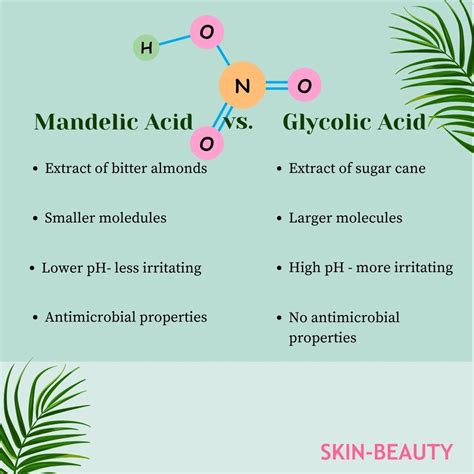
Mandelic Acid is an alpha hydroxy acid (AHA) that exfoliates the skin's surface by breaking the bonds holding dead skin cells together, revealing smoother and brighter skin. It is particularly effective in addressing various skin concerns, including dullness, uneven texture, and hyperpigmentation.
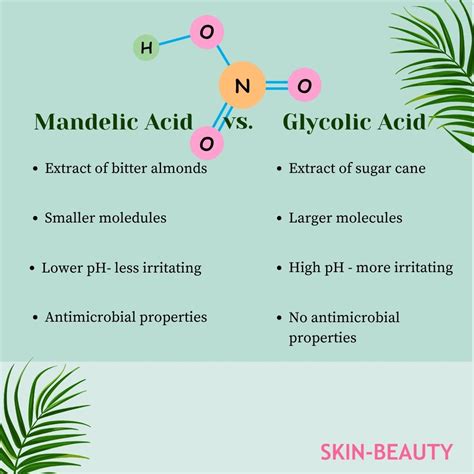
Due to its larger molecular size compared to glycolic acid, Mandelic Acid penetrates the skin more slowly and evenly, making it a gentler option with less irritation. This characteristic makes it suitable for sensitive skin or those new to AHAs. Despite its mildness, Mandelic Acid is an effective exfoliant that improves skin texture and tone over time.
What sets Mandelic Acid apart from other AHAs are its antibacterial and antioxidant properties. These traits make it beneficial for acne-prone or problematic skin, as it can reduce active breakouts and fade post-acne marks. Studies suggest that Mandelic Acid, especially when combined with salicylic acid, can significantly reduce pimples and hyperpigmentation with fewer side effects than stronger acids.
For at-home use, Mandelic Acid is effective in concentrations of 5% and up, with an ideal pH range of 3-4. As with other AHAs, daily sunscreen use is crucial to protect newly exfoliated skin. However, Mandelic Acid is light-sensitive, so it should be stored in opaque containers to maintain its stability and effectiveness.
In summary, Mandelic Acid is a gentle yet potent AHA that exfoliates, brightens, and clarifies the skin while minimizing irritation.
Key Ingredients and Their Functions
Ethoxydiglycol is a synthetic solvent used to maintain ingredient stability and ensure even distribution within a product.
Pentylene Glycol serves multiple purposes in skincare. It is typically used to thicken products and imparts a smooth, soft, and moisturizing feel. Naturally found in plants like sugar beets, its hydrophilic nature makes it a humectant, drawing moisture from the air to the skin and aiding hydration. Pentylene Glycol also enhances texture, thickens or stabilizes products, and acts as a mild preservative.
Some individuals may experience mild eye and skin irritation from Pentylene Glycol, so consulting a professional is recommended.
Methylpropanediol functions as both a synthetic solvent, aiding in ingredient dissolution and even distribution, and a humectant. It also possesses antimicrobial properties, acting as a preservative booster.
Acetyl Glucosamine is an antioxidant and humectant, an amino acid sugar naturally found in the skin. It stimulates the skin's production of hyaluronic acid, thereby boosting hydration.
Sodium Hyaluronate is the salt form of hyaluronic acid, commonly derived from its sodium salt. Like hyaluronic acid, it is highly effective at retaining water and acts as a humectant.
Salicylic Acid, also known as beta hydroxy acid (BHA), is renowned for treating acne and clogged pores. It exfoliates both the skin's surface and deep within the pores, helping to clear buildup, control oil, and reduce inflammation. As an oil-soluble acid, salicylic acid penetrates pores effectively, making it ideal for treating blackheads and preventing future breakouts. It also offers soothing properties and is approved by the FDA as an over-the-counter topical acne product.
Salicylic acid can cause irritation or dryness if the skin's moisture barrier is already compromised. It is advisable to focus on barrier repair before introducing this ingredient. While salicylic acid does not increase sun sensitivity, daily sunscreen use is still important.
Xanthan gum is a stabilizer and thickener in cosmetic products, providing a desirable texture and preventing products from being too runny. Technically, it is a polysaccharide composed of multiple sugar molecules bonded together.
Lecithin refers to a group of substances found in plant, animal, and human cell membranes, composed of phospholipids. It possesses emollient and emulsifying properties, softening the skin and forming a moisture-retaining barrier. As an emulsifier, it prevents oil and water ingredients from separating and aids in ingredient absorption through the formation of liposomes, which facilitate penetration of the skin barrier. Depending on its source (e.g., soybean oil), lecithin may not be fungal acne safe, as it can potentially feed malassezia yeast. It is recommended to inquire with the brand about the source of lecithin used.
Phenoxyethanol is a preservative with germicidal, antimicrobial, and aromatic properties. It prevents microbial growth and has a scent similar to roses. It is often used with Caprylyl Glycol to preserve product shelf life.
Sclerotium Gum, a polysaccharide gum produced by the fungus Sclerotium rolfssii, is similar to xanthan gum. In cosmetics, it is used to thicken texture and stabilize other ingredients.
Pullulan is a low-viscosity polysaccharide with binding and film-forming properties when dissolved in water. It creates a silky, "silicone-like" feel without adding viscosity and acts as an effective carrier for active ingredients. Produced from starch, Pullulan is stable across a broad pH range.
Ethylhexylglycerin, often paired with preservatives like phenoxyethanol, acts as a preservative and skin softener. It enhances the effectiveness of other preservatives.
Curcuma Longa Root Extract, derived from turmeric, offers anti-inflammatory, antioxidant, and antimicrobial benefits. Curcumin, the active antioxidant in turmeric, neutralizes free radicals, potentially aiding in anti-aging and soothing irritation. It can also help prevent hyperpigmentation from sun damage and regulate sebum production, making it effective for acne treatment.
Trisodium Ethylenediamine Disuccinate is a chelating agent that stabilizes products by preventing metal ions from binding with other ingredients, thus avoiding unwanted reactions.
Tranexamic Acid: A Deep Dive
Tranexamic acid, originally developed for medical purposes, has become a significant ingredient in skincare for its ability to calm inflammation and reduce excess pigment. As a derivative of the amino acid lysine, it works by slowing down the signals that trigger increased pigment production in response to stress, inflammation, or healing from breakouts. When melanin production becomes overactive, leading to dark spots or uneven patches, tranexamic acid gently and gradually helps to regulate it.
A key advantage of tranexamic acid is its general tolerability across most skin types, including sensitive and acne-prone skin. This makes it an excellent alternative for individuals who have experienced irritation with stronger brightening agents.
3D Mode of Action | FAIRENCE® - A Novel Tranexamic Acid Cream for Melasma
Incorporating Tranexamic Acid into Your Routine
Tranexamic acid can be found in various skincare products such as serums, toners, and moisturizers. For those new to the ingredient, starting with a serum containing a low concentration is often recommended. This can be applied before moisturizer and sunscreen during the day, or after cleansing at night.
Tranexamic acid pairs well with hydrating and barrier-strengthening ingredients and is compatible with most other active ingredients. Consistency is crucial for optimal results, and regular use, even a few times a week, is beneficial. Like all brightening ingredients, tranexamic acid performs best when complemented by daily sunscreen use, as UV protection is essential in managing pigmentation.
Recommended Application Practices
Do's:
- Start with a low concentration or use it a few times a week, gradually increasing frequency as tolerated. This allows your skin to adjust and ensures long-term tolerance.
- Protect your skin from UV exposure consistently. Daily sunscreen use prevents new pigmentation from forming while helping existing spots fade.
- Maintain a balanced routine. Hydrating and barrier-supporting products (e.g., ceramides, hyaluronic acid) enhance the efficacy of tranexamic acid and minimize the risk of dryness or sensitivity.
Don'ts:
- Avoid combining it with strong exfoliating acids or retinoids simultaneously. Overloading the skin with multiple actives can lead to irritation and counteract its calming benefits.
- Do not expect overnight results. Tranexamic acid requires time, with visible improvements typically appearing after several weeks of consistent use.
Adequate moisture is essential for maintaining the skin barrier, which helps all brightening ingredients work more effectively.
Several products feature tranexamic acid, including:
- Minimalist 3% Tranexamic Acid Face Serum
- Fixderma 10% Tranexamic Acid Serum
- Plix 3% Tranexamic Acid Skin Perfecting Dewy Face Serum & Pineapple Foaming Face Wash Combo
- Foxtale Rapid Spot Reduction Drops
- mCaffeine Clear Glow 3% Tranexamic 2% Alpha Arbutin Advanced Pigmentation Serum Treatment
tags: #minimalist #3 #tranexamic #acid #face #serum