Dehumidifier bags are not a substitute for airflow, but they are a legitimate, low-risk stopgap when used correctly. In basement closets with persistent humidity (≥60% RH), it is recommended to place one 1.3-kg silica gel bag per 50 ft³ of enclosed space. These bags should be replaced every 4-6 weeks and immediately paired with passive ventilation. This can be achieved by slightly cracking the door, installing louvered panels, or adding a quiet 20 CFM exhaust fan on a timer. It is important to monitor humidity levels with a hygrometer; if readings consistently stay above 55% RH after two weeks, structural fixes should be prioritized over using more bags. This approach helps prevent mold, preserves garment integrity, and avoids a false sense of security.
Understanding the Challenges of Basement Closets
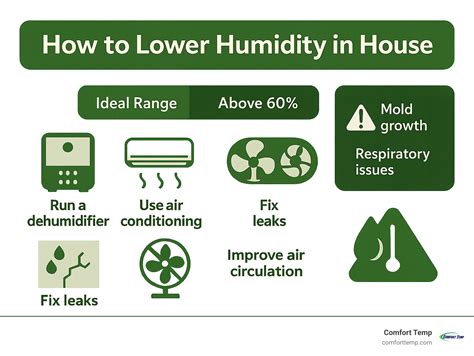
Basement closets face a triple threat: cool surfaces, poor air exchange, and ambient ground moisture. Silica gel or calcium chloride dehumidifier bags absorb water vapor from stagnant air. However, they do not address condensation forming inside walls, under flooring, or behind shelving. Their value lies not in "solving" dampness, but in buying time while root causes are addressed. A dehumidifier bag is only worthwhile if you are actively improving airflow and monitoring results. It becomes counterproductive-or worse, dangerous-if treated as a permanent fix.
Many users misinterpret dry fabric surfaces as indicative of "dry air," ignoring hidden saturation in insulation or subflooring that fuels mold spores long after the bag is saturated. Silica gel bags can reduce surface-level RH by 5-12% in tightly sealed enclosures, but basement closets are rarely perfectly sealed. Without forced or passive air movement, their effect diminishes significantly within 72 hours.
Effective Use of Dehumidifier Bags in Closets
A common myth suggests that if one bag helps, three will solve the problem. This is not only ineffective but actively misleading. Overloading a closet with desiccant can create micro-zones of ultra-low humidity near the bags and saturated pockets elsewhere, accelerating static cling, leather cracking, and synthetic fiber degradation. More importantly, it delays the recognition that air circulation is insufficient.
A superior practice involves using one precisely sized bag, verifying airflow with a tissue test (hold near a door crack-it should flutter gently), and tracking RH trends for 14 days before making adjustments. The process can be broken down into several steps:
- Measure baseline RH: Measure baseline RH for 72 hours using a calibrated digital hygrometer placed at the closet center, 3 feet off the floor.
- Install passive airflow: Drill 8-12 evenly spaced ½-inch holes in the bottom third of the door and 8-12 in the top third, or fit a louvered panel.
- Place the dehumidifier bag: Place one 1.3-kg silica gel bag on a middle shelf, away from direct contact with garments. Weigh the bag weekly to gauge its saturation rate.
- Compare RH logs: After 14 days, compare RH logs. If the average remains above 55%, consider adding a timed exhaust fan-not another bag.
- Consider sensitive materials: Never store wool, silk, or archival paper in basement closets without active climate verification, even with dehumidifier bags.
Addressing Specific Concerns and Scenarios
Moisture Absorber Bags in Shared Walls
If you have a walk-in closet that shares a wall with your basement, and the closet itself is above grade and well-sealed, you can use moisture absorber bags. However, if the shared wall is uninsulated concrete or block, moisture can migrate inward. In such cases, insulating that wall should be prioritized, as bags alone won't interrupt capillary wicking.
Moth Prevention
Dehumidifier bags do not prevent moth damage. Moths thrive at 40-70% RH and are attracted to keratin, not humidity. While low RH might slightly slow larval development, proper garment sealing, cedar blocks, and regular inspection are far more crucial.
Musty Odors Despite Dry Bags
If your dehumidifier bag feels wet but the closet still smells musty, it's because surface absorption doesn't eliminate microbial growth in carpet padding, drywall paper, or wood framing. Mustiness signals active mold metabolism, requiring source removal rather than just a desiccant.
Reusable vs. Disposable Dehumidifier Bags
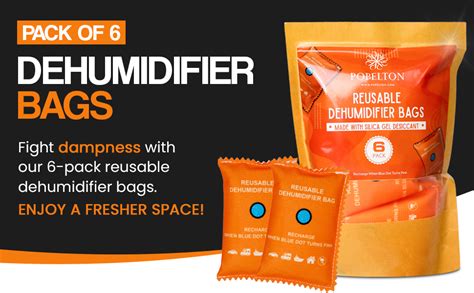
Reusable dehumidifier bags are only better if you consistently bake them at correct temperatures (120°C for silica, 180°C for clay) for full regeneration. Most home ovens lack the precision for complete reactivation, potentially leading to residual moisture reintroduction.
Benefits of Moisture Absorber Boxes
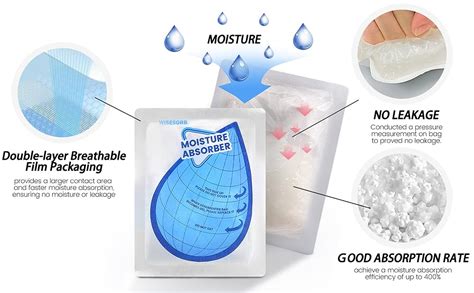
Moisture Absorber Boxes are special bags designed to remove excess moisture from the air, making environments more comfortable, healthier, and cost-effective. High humidity levels can make indoor spaces feel stuffy and uncomfortable, leading to condensation on windows, walls, and floors, resulting in dampness and musty odors. These boxes help regulate indoor humidity levels, creating a more pleasant environment.
Lower humidity levels also reduce the likelihood of mold and mildew growth, which can damage furniture, clothes, and other items. The continuous use of Moisture Absorber Boxes helps achieve ideal household comfort levels and eliminates musty odors, preventing their formation in enclosed or poorly ventilated spaces such as bathrooms, basements, and closets.
Improving Indoor Air Quality and Energy Efficiency
Excess moisture can contribute to poor indoor air quality, potentially leading to respiratory problems such as asthma and allergies. Mold and dust mites thrive in humid environments, triggering allergic reactions like sneezing, coughing, and skin irritation. Moisture Absorber Boxes minimize these risks by removing excess moisture from the air, reducing the presence of allergens and pollutants.
Dampness can also lead to uncomfortable coldness in rooms, aggravating rheumatic and muscular aches. Controlling dampness is key to achieving optimal air quality. Furthermore, high humidity levels make it harder for air conditioners to function efficiently, increasing energy consumption. By reducing indoor humidity, dehumidifiers make it easier for air conditioning units to cool the space, leading to lower energy costs. Additionally, dehumidifiers can protect household items like electronics, books, and artwork from damage caused by excess moisture, thereby reducing repair expenses and keeping property in good condition.
Clevast Moisture Absorber Bags: A Practical Solution
In the battle against excess moisture, maintaining a dry and comfortable home environment is essential for both comfort and preservation. Moisture buildup fosters the growth of mold and mildew, can damage belongings, and compromises indoor air quality. Clevast moisture absorber bags offer an innovative solution.
Clevast moisture absorber bags feature advanced spherical calcium chloride particles that efficiently absorb excess moisture, with the process made visible through a transparent water bag. They are easy to use: simply remove the outer plastic bag, unfold the absorber bag, and hang it in the desired location. The bags come with a strong hook, ready for immediate use. Once the bag has completed its dehumidifying cycle, it can be disposed of in the trash, as the contents are safe and do not contain harmful chemicals.
Review: CLEVAST Moisture Absorber Boxes 6 Pack, 10 Oz Dehumidifier for Closet & Bathroom, Humi...
How Moisture Absorber Bags Work
Moisture absorber bags are small, simple-to-use packets that absorb excess moisture from the air within enclosed areas. Inside each bag are round calcium chloride particles that act like magnets for moisture, making them effective in any damp area. Depending on the humidity in your space, Clevast bags can start collecting water in as little as 3-5 days in high-humidity areas and can last up to 60 to 110 days, depending on the product.
The transparent crystals that may form in low humidity are completely normal. It is advisable to check the packaging as soon as the bags arrive. Moisture absorber bags provide a simple, mess-free solution to humidity problems in your home.