Moisture-wicking fabrics are designed to keep athletes cool and dry during physical activity. While companies often promote these products as essential for performance in hot conditions, independent, peer-reviewed studies conclusively demonstrating their impact on thermoregulation and performance are still limited. Understanding how these fabrics work and their potential benefits is key to making informed choices.
Understanding Thermoregulation and Sweat
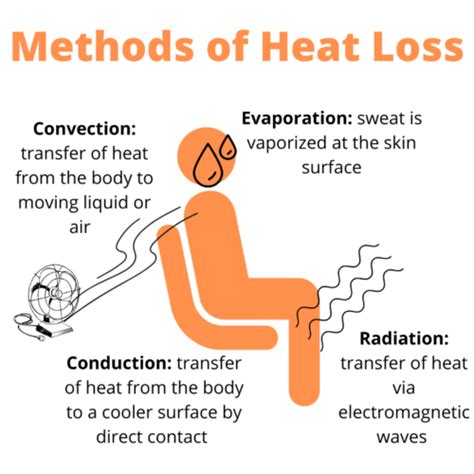
Thermoregulation during exercise is crucial for balancing the heat produced by the body with adequate heat loss. Inadequate thermoregulation can lead to heat-induced fatigue, increased cardiovascular strain, and in severe cases, serious health consequences. The primary mechanism for heat loss during exercise is evaporation, which occurs when sweat on the skin turns into vapor. Clothing can act as a barrier to this process.
The Technology Behind Moisture-Wicking
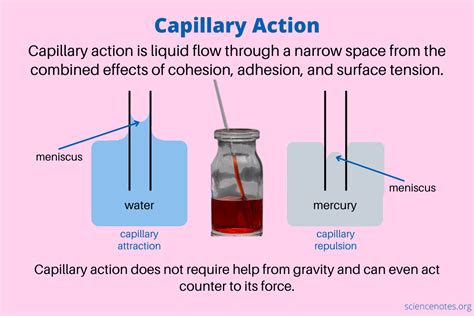
The term "wicking" refers to the process of using capillary action to draw moisture away from the skin. Capillary action is the ability of a liquid to flow in narrow spaces without the assistance of, or even in opposition to, external forces like gravity. This same principle is observed in how water travels up a tree from its roots, climbs a paper towel dipped in water, or how wax rises up a candle wick.
Moisture-wicking fabrics utilize hydrophilic fibers (from Greek "hydro" meaning water, and "philos" meaning loving). These fibers actively draw sweat away from the skin and transport it through the garment to the outer surface, where it can evaporate into the air more efficiently.
Capillary Action in Fabrics
Moisture-wicking relies on capillary action, the movement of a liquid (sweat) through tiny spaces within a fabric due to the molecular forces between the liquid and the fabric's internal surfaces. Brands enhance this process by engineering the structure of yarns and applying specific treatments to the fabric's surfaces. The finer the diameter of the fibers, the more individual fibers can be incorporated into a yarn, creating more channels for sweat to travel along.
Fabric Structure and Fiber Properties
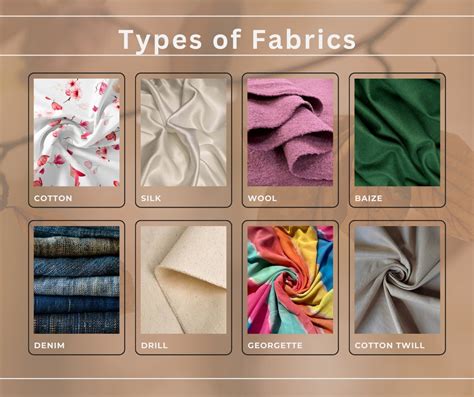
The effectiveness of moisture-wicking depends on the fabric's fiber composition and structure. While natural fibers like cotton are highly absorbent, they are not efficient at transporting moisture to the outer layer for evaporation. Synthetic materials, such as polyester, are less absorbent but excel at spreading and moving water vapor away from the skin, helping to keep the wearer dry.
Some advanced technologies, like the 8C microporous structure, feature a unique groove design that creates a powerful siphon effect, accelerating moisture transport. Microfiber technology also plays a role, as finely crafted fibers create a larger surface area, leading to more pores and efficient moisture transport.
Types of Moisture-Wicking Fabrics
Moisture-wicking fabrics are available in various materials, each with unique properties:
- Polyester: A popular synthetic choice, polyester is durable, lightweight, and breathable, making it suitable for a wide range of activities.
- Polypropylene: Another effective synthetic material known for its moisture-wicking capabilities.
- Nylon: This breathable synthetic offers a comfortable, flexible fit and is a common choice for moisture-wicking apparel.
- Merino Wool: While wool absorbs some moisture, it does so efficiently without feeling wet against the skin. Its crimped fibers help maintain dryness and provide warmth, making it excellent for cooler weather workouts. Merino wool fibers are thinner than traditional wool, resulting in lighter garments.
- Proprietary Blends: Many brands develop their own fabric technologies, often blending synthetics like polyester, nylon, and spandex to optimize moisture-wicking, breathability, and comfort. For example, Nike's Dri-FIT and Fieldsheer's DriComfort® fabric utilize specialized constructions and infused particles to enhance moisture and heat management.
Fabrics to Avoid
Certain fabrics are less suitable for moisture-wicking applications:
- Cotton: This natural fiber readily absorbs sweat and dries very slowly, leading to a heavy, clammy, and uncomfortable feeling. In cooler conditions, wet cotton can also cause significant heat loss, known as the "after-chill" effect.
- Silk and Linen: While they may offer cooling properties, these fabrics are not effective at wicking moisture away from the skin.
Benefits of Moisture-Wicking Hoodies and Apparel
Wearing moisture-wicking clothing offers several advantages, particularly during physical activity or in challenging environments:
- Enhanced Comfort: By moving sweat away from the skin and facilitating rapid evaporation, these fabrics help keep the body dry, reducing the uncomfortable sticky and clammy sensation associated with wet clothing.
- Temperature Regulation: Staying dry aids the body's natural cooling process, helping to maintain a more optimal body temperature during exercise and preventing overheating.
- Reduced Odor: Damp environments are breeding grounds for odor-causing bacteria. Quick-drying moisture-wicking fabrics minimize the time moisture lingers on the skin and fabric, thus reducing the potential for odor development. Some fabrics are also treated with antimicrobial agents, like cinnamon extracts, to further inhibit bacterial growth.
- Improved Performance: Discomfort from sweat-soaked clothing can be a distraction, potentially hindering focus and performance. By maintaining comfort, moisture-wicking apparel can contribute to better endurance and overall athletic achievement. Studies suggest that athletes wearing moisture-wicking fabrics may experience improved endurance and less fatigue during high-intensity activities.
- Skin Health: The quick-drying properties help prevent prolonged exposure of the skin to moisture, reducing the risk of chafing, irritation, and potential skin issues.
- Versatility: Beyond activewear, moisture-wicking technology is increasingly integrated into everyday clothing, sleepwear, and workwear, providing comfort and dryness in various situations, including hot and humid climates, physically demanding jobs, and for individuals experiencing night sweats or hot flashes.
Pro Dry® Tech: Moisture-Wicking Demonstration
Considerations and Care
While there are numerous benefits, it's important to note that the performance of moisture-wicking garments can vary based on fabric composition, garment fit, and external conditions. Some studies suggest that in mild to moderate exercise conditions, synthetic fabrics may not offer a significant thermoregulation advantage over natural fibers. It's also worth noting that some synthetic performance apparel can retain odors more readily than natural fibers unless treated with specific anti-odor technologies.
To maintain the effectiveness of moisture-wicking fabrics, avoid using fabric softeners. Fabric softeners can leave a waxy residue that interferes with the fabric's moisture-wicking properties, essentially trading performance for a softer feel. Always check and follow the specific care instructions on the garment's label for optimal results.
When shopping for moisture-wicking apparel, don't get too caught up in marketing claims or laboratory test results, as there isn't a standardized testing method across brands. Focus on understanding the basic principles and choosing fabrics known for their wicking capabilities, such as polyester, nylon, polypropylene, and merino wool.