The skin serves as our primary interface with the world, making a significant first impression. Consequently, it's unsurprising that an increasing number of individuals are seeking dermatological solutions for both medical and cosmetic concerns. The field of cosmetic dermatology, in particular, has experienced remarkable advancements, offering patients a safe array of aesthetic treatment options. At Dermatology Associates of Fairfield County, we have been dedicated to enhancing our clients' skin confidence for over three decades, establishing a strong reputation for exceptional patient care. Our commitment to continuous education and the utilization of cutting-edge technology ensures that our patients receive the most advanced and effective treatments available.
Understanding Moles
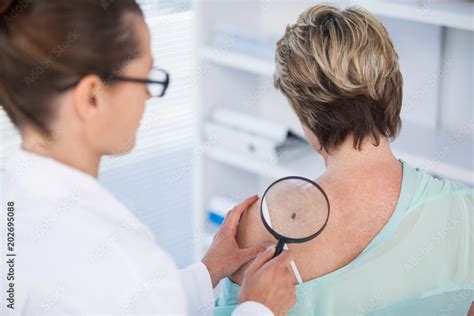
Moles, also known as nevi, are common and typically benign skin growths that arise from clusters of melanocytes. Melanocytes are the cells responsible for producing melanin, the pigment that gives our skin its color. These cells can sometimes group together, forming a mole. While most moles are harmless, changes in their appearance can sometimes indicate a risk of melanoma, a serious form of skin cancer. Regular mole checks are therefore an essential component of maintaining overall skin health.
What are Moles?
Moles are common normal growths of the skin due to nests of cells called melanocytes. Melanocytes are the cells in our skin responsible for the development of pigmentation. Most people live with some moles on their skin. This is entirely normal, and they can be removed if unsightly or in an area that causes physical problems. Most people have several moles. They develop during childhood, although some patients develop new moles in adulthood. Moles are caused by a clustering of melanin, which gives skin its color.
Types of Moles and When to Seek Medical Attention
Most moles never develop into anything other than a small, round brown spot on the skin's surface. However, with unprotected and repeated sun exposure and aging, their number may increase. It is highly recommended, particularly by dermatologists and plastic surgeons, to apply sunscreen daily to all exposed skin surfaces to protect against sun damage and premature aging. An atypical (or dysplastic) mole simply appears unusual and requires professional examination and regular follow-up. If you or your physician identifies an atypical mole, it should be examined annually, and you should be advised to report any changes promptly. Some moles can change in color, shape, and size. When significant changes occur, physicians often recommend removal. A sample of the mole is routinely sent for pathological evaluation to determine if it is benign (non-cancerous) or malignant (cancerous).
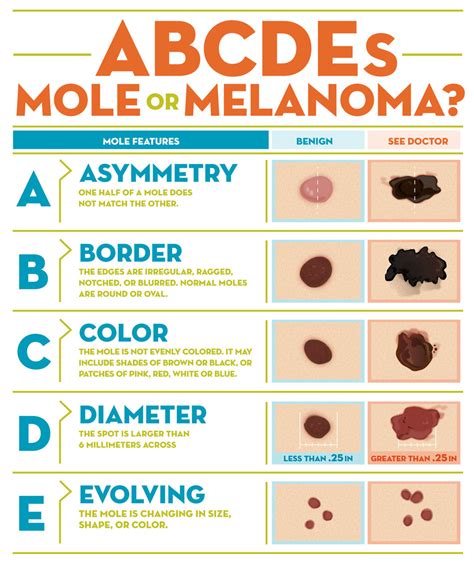
When a mole changes to a degree that is considered abnormal, the individual is often aware of these alterations. Key indicators to watch for, often remembered by the ABCDEs of melanoma detection, include:
- Asymmetry: A normal mole is symmetrical; one half does not look like the other.
- Border: The border of a normal mole should be smooth and even. Irregular or notched borders can be a concern.
- Color: A normal mole is typically a uniform shade of brown. Variations in color, including different shades of brown, black, tan, or even red, white, or blue, warrant attention.
- Diameter: While moles can vary in size, melanomas are often larger than 6 millimeters (about the size of a pencil eraser) when diagnosed, although they can be smaller.
- Evolution: This refers to any changes noticed over time, including changes in size, shape, color, elevation (raised or bumpy), or new symptoms like itching or bleeding.
If there is any rapid growth, pain, bleeding, itching, scabbing, or change in color, the mole should be biopsied. A biopsy procedure will provide your medical team with a diagnosis to determine if the mole requires removal.
Mole Removal Procedures in Fairfield County
Moles can be bothersome for various reasons. In some cases, their development may signal skin cancer. Additionally, moles can be unattractive, large, raised, or even hairy. They can appear anywhere on the body, but those on the face are often the most noticeable. When a mole is removed, whether for cosmetic or medical reasons, the procedure can typically be performed in an office setting under local anesthesia. The mole is removed with a small incision, strategically placed to achieve the best cosmetic outcome. The removal of moles that may indicate the presence of cancer or those that have been biopsied and show atypia is often covered by insurance.
Surgical and Non-Surgical Removal Options
The process of removing a mole, including atypical moles, is generally straightforward and can be accomplished in a medical office using several methods. For any mole removal in Fairfield County, surgeons can first numb the area to ensure patient comfort. If the mole is small, it can be removed by "shaving" it off with a scalpel, freezing it with liquid nitrogen, or using cauterization with a laser. These procedures typically do not require stitches.
If the mole is irregular in shape or larger, surgical excision may be necessary. In this procedure, the area is numbed, and the mole, along with a small margin of healthy surrounding tissue, is carefully removed. Our Connecticut mole removal specialists, whether for cosmetic purposes or medical necessity, aim to minimize scarring. The resulting scar may fade over time, depending on factors such as your age, general skin condition, history of abnormal scarring (keloids), the mole's size, the removal technique used, and its location. If scarring is a concern, specific products designed for scar reduction may be recommended.
Post-Procedure Care and Scarring
Most mole removal sites require minimal aftercare. It is important to keep the area clean and follow up with your doctor if necessary. When stitches are required, they may be dissolvable or require a follow-up appointment for removal. The majority of removal sites heal within two to three weeks. However, exposed areas may be more susceptible to sunburn if not protected. If you are considering mole removal for cosmetic reasons, selecting a plastic surgeon skilled in techniques that minimize scarring is crucial, especially for facial moles.
Following surgery, patients can typically remove bandages the day after the procedure. The incision and stitches should be cleaned twice daily using a clean cotton swab and peroxide. Bandages can be reapplied, or an antibacterial ointment can be used several times a day to protect the incision site and maintain moisture. Fairfield County mole removal patients usually have a follow-up appointment about a week after surgery to have sutures removed and ensure proper healing. Once healing is complete, patients can begin a regular scar massage routine to help prevent scar tissue buildup. Scars should be protected from the sun at all times or covered with SPF 30 sunscreen.
Expert Dermatologists and Plastic Surgeons in Fairfield County
At Aesthetic Dermatology of Fairfield County, you benefit from treatment by a board-certified, Harvard-trained dermatologist with over 25 years of experience addressing a wide spectrum of common and rare skin conditions. Our team is adept at quickly and comprehensively treating even the most complex dermatological issues. Dr. Littzi is particularly skilled at detecting early signs of skin cancer and promptly recommending aggressive, comprehensive treatment plans to promote a positive prognosis. Patients can consistently expect an honest skin evaluation from Dr. Littzi.
For those seeking mole removal for cosmetic purposes, Dr. David Passaretti, a respected plastic surgeon with teaching privileges at Columbia and Yale Universities, possesses the experience and artistic technique to remove moles with virtually unnoticeable scarring. His extensive surgical background has allowed him to refine his incision and suturing techniques. Dr. Passaretti uses a localized anesthetic to ensure patient comfort during the procedure. He employs a small incision to remove the mole, which is then sent for biopsy. After removal, Dr. Passaretti gently brings the edges of the incision together and closes them with a few precise stitches. Many local dermatologists refer patients to Dr. Passaretti due to his meticulous suturing technique. Patients can remove the bandaging covering their incision the day following surgery.
If you are considering plastic surgery in Darien, CT, or anywhere in Fairfield County, we encourage you to contact our office to schedule a personalized consultation with Dr. Passaretti to learn more about mole removal and other procedures we offer.

Other Dermatological Services
Our practice offers a comprehensive range of dermatological services to address various skin concerns:
- Skin Tags: These growths, often caused by aging, hormonal changes, or friction, can be unsightly and are effectively treated.
- Eczema: Whether mildly uncomfortable or debilitating, eczema can be managed with numerous available treatments, including topical options and new oral medications for severe cases.
- Warts: These viral infections are easily treated with topical medical therapy.
- Pregnancy Skin: Pregnant women are advised to avoid toxic cosmetic products or prescriptions unless absolutely necessary.
- Nails: Nail health can reflect overall body health, with conditions like iron deficiency and poor nutrition sometimes manifesting in the nails.
- Pediatric Dermatology: Infants and toddlers may experience specific dermatoses requiring medical intervention. Dr. Littzi has experience working with pediatric dermatologists at Children's Hospital in Boston.
- Hair Loss: Hair loss in both men and women can be complex, with causes ranging from stress and hormones to vitamin deficiency, genetics, or other physical/chemical factors. Accurate diagnosis is crucial before initiating therapy. Dr. Littzi conducts thorough evaluations when necessary to diagnose and treat hair conditions.
- Scars: Early intervention therapies such as IPL, injections, and Fraxel can effectively treat scars.
For more information or to schedule an appointment, please contact us at (203) 227-0837.