Eczema, also known as atopic dermatitis, is a chronic inflammatory skin condition characterized by dry, itchy, and inflamed skin. It is a common condition that affects people of all ages, from infants to adults. Eczema flare-ups can be triggered by various factors, including environmental irritants, stress, changes in temperature or humidity, certain foods, and allergens.
The constant itching, redness, and discomfort associated with eczema can significantly impact an individual's quality of life, leading to sleepless nights, decreased productivity, and emotional distress. The fear of triggering a flare-up can also lead individuals to avoid certain activities, foods, or environments, limiting their daily lives. Caring for eczema-prone skin can also be time-consuming and costly, requiring frequent applications of creams and specialized products.
The Importance of Proper Skincare for Eczema
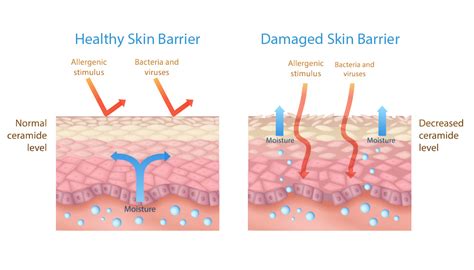
Proper skincare is essential for managing eczema and preventing flare-ups. The skin's natural barrier is compromised in individuals with eczema, making it more susceptible to irritants and allergens. Traditional soaps and cleansers can further strip the skin of its natural oils, leading to dryness, irritation, and potential eczema flare-ups.
Many mainstream products contain harsh chemicals, fragrances, and surfactants that can aggravate eczema-prone skin. Therefore, gentle, fragrance-free, and hypoallergenic products are generally recommended. These products are formulated to cleanse without disrupting the skin's natural barrier or causing further irritation. Moisturising is also crucial for eczema management, as eczema causes the skin to lose moisture, leading to dryness and itching. Using a gentle, fragrance-free moisturizer immediately after bathing can help lock in moisture and prevent further dryness.
Understanding Baby Skin and Eczema
When babies are born, their skin is not fully mature and requires extra care. Experts generally do not recommend soap for babies, especially those with dry skin or eczema. Babies' skin has three main functions: to prevent infection, the loss of water from the body, and the entry of irritants and allergens. For the skin to perform these functions, it needs to be at the right pH and remain intact to form a barrier.
Babies' skin is particularly prone to dryness, which can disrupt the barrier function and lead to various issues, such as infection and eczema. Soaps and soap-based cleansers are naturally alkaline (pH around 10), which can disrupt the skin's natural acidic pH (around 4.9-6.4) and remove essential lipids and natural moisturizing factors (NMF). This can cause irritation and other problems.
Alternatives to Traditional Soap for Babies
Synthetic cleansers are often more suitable for babies as they are typically neutral or acidic and can be formulated to be especially mild, often containing emollients and other protective ingredients. A European panel of skincare experts recommended cleaning babies' skin with either plain water or liquid cleansers that are free from known irritants, are neutral or mildly acidic (pH 5.5-7), and have minimal effect on the skin's surface.
A 2019 trial in China compared different infant skincare routines. The study concluded that using a mild liquid baby wash (cleanser) followed by a moisturizing baby lotion had advantages over using water only or water followed by lotion, in terms of retaining skin moisture, pH, and barrier function.
The Role of Goat Milk Soap in Eczema Management
Goat's milk soap is a natural bar soap that uses goat's milk in its formula instead of cow's milk. Like other natural soaps, it's made from lye mixed with fats and oils, with fats from goat's milk being a primary component. Some individuals with a cow's milk sensitivity may prefer goat's milk soap due to its different molecular structure.
Potential Benefits of Goat Milk for Eczema
While extensive research specifically proving goat's milk soap as an eczema treatment is limited, several of its components offer potential benefits for skin health:
- Natural Exfoliant: Goat's milk contains lactic acid, a gentle alpha-hydroxy acid (AHA) that helps dissolve dead skin cells, revealing healthier skin cells underneath and encouraging cell turnover.
- Probiotics: Lactic acid in goat milk also contains probiotics. Oral probiotics using lactic acid bacteria have shown promise in treating eczema in infants, suggesting topical application might also be beneficial.
- Moisturization: Lactic acid, combined with the natural fats and oils in goat's milk, acts as a natural humectant. This can help strengthen the skin barrier and seal in moisture, making well-hydrated skin more resistant to eczema flare-ups.
Ingredients in Natural Eczema Soothing Soaps
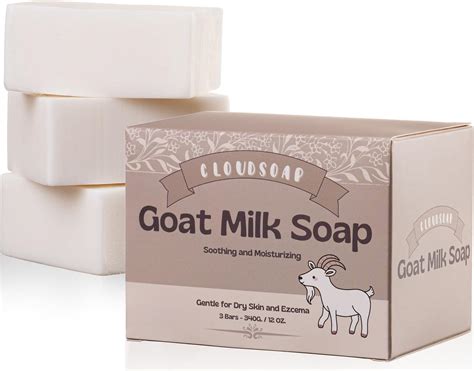
Natural eczema soothing soaps, like those from The Little Goat Soap Company, are carefully crafted with ingredients known for their skin-soothing and nourishing properties:
- Goat Milk: Rich in vitamins, minerals, and natural fats, it helps lock in moisture, soothe irritation, and promote skin healing.
- Coconut Oil: A natural emollient that deeply hydrates and nourishes the skin, with anti-inflammatory properties that can help reduce redness and itching.
- Shea Butter: Packed with vitamins and fatty acids, it intensely moisturizes, strengthens the skin's barrier function, prevents moisture loss, and protects against environmental irritants.
- Essential Oils: Carefully selected oils like lavender, patchouli, and neroli are incorporated for their therapeutic benefits.
How to Use Eczema Soothing Soaps
To maximize the benefits of eczema soothing soaps and effectively cleanse your skin:
- Wet Your Skin: Start by wetting your skin with lukewarm water.
- Lather Up: Take a small amount of the eczema soothing soap and gently lather it between your hands.
- Gentle Cleansing: Using your hands or a soft washcloth, gently massage the lather onto your skin in a circular motion.
- Rinse Thoroughly: Rinse your skin well with lukewarm water.
- Pat Dry: Gently pat your skin dry with a soft, clean towel, avoiding rubbing.
It is essential to identify and avoid potential triggers that can exacerbate eczema, such as stress, harsh chemicals, certain fabrics, and extreme temperatures. Maintaining proper skin hydration is also crucial. Consider incorporating nourishing lotions into your daily routine and taking lukewarm baths or showers for short durations to prevent further drying.
Bath Time Routine for Babies with Eczema Prone Skin | Mustela
Choosing Natural Skincare for Eczema
The skincare products you choose can significantly impact the health and comfort of eczema-prone skin. Harsh chemicals and synthetic ingredients in conventional products can further irritate and exacerbate symptoms. Natural skincare products offer several benefits:
- Soothing Properties: Natural ingredients like goat milk, shea butter, and coconut oil hydrate and replenish the skin's natural moisture barrier.
- Reduced Irritation: Natural products are less likely to contain harsh chemicals, fragrances, and preservatives that can trigger eczema flare-ups.
- Anti-inflammatory and Antimicrobial Effects: Many natural ingredients possess properties that can help reduce redness, swelling, and the risk of secondary infections.
- Promotes Well-being and Sustainability: Opting for natural products supports a healthier lifestyle and more sustainable practices.
Considerations for Babies and Goat Milk Soap
Goat's milk soap is generally considered safe for babies and children. However, it's crucial to examine all ingredients, as some "all-natural" products can still trigger symptoms. Some studies suggest olive oil might worsen eczema symptoms in babies. If you are considering using goat's milk soap for your baby, consult their pediatrician, especially if the baby is under one year old.
It's important to remember that goat's milk soap is not a replacement for prescribed eczema treatments. Some children may have sensitivities, so testing a small amount first is advisable. A 2017 study noted that using goat's milk soap for inflammatory skin conditions might increase the likelihood of developing an allergic reaction to consuming goat's milk products later on, as absorbing certain ingredients through compromised skin barriers can lead to food allergies.
If you're interested in using goat's milk soap for eczema, consider products made from fresh goat's milk for potentially maximum benefits. You can also add a small amount of goat's milk soap to a warm bath for a soothing experience, ensuring it doesn't come into contact with the infant's eyes.
Where to Find Eczema-Relieving Soaps
Eczema-relieving soaps, including goat's milk varieties, are increasingly available. You can find them at health food stores, natural beauty suppliers, organic supermarkets, and some pharmacies.
While the evidence supporting goat's milk soap for eczema is largely anecdotal, research supports other skin benefits that may aid in eczema management. For most people, trying goat's milk soap presents little harm. If you have a goat's milk allergy, it's best to avoid it. Always consult your child's pediatrician with any questions regarding using goat's milk soap for your child's eczema.
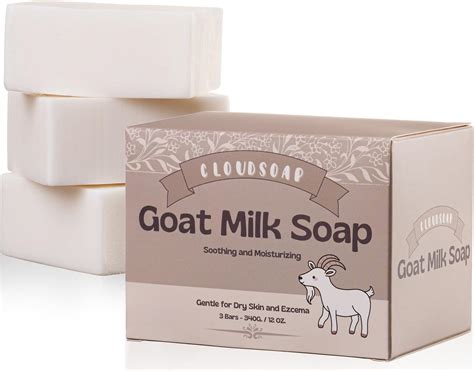
Eczema can be a frustrating condition, but finding the right skincare products can make a significant difference. The Little Goat Soap Company's eczema soothing products, with their unique blend of goat milk, shea butter, and coconut oil, offer a gentle and effective solution for sensitive, irritated skin. By incorporating these natural soaps into your daily skincare routine, you can experience improvements in your skin's health and overall comfort. Purchase your eczema soothing soaps today to take the first step towards healthier, more comfortable skin.