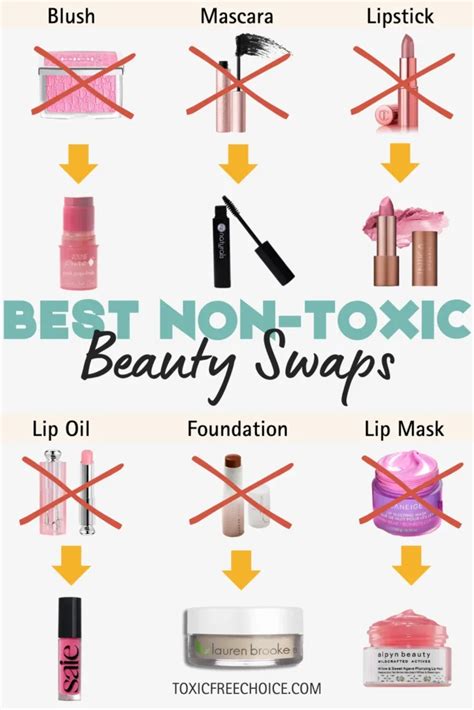
Your beauty routine should make you feel good-inside and out. However, it's essential to consider the composition of the products you use daily. Many skincare items, from moisturizers to makeup, can contain hidden chemicals detrimental to both your skin and the environment. The rise of non-toxic beauty offers safer, eco-friendly alternatives that do not compromise on efficacy.
Non-toxic beauty products are formulated without harmful chemicals such as parabens, phthalates, sulfates, and synthetic fragrances. These ingredients can lead to skin irritation, allergic reactions, or hormonal imbalances. Instead, non-toxic products utilize natural ingredients that nourish the skin without adverse effects. Choosing clean beauty involves not only the absence of harmful substances but also the presence of beneficial ones. Ingredients like essential oils, plant-based extracts, and minerals can effectively soothe, hydrate, and nourish your skin.
Transitioning to cleaner beauty is more than a fleeting trend; it represents a conscious decision with numerous advantages. Understanding the components of your personal care products is crucial for establishing a safer beauty regimen. To adopt a clean beauty routine, consider starting small by replacing frequently used items like cleansers or moisturizers. Researching trusted brands that prioritize transparency and sustainability is also key. For those who enjoy a personalized approach, creating simple DIY alternatives using ingredients like coconut oil, honey, and natural clays can be a rewarding option. Ultimately, prioritize what matters most to you, whether it's reducing chemical exposure, supporting ethical practices, or both. Your clean beauty routine deserves the same dedication as your overall wellness.
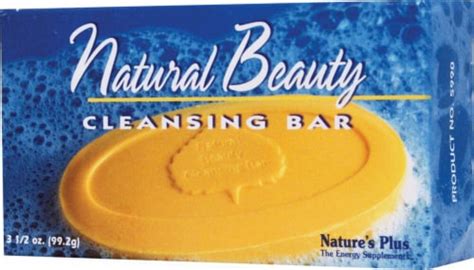
Key Features of Nature's Plus Natural Beauty Cleansing Bar
In Harmony with Your Body
This specially formulated cleanser is designed with a mildly acidic base (pH 4.5). This pH level helps maintain harmony with your skin's naturally protective acid mantle, which acts as a crucial barrier against harmful contaminants.
Soothing Ingredients
The cleansing bar incorporates humectants and emollients to help maintain the skin's delicate moisture balance and to soothe irritated skin. These are combined with 500 IU of vitamin E and the special astringent and healing qualities of allantoin.
Gentle Cleansing Action
Nature's Plus Natural Beauty Cleansing Bar is crafted from natural, organic ingredients and is not a soap. Unlike traditional soaps, it avoids harsh, irritating ingredients such as caustic soda, lye, tallow, hexachlorophene, and alkalis.
Quality Manufacturing
The product is manufactured in state-of-the-art facilities that maintain continuous adherence to cGMP compliance and superior standards. These facilities are also FDA and NSF registered, ensuring a high level of quality and safety.
Detailed Ingredient Breakdown
Moisturizing and Skin Barrier Support
- Tapioca Starch: Derived from the cassava root, this acts as a thickening agent and is considered an excellent talc replacement.
- Glycerin: Naturally present in the skin, glycerin is a powerful humectant that moisturizes and protects by drawing moisture into the skin, even into deeper layers. It helps improve the skin barrier, offering protection against irritants and bacteria. Glycerin also possesses antimicrobial and antiviral properties, often utilized in wound and burn treatments. Typically derived from plants, it is organic, colorless, odorless, and non-toxic.
- Helianthus Annuus Seed Oil (Sunflower Seed Oil): This non-fragrant emollient softens the skin and aids in ceramide creation, which is vital for repairing the skin barrier. Rich in vitamin E, it moisturizes and contributes to a rejuvenated, smoother skin appearance. Historically used by Indigenous cultures for skin and hair care.
- Simmondsia Chinensis (Jojoba) Seed Oil: A non-comedogenic oil known for its moisturizing properties, containing Vitamin E, an antioxidant that protects against oxidative damage. Jojoba oil acts as a humectant, drawing moisture from the air to keep skin hydrated. It also exhibits some antibacterial properties and has been traditionally used for moisturizing and treating burns. Its composition is similar to natural human sebum, making it effective for dry skin and potentially helping to regulate sebum production.
- Olea Europaea Fruit Oil (Olive Oil): This emollient traps moisture, soothing and softening the skin. Olive oil contains antioxidants like Vitamin E, which combat signs of aging by fighting free radicals, and vitamins A, D, and K. It possesses antibacterial and antifungal properties in low concentrations.
- Carthamus Tinctorius Seed Oil (Safflower Seed Oil): Rich in linoleic and oleic acids, along with Vitamin E, this oil is an effective moisturizer. Vitamin E nourishes the skin's lipid barrier and acts as a potent antioxidant. Safflower has a long history of use in dyeing fabrics and as a food substitute for saffron.
Cleansing and Exfoliation
- Bentonite: An absorbent clay known for its ability to absorb excess oil and provide exfoliation. It also demonstrates antibacterial and anti-inflammatory properties, effective in calming dermatitis. Bentonite can act as a barrier against toxic compounds and enhances the water resistance and longevity of sunscreens. It is naturally formed from volcanic ash.
- Cocamidopropyl Betaine: A surfactant and cleanser derived from coconut oil, it helps lift dirt and impurities for easy removal. It also contributes to a creamy texture. High-grade, pure Cocamidopropyl Betaine is considered hydrating and non-allergenic.
- Lactic Acid: A gentle alpha hydroxy acid (AHA) that exfoliates the skin's surface by loosening the bonds between dead skin cells, revealing smoother, brighter skin. It acts as a humectant, improving hydration and strengthening the skin barrier by boosting ceramide production. Lactic acid can also help balance the skin's microbiome. Modern lactic acid used in skincare is typically vegan, produced through non-dairy fermentation.
- Citric Acid: Naturally found in citrus fruits, it exfoliates by breaking down the bonds of dead skin cells. In cosmetic products, it is often used in small amounts as a pH adjuster to maintain compatibility with the skin's natural pH.
Soothing and Protective Properties
- Allantoin: A soothing ingredient known for its protective and moisturizing properties. It stimulates skin cell turnover and renewal, while also possessing mild keratolytic properties to gently shed dead skin cells. Allantoin can help calm inflammation and is considered non-sensitizing and non-irritating.
- Tocopheryl Acetate (Vitamin E): An antioxidant that protects the skin from free radicals, which can damage collagen. Combined with Vitamin C, it has shown a reduction in sunburned cells.
Other Ingredients
- Potassium Sulfate & Potassium Phosphate: Salts used to adjust the pH level of products, which is important for maintaining the skin barrier.
- Water: The most common cosmetic ingredient, essential for life and for product formulation.
- Citrus Limon Peel Oil (Lemon Peel Oil): Adds a lemon scent and possesses antibacterial, antifungal, and antioxidant properties. However, it contains limonene and furanocoumarin, which can cause phototoxicity and skin sensitization.
- Ci 77492 (Iron Oxide): Used to impart a yellow hue to products. Synthetically created versions are generally considered safer due to fewer impurities. Iron oxides are typically non-toxic and non-allergenic.