The NIOD Copper Peptide Serum, specifically the CAIS3 1:1, represents the third generation of NIOD's multi-award-winning copper amino isolate serums. This pro-collagen serum offers a novel approach to indirectly target all visible signs of skin aging.
Understanding the Core Ingredients
At the heart of effective skincare formulations lies a carefully selected blend of ingredients, each serving a specific purpose. In the context of NIOD's Copper Peptide Serum, several key components work synergistically to deliver its purported benefits.
Water (Aqua)
The most fundamental ingredient in many cosmetic formulations is water, or H2O. In skincare products, the water used is purified and deionized, meaning that nearly all mineral ions have been removed to ensure stability and efficacy of other ingredients.
Glycerin
Glycerin is a humectant, drawing moisture to the skin and helping to maintain hydration levels. It is a common and effective ingredient in skincare for its moisturizing properties.
Peptides: The Signaling Molecules
Peptides are short chains of amino acids, the building blocks of proteins. In skincare, they are often lauded for their ability to signal the skin to perform specific functions, such as collagen production.
Tripeptide-29
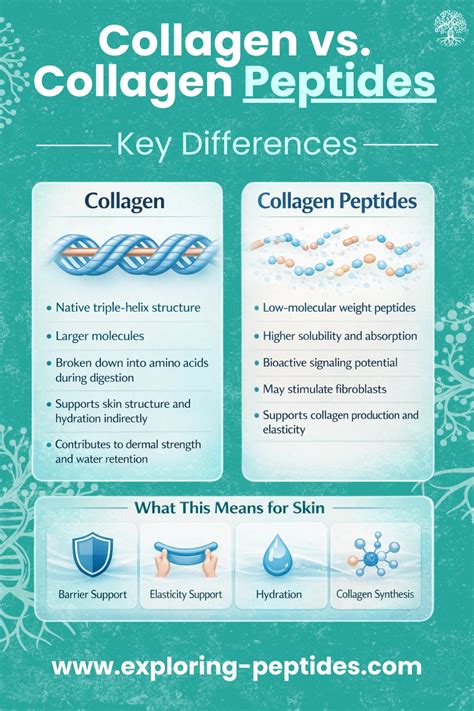
Tripeptide-29 is a small peptide composed of three amino acids (Glycine-Proline-Hydroxyproline) naturally found within our collagen structure. The theory behind its use is that when collagen breaks down, it produces short peptide sequences. These peptides can signal to the skin that collagen has been lost and that new collagen should be produced. Therefore, applying collagen-fragment-identical peptides might trick the skin into believing that new collagen is needed.
The unique aspect of Tripeptide-29 is its synthesis method. Unlike traditional methods that involve chemically breaking down collagen, yielding random peptides, Tripeptide-29 is produced via modern peptide synthesis from non-animal and non-GMO sources, ensuring exceptional purity. It is available as a pure powder, allowing for higher concentrations in formulations compared to diluted peptide solutions.
However, it's important to note that the efficacy data for Tripeptide-29 often relies on laboratory tests. While lab tests may show significant increases in collagen synthesis (e.g., a 3% concentration increasing Type I collagen synthesis by 400% after 48 hours in vitro), the real-world effects on human skin require further investigation. For those who prefer scientifically proven ingredients, Tripeptide-29 might be considered experimental.
GHK-Cu (Copper Tripeptide-1)
GHK-Cu, also known as Copper Tripeptide-1, is a copper-peptide complex found naturally in bodily fluids like plasma, saliva, and urine. It possesses unique wound-healing properties by stimulating the breakdown of unhealthy collagen in scar tissue and promoting the production of healthy collagen. GHK-Cu also stimulates the production of essential skin-identical ingredients.
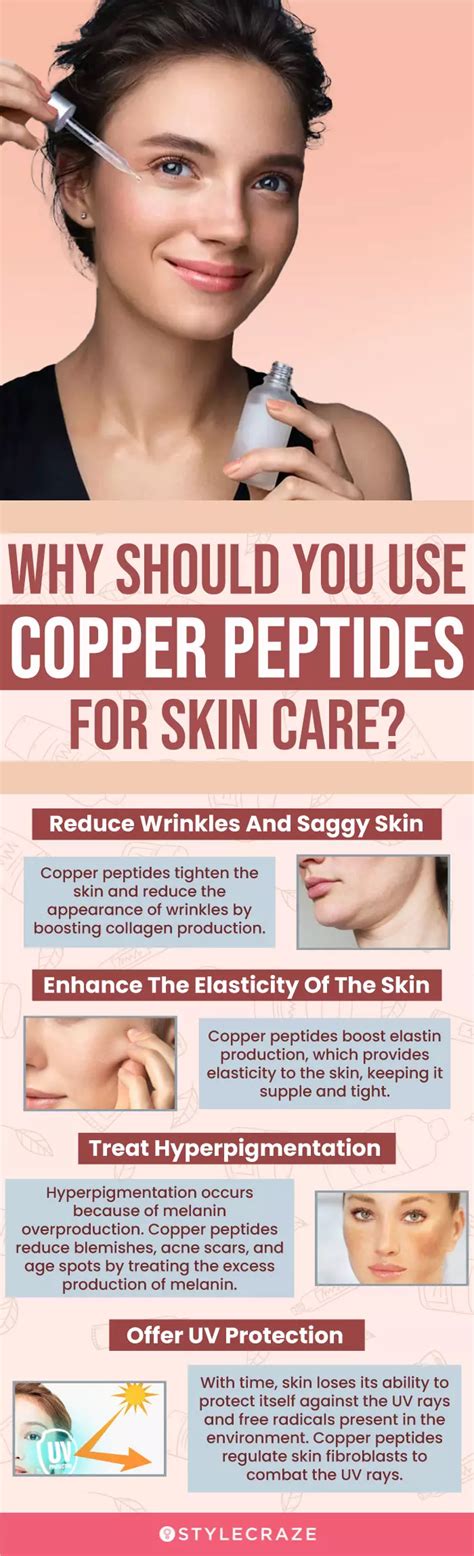
As a small peptide (Glycine-Histidine-Lysine or GHK), it functions as a Type I collagen fragment. Similar to Tripeptide-29, GHK-Cu is believed to signal the skin to increase collagen production, leading to fewer wrinkles and a more youthful appearance.
Tripeptide-1, a component of GHK-Cu, is also found in the well-known Matrixyl 3000, where it is combined with palmitic acid to enhance its oil solubility and skin penetration. Tripeptide-1 is notable not only as a signaling peptide but also as a carrier peptide, aiding in the stabilization and delivery of copper in the skin. It readily forms a complex with copper ions, becoming GHK-Cu.
When used without attached palmitic acid or copper, Tripeptide-1, under the trade name Kollaren, is reported by its manufacturer to stimulate not only collagen but also other vital skin proteins like fibronectin, elastin, and laminin.
Myristoyl Nonapeptide-3
Myristoyl Nonapeptide-3 is a newer peptide designed to mimic the effects of retinol, a skincare superstar, but without its potential negative side effects. Supporting this claim, a gene array screening test conducted by its manufacturer indicated that Myristoyl Nonapeptide-3 upregulates many of the same skin-related genes as retinoic acid (the active form of retinol). However, as with Tripeptide-29, there is a lack of in-vivo test results, making it a less "tried and true" option compared to retinol itself.
Tetrapeptide-50 (Palmitoyl Tripeptide-5)
Tetrapeptide-50, also known as Palmitoyl Tripeptide-5, is a four-amino acid peptide that claims to mimic the youth hormone thymopoietin. It is thought to work by compensating for the age-related decline in thymic factors, thereby stimulating the skin's immune defenses and aiding in skin regeneration.
Cross-linked Hyaluronic Acid (Sodium Hyaluronate Crosspolymer)
This ingredient is a specially modified form of hyaluronic acid (HA). The "cross-linked" structure creates a mesh with a remarkable water-binding capacity, significantly higher than that of regular HA. This water-filled gel forms a smooth film on the skin, delivering continuous hydration for long-term moisturizing benefits. The technology behind cross-linked HA was initially developed for dermal fillers due to its longevity, and this ingredient represents a topical version of FDA-approved dermal filler, Hylan B gel.
Propanediol
Propanediol is a natural alternative to propylene glycol. It's a multi-functional ingredient with a silky texture, acting as an emulsion stabilizer, solvent, and broad-spectrum antimicrobial. Manufacturers also indicate its moisturizing properties and ability to enhance the product's feel on the skin.
Ethoxydiglycol
Ethoxydiglycol is a helper ingredient that can enhance the performance and delivery of active ingredients within a formulation. It functions as a superior solubilizer and efficacy booster for cosmetic actives like Vitamin C, DHA, and benzoyl peroxide. It is also used in hair care for longer-lasting and more uniform coloring.
Caprylyl Glycol
Caprylyl Glycol is a handy ingredient that acts as an emulsifier or solubilizer, helping to incorporate oil-loving ingredients into water-based products. It also has emollient properties, providing a soft feel to the skin.
Leuconostoc/Radish Root Ferment Filtrate
This ingredient is a natural preservative derived from fermented radishes using Leuconostoc kimchii, a lactic acid bacteria used in making kimchi. It offers antimicrobial properties.
Phenoxyethanol & Ethylhexylglycerin
The combination of Caprylyl Glycol and Phenoxyethanol, often found together and sometimes referred to as Optiphen, serves as a preservative system to protect cosmetics from microbial contamination. Phenoxyethanol is a widely used, gentle preservative that is not a paraben. It has a good safety profile and works against bacteria, fungi, and yeast. Ethylhexylglycerin is often paired with phenoxyethanol and acts as a preservative booster and skin-conditioning agent.
The Genesis and Evolution of NIOD's Copper Amino Isolate Serum
The development of NIOD's Copper Amino Isolate Serum (CAIS) stemmed from the curiosity of DECIEM founder Brandon Truaxe, who was intrigued by the potential of expensive copper peptides. His exploration revealed a scarcity of copper peptide products on the market, and those that existed were often colorless, raising questions about the concentration, cost, and safety of copper peptides used in formulations.
Are Copper Peptides Worth the Hype? | Doctorly Reviews
The First Iteration
This journey led to the creation of the first Copper Amino Isolate Serum. The initial formulations involved mixing two separate bottles: one containing the Copper Amino Isolate Serum and the other serving as an activator. Once combined, the liquid revealed a striking bright blue color, attributed to the copper peptides.
The Third Generation: CAIS3 1:1
CAIS3 1:1 is the third iteration of this innovative formulation. The "1:1" in its name signifies the ratio of its key ingredients: GHK-Cu (copper peptides) and the GHK peptide. This unique peptide complex is designed to deliver potent anti-aging properties by reinforcing the skin's structural components and surface integrity.
CAIS3 has demonstrated significant improvements in skin tone evenness after 4 and 8 weeks of use, as well as notable enhancements in skin elasticity after 4 weeks.
Benefits of Copper Peptides in Skincare
Copper peptides are highly regarded in the skincare industry for their multifaceted benefits, primarily centered around skin regeneration and anti-aging.
Stimulating Collagen and Elastin Production
One of the primary functions of copper peptides is their ability to stimulate the production of collagen and elastin. These proteins are crucial for maintaining skin's firmness, elasticity, and overall youthful appearance. Increased collagen production helps to prevent sagging and reduce the appearance of wrinkles.
Antioxidant Function
Copper peptides possess antioxidant properties, meaning they can neutralize damaging free radicals in the skin. Free radicals contribute to premature aging, and by combating them, copper peptides help to protect the skin and prevent the formation of wrinkles.
Anti-inflammatory Responses
Inflammation is considered a major contributor to premature aging. Copper peptides exhibit anti-inflammatory responses, which can reduce skin irritation and redness, further supporting a youthful complexion.
Skin Healing and Repair
Copper peptides are particularly beneficial for skin healing. They are often recommended after non-invasive cosmetic procedures such as laser resurfacing, dermabrasion, chemical peels, and micro-needling. They can help wounds heal faster, remove damaged collagen and elastin from scar tissue, and promote the formation of healthy new tissue.
Enhanced Skin Resilience
These peptides make the skin more resistant to redness and irritations and possess anti-bacterial and anti-fungal properties, which can help prevent infections.
Hydration and Skin Barrier Support
Copper peptides stimulate the creation of glycosaminoglycans, such as hyaluronic acid, which are essential for retaining moisture within skin cells. They also produce enzymes vital for skin health, including antioxidant superoxide dismutase and lysyl oxidase.
NIOD Copper Amino Isolate Lipid (CAIL) 1%
NIOD's Copper Amino Isolate Lipid (CAIL) 1% offers an enhanced approach to skin health by combining the benefits of copper peptides with a focus on building and strengthening the skin's barrier function, elasticity, and integrity. This pro-collagen, pro-lipid, pro-fat formula aims to improve elasticity, volume, and resilience.
Key Actives in CAIL 1%
- Tripeptide-1 (Palmitoyl) Copper: A solubilized format of pure Palmitoyl-GHK-Cu at a 1% concentration, this peptide activates numerous skin health functions, including healing, immune function, collagen synthesis, fibroblast production, and anti-inflammatory responses.
- Zizanoic Vetiver: An upcycled ingredient derived from vetiver roots, it supports skin tonicity, volume, and firmness, contributing to an improved appearance of skin volume redefinition and a plumping effect.
- Patented Dihydrodiisoeugenol Complex: This complex addresses the age-related decline in subcutaneous fat by improving skin elasticity and firmness, particularly in the cheeks and jawline.
- Aphanizomenon Aquaflo: A blue-green algae rich in vitamins, amino acids, and minerals that replenishes the stratum corneum's protective barrier, smooths the skin surface, and improves elasticity while reducing wrinkles.
- Plant-derived Squalane: A potent emollient that maintains the skin's moisture barrier, hydrates, and imparts suppleness and flexibility.
CAIL 1% is recommended for evening use on the face, or face and neck, and can be layered with NIOD's MMHC (Hyaluronic Acid serum) and a moisturizer. It should not be used in the same routine as strong acids, antioxidants, pure Vitamin C, retinoids, or retinals. The formula's distinct blue color is a natural result of the high concentration of copper peptides.
Ingredients Overview
A comprehensive look at the ingredients commonly found in NIOD's copper peptide serums reveals a sophisticated blend aimed at addressing multiple signs of aging:
- Water (Aqua): Purified and deionized solvent.
- Glycerin: Humectant for hydration.
- Copper Tripeptide-1 (GHK-Cu): A potent copper peptide complex for wound healing and collagen stimulation.
- Tripeptide-1: A collagen fragment peptide that signals collagen production.
- Myristoyl Nonapeptide-3: A peptide that mimics retinol's effects.
- Tetrapeptide-50 (Palmitoyl Tripeptide-5): Mimics the youth hormone thymopoietin.
- Sodium Hyaluronate Crosspolymer: Cross-linked hyaluronic acid for enhanced hydration.
- Propanediol: Natural solvent and humectant.
- Ethoxydiglycol: Penetration enhancer and solubilizer.
- Caprylyl Glycol: Emollient and preservative booster.
- Leuconostoc/Radish Root Ferment Filtrate: Natural preservative.
- Phenoxyethanol: Preservative.
- Ethylhexylglycerin: Preservative booster and skin conditioner.