Nizoral shampoo, featuring the active ingredient ketoconazole, is widely recognized for its antifungal properties and is commonly used to treat dandruff and other scalp conditions. Increasingly, it's also being explored and reviewed for its potential role in addressing hair loss, particularly male pattern baldness.
How Nizoral Shampoo Works for Hair Loss
The primary active ingredient in Nizoral shampoo is ketoconazole. While its main function is to combat fungal infections, research suggests it may also play a role in hair growth and reducing hair loss through several mechanisms:
- Anti-inflammatory Properties: Nizoral has anti-inflammatory properties that can help soothe hair follicles, creating a healthier environment for hair growth.
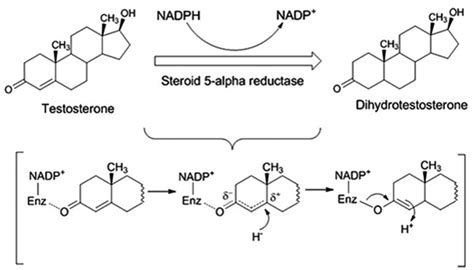
- Inhibition of 5-alpha reductase: Ketoconazole can inhibit the enzyme 5-alpha reductase. This enzyme is responsible for converting testosterone into dihydrotestosterone (DHT). DHT is a key hormone implicated in male and female pattern hair loss, as it can bind to hair follicles and cause them to miniaturize. By reducing DHT levels, Nizoral may help slow down or prevent hair loss.
- Antifungal Action: In cases where hair loss is caused or exacerbated by fungal infections on the scalp, such as tinea capitis (scalp ringworm), Nizoral's antifungal properties can treat the infection and, consequently, help reduce associated hair loss.
Nizoral Shampoo for Hair Loss: User Reviews and Experiences
Reviews for Nizoral shampoo concerning hair loss are generally mixed but lean towards positive for many users. While it's not considered a miracle cure, many individuals report beneficial effects, especially when compared to other over-the-counter (OTC) dandruff shampoos.
Positive Feedback Highlights:
- Scalp Health Improvement: Many users praise Nizoral for effectively treating dandruff, reducing itching, and eliminating flakes, which contributes to a healthier scalp environment conducive to hair growth. One top Amazon review noted, “I have to tell you after JUST THE FIRST TIME, my scalp stopped itching and I don’t have flakes falling off of me. For me, this product has worked magnificently!”
- Effectiveness When Other Treatments Failed: A recurring theme in reviews is that Nizoral has been successful for customers where other OTC dandruff shampoos have failed.
- Complementary Treatment: Many view Nizoral as a valuable "supporting player" in a comprehensive hair loss routine, often used in conjunction with other treatments like minoxidil or finasteride.
Mixed or Cautionary Feedback:
- Not a Standalone Solution: Some users find that Nizoral alone is insufficient for significant hair regrowth and works best as an add-on treatment.
- Potential for Dryness or Irritation: While generally safe, some users experience a dry or irritated scalp, especially with frequent or excessive use. Using a good conditioner and reducing the frequency of use can help mitigate these effects.
- Patience Required: Results from using Nizoral for hair loss are not immediate. Users are advised to be patient and consistent, with visible changes often taking 3-6 months or even longer.
- Initial Shedding: Some individuals report experiencing increased hair shedding when they first start using Nizoral. This is often a temporary phase.
How to Use Nizoral Shampoo for Hair Loss
Using Nizoral shampoo for hair loss involves a specific routine to maximize its benefits while minimizing potential side effects. It is important to distinguish between using it for dandruff and for hair loss treatment.
Choosing the Right Strength
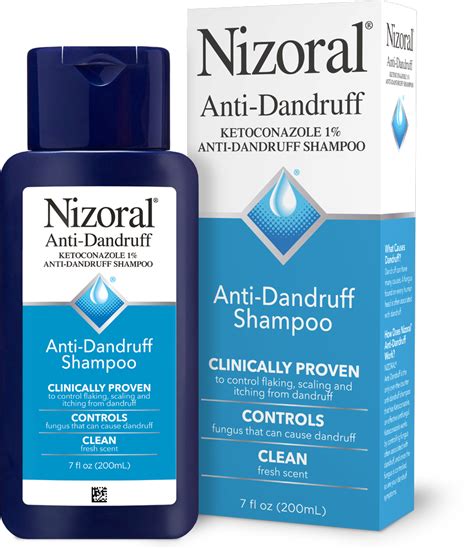
Nizoral is available in different strengths. For dandruff, a 1% ketoconazole formulation is common and available over-the-counter. For hair loss, a stronger 2% ketoconazole formulation is often cited in studies, but this typically requires a prescription. It's generally recommended to start with the 1% version and consult a healthcare professional for stronger options if needed, as the stronger version isn't always better and overuse can be counterproductive.
Application Instructions
The application process is crucial for efficacy:
- Wet Hair Thoroughly: Start with completely wet hair.
- Apply a Small Amount: Use about a quarter-sized amount of shampoo.
- Massage into Scalp: Gently massage the shampoo into your scalp, focusing on areas of thinning or hair loss.
- Lather and Wait: Work the shampoo into a lather and leave it on your scalp for 3-5 minutes. This allows the active ingredient to work. Think of it as a mini-treatment, not just a quick wash.
- Rinse Completely: Rinse thoroughly with cool water.
- Condition (Optional): Apply conditioner only to the ends of your hair to avoid weighing down the scalp. Mixing Nizoral with a good conditioner can help combat dryness.
- Frequency: Use Nizoral shampoo 2-3 times per week. On other days, use your regular shampoo.
Consistency and Patience
Consistency is key. It's recommended to stay consistent with the usage for at least 12 weeks before judging its effectiveness, and results may vary from person to person. Reducing frequency if the scalp becomes too dry or irritated is also advised.
Potential Side Effects of Nizoral Shampoo
While Nizoral shampoo is generally considered safe for most individuals, some side effects can occur, particularly with prolonged or excessive use. It's important to be aware of these potential issues:
- Scalp Irritation: Dryness, itching, burning, or irritation of the scalp are among the most common side effects. Flaking (ironically) or brittle hair can also be signs of overuse.
- Changes in Hair Texture: Some users report changes in hair color or texture.
- Hypersensitivity and Allergic Reactions: Less common side effects include hypersensitivity on the scalp, dry skin, rashes, or hives.
- Alopecia (Hair Loss): Although counterintuitive, alopecia is listed as a potential side effect. Reports of this are rare, suggesting Nizoral-related hair loss is uncommon. If you notice worsening hair loss, it's advised to stop using the product or consult a healthcare provider.
- Anaphylaxis: In extremely rare cases, severe allergic reactions like anaphylaxis have been reported, requiring urgent medical attention.
It's worth noting that one study found Nizoral had significantly fewer side effects compared to minoxidil, another popular hair loss treatment.
Does Nizoral Cause Hair Loss?
True hair loss caused directly by Nizoral shampoo is very rare. Alopecia is listed as a potential side effect, but research indicates that this is uncommon. If hair loss worsens after using Nizoral, it might be due to scalp stress leading to telogen effluvium, a temporary condition. In such cases, discontinuing use and consulting a professional is recommended. If Nizoral is being used for a fungal condition, advice from a trichologist should be sought before stopping.
Nizoral vs. Other Hair Loss Treatments
Nizoral shampoo is often discussed alongside other prominent hair loss treatments like minoxidil and finasteride.
- Nizoral vs. Minoxidil: Both can help with hair loss, but they work differently. Nizoral targets fungal infections and may inhibit DHT, while minoxidil increases blood flow to hair follicles to stimulate growth. Some studies suggest they are similarly effective, with minoxidil sometimes working faster.
- Nizoral vs. Finasteride: Finasteride is a potent DHT blocker (oral prescription), directly targeting the hormonal cause of male pattern baldness. Nizoral's effect on DHT is less direct and less potent.
- Combination Therapy: Many experts and users find that combining Nizoral with minoxidil or finasteride can yield better results than using any single treatment alone. If using both Nizoral and minoxidil, it's generally advised to apply Nizoral first, rinse, and then apply minoxidil to a clean, dry scalp. It's also advisable to avoid using multiple medicated shampoos simultaneously to prevent scalp irritation.
While Nizoral is widely recommended by dermatologists, it's crucial to understand its role. It's often considered a supportive treatment rather than a primary solution for significant hair loss.
Where to Get Nizoral Shampoo
Nizoral shampoo is readily available over-the-counter (OTC) in most pharmacies and many supermarkets. The 1% ketoconazole formulation is commonly found alongside other dandruff shampoos. For the stronger 2% formulation, a prescription from a healthcare provider is typically required.
Is Nizoral Right for You?
Nizoral shampoo can be a beneficial addition to a hair loss regimen, particularly for those experiencing dandruff or mild hair thinning. Its anti-inflammatory and potential DHT-inhibiting properties, combined with positive user reviews, make it a popular choice. However, it is not a guaranteed solution for everyone, and managing expectations is important. For more significant hair loss, especially male pattern baldness, it is best used as an adjunct to scientifically proven treatments like minoxidil or finasteride. Consulting with a dermatologist or healthcare provider can help determine the most effective treatment plan for individual needs.