Is Noxzema Classic Clean Moisturizing Cleansing Cream the cleansing cream that started it all? Cleansing Cream is a VERY BIG DEAL right now and Noxzema goes way back! While the exact origin of the first cleansing cream is unknown, Noxzema has a long history in the skincare industry. My mom used it when I was just a young girl, and I remember watching her slather and smooth the thick, white, minty-smelling cream concoction all over her face.
Currently, there's a significant trend towards cleansing creams and multi-step cleansing processes. Interestingly, in my younger years, I preferred cleansers that left my skin feeling squeaky clean. This was before the era of multi-step routines and a deeper understanding of skincare ingredients.
The Evolution of Noxzema Cleansers
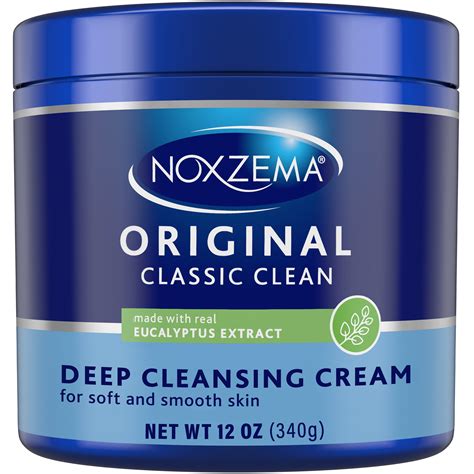
Noxzema Classic Clean Original Deep Cleansing Cream
The original formula, Noxzema Classic Clean Original Deep Cleansing Cream, provides the classic Noxzema "tingle" that many remember from their youth. This sensation is attributed to the presence of eucalyptus in the formula. This original cream effectively removes dirt and oil while conditioning the skin without over-drying.
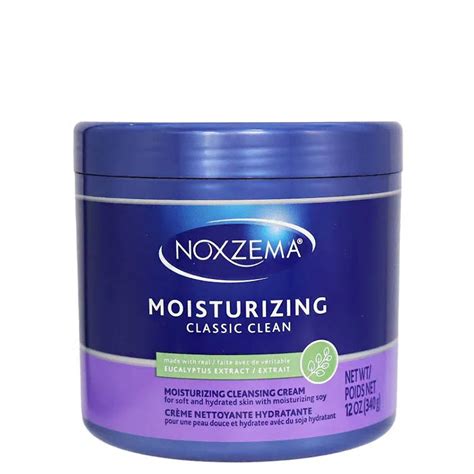
Noxzema Classic Clean Moisturizing Cleansing Cream
The updated Noxzema Classic Clean Moisturizing Cleansing Cream offers a less intense eucalyptus scent, making it suitable for the entire face, including the delicate eye area. While the hint of eucalyptus is still present, it is less pronounced than in the original formula. An inspection of the ingredient lists reveals that eucalyptus is positioned further down the list in the updated formula, indicating a lower concentration.
Key Ingredients and Their Benefits
The dermatologist-tested Noxzema Classic Clean Moisturizing Cleansing Cream contains a blend of beneficial ingredients:
- Glycerin: A humectant that attracts and retains moisture in the skin.
- Eucalyptus: Known for its refreshing and invigorating properties.
- Soybean Oil: An emollient plant oil rich in barrier-repairing linoleic acid and moisturizing oleic acid.
- Linseed Oil: A plant oil rich in omega-3 fatty acids (linolenic acid), known for its moisturizing and potentially anti-inflammatory properties.
The ingredient list for the Moisturizing Cleansing Cream includes: Water (Aqua), Stearic Acid, Linum Usitatissimum (Linseed) Seed Oil, Glycine Soja (Soybean) Oil, Glycerin, Propylene Glycol, Gelatin, Fragrance (Parfum), Phenoxyethanol, Ammonium Hydroxide, Methylparaben, Camphor, Menthol, DMDM Hydantoin, Propylparaben, Calcium Hydroxide, Eugenol, Eucalyptus Globulus Leaf Oil, Disodium EDTA, Hexyl Cinnamal, Linalool, Geraniol, Benzyl Benzoate, Limonene, Sodium Bicarbonate, Calcium Chloride, Magnesium Sulfate, Potassium Chloride.
Caution: Avoid direct contact with eyes.
Who Should Use Noxzema Cleansing Cream?
The Noxzema Classic Clean Moisturizing Cleansing Cream can be suitable for various skin types, including oily and acne-prone skin. During a three-week trial, the reviewer with oily, acne-prone skin experienced no adverse reactions or breakouts. This cleanser effectively removes dirt, oil, and makeup without over-drying the skin.
For individuals with oily or acne-prone skin, this formulation has proven to be effective. Even during the winter months, when a transition to richer skincare products is common, this cleansing cream performs comparably to pricier cleansing balms and creams. The key is to identify the essential benefits needed from a first-step cleanser, especially for those who practice double cleansing.
Noxzema's History and Brand Information
Noxzema is an American brand of skin cleanser marketed by Elida Beauty. Since 1914, it was initially sold in a small cobalt blue jar, but is now available in a blue plastic jar. The brand's signature ingredients include camphor, menthol, phenol, and eucalyptus.
Historically, Noxzema has been used for soothing chapped, sunburned, or irritated skin, and for helping to manage acne and blemishes by drawing dirt out of pores. The original formula was invented by Dr. Francis J. Townsend around 1900 and was initially called "Townsend R22," commonly referred to as "no-eczema." Dr. Townsend later passed the formula to druggist George Avery Bunting, who began producing and selling "Dr. Bunting's Sunburn Remedy" around 1917 as an alternative to greasy, tallow-based creams.
In 1926, the Noxzema Chemical Company established a factory in Baltimore, Maryland. By the 1940s, the product was sold nationwide. Procter & Gamble acquired the brand in 1989 as part of the acquisition of Noxell. Over the years, Noxzema has been owned by various companies, including Alberto-Culver and Unilever.
The brand is recognized for its iconic blue packaging and its distinctive tingle, largely due to its menthol and eucalyptus content. The brand has also been featured in memorable advertising campaigns, including commercials from the 1960s and 1970s.
Noxzema and Specific Skin Conditions
It is important to note that Noxzema is a brand for facial skin care and is not specifically designed to treat serious skin conditions like eczema or psoriasis. While it can be effective for daily cleansing and makeup removal, advocacy organizations for eczema and psoriasis typically recommend specialized products.
Noxzema and Eczema
Eczema is a condition characterized by dry, itchy, and inflamed skin. While gentle skin products and moisturizers are often recommended for eczema management, Noxzema products are not officially endorsed for this purpose. Individuals with eczema who choose to use Noxzema should monitor their skin closely for any worsening of symptoms and discontinue use if irritation occurs. The National Eczema Association endorses brands such as Neutrogena, Cetaphil, and Aveeno, and advises checking products for potential allergens and performing a skin patch test.
Noxzema and Psoriasis
Psoriasis is a chronic autoimmune condition affecting the skin. While over-the-counter products may be part of a management plan, Noxzema is not specifically recognized for psoriasis treatment. The National Psoriasis Foundation offers a Seal of Recognition for products that may help manage psoriasis, including those from brands like CeraVe, Aveeno, and Eucerin. It is crucial for individuals with psoriasis to consult with their doctor to determine appropriate treatment options and avoid irritating their skin, especially during flare-ups.
Potential Ingredient Concerns
Noxzema products contain various ingredients, including water, stearic acid, linseed oil, soybean oil, fragrance, gelatin, camphor, and menthol. While linseed and soybean oils are generally considered safe for sensitive skin, ingredients such as stearic acid and fragrance may cause irritation for some individuals. Menthol and eucalyptus can also contribute to skin sensitivity due to their tingly effect.
Fragrance is a common ingredient in many cosmetic products but is known to be a potential irritant and allergen for sensitive skin. It is the number one cause of contact allergy to cosmetics. When reviewing the ingredient list, the presence of added fragrance in Noxzema's Original Deep Cleansing Cream has led to its classification as moderately hazardous in terms of overall skin safety by some databases, like EWG's Skin Deep Cosmetics Database.
It is advisable to research the ingredients of any Noxzema product before use to minimize the risk of potential side effects. If you have concerns about a specific skincare product or a serious skin condition, consulting with a doctor or dermatologist is recommended.
Current Noxzema Product Line
Noxzema offers a range of facial skincare products designed for different needs:
- Original Cleansing Cream: Available in both a canister and a pump format.
- Moisturizing Cleansing Cream: A gentler option with less eucalyptus.
- Daily Deep Pore Cleanser: Targets dirt and makeup trapped in pores.
- Anti-Blemish Pads: Formulated to address pimples and prevent future breakouts.
- Anti-Blemish Scrub: Also targets pimples and aids in preventing breakouts.
When selecting a Noxzema product, it is beneficial to research the ingredients, read product reviews, and consult with a healthcare professional, especially if you have pre-existing skin conditions. Performing a skin patch test before applying any new product to your face is also a recommended practice.