The quest for long-lasting makeup often leads to the exploration of setting sprays, products designed to keep your makeup in place throughout the day. Among the popular choices is the NYX Professional Setting Spray. This review delves into its ingredients, offering insights into their functions and potential benefits for the skin.
Understanding the Core Ingredients
At the heart of many cosmetic formulations, including setting sprays, are fundamental ingredients that serve various purposes, from acting as solvents to preserving the product's integrity.
Water (H2O): The Essential Solvent
Good old water, also known as H2O, is the most common skincare ingredient. The water used in cosmetics is typically purified and deionized, meaning that almost all mineral ions have been removed. It serves as the primary solvent in many cosmetic products, providing a base for other ingredients.
Alcohol (Ethanol): A Controversial Ally
Alcohol, specifically ethanol, is a frequently debated ingredient in cosmetics. It offers several immediate advantages: it acts as an excellent solvent, enhances ingredient penetration, contributes to cosmetically elegant and light formulas, and possesses astringent and antimicrobial properties. However, a significant drawback is its potential to be very drying, especially when listed high on an ingredient list. Some experts suggest that regular exposure to alcohol can compromise the skin barrier and trigger inflammation, though this remains a subject of discussion.

Key Functional Ingredients and Their Roles
Beyond the basic components, setting sprays often contain specialized ingredients that contribute to their performance, stability, and skin benefits.
Propylene Glycol: The Stability Enhancer
Propylene Glycol is a widely used ingredient that helps maintain product stability over time. It functions by neutralizing metal ions, often introduced through water, which could otherwise lead to undesirable changes in the formula. It is also described as a common glycol that enhances the freeze-thaw stability of products.
Sodium Salicylate: A Multifaceted Compound
Sodium Salicylate is the sodium salt of salicylic acid. According to CosIng, the official EU cosmetic ingredient database, it acts as a preservative and a denaturant (making the product taste unpleasant). Some manufacturers also claim it possesses exfoliating and antimicrobial properties. It is important to note that the salt form of an exfoliant is neutralized; for significant exfoliating effects, the pure acid is generally preferred.
Plantain Leaf Extract: Nature's Soothing Agent
Derived from the leaves of English or narrowleaf plantain, a plant native to Europe and Asia, Plantain Leaf Extract has a history of traditional medicinal uses. In skincare, it is recognized for its ability to promote wound healing and speed up the recovery of minor skin issues. Modern research supports these traditional uses, identifying active compounds in the leaves that lend the extract anti-inflammatory, antibacterial, and antioxidant properties. Studies, including an in-vitro investigation published in Phytotherapy Research, have indicated that Plantain Leaf Extract, in high concentrations, can provide a soothing effect comparable to hydrocortisone.

Phenoxyethanol: The Modern Preservative
Phenoxyethanol is often referred to as the current "IT-preservative." It is considered safe and gentle, notably avoiding the controversy surrounding parabens. Introduced around the 1950s, it is approved for use globally up to 1% in cosmetic products. While it occurs naturally in green tea, the version used in cosmetics is synthetically produced. Beyond its safety profile, Phenoxyethanol offers advantages such as good gentleness on the skin.
Niacinamide: The Multitasking Vitamin B3
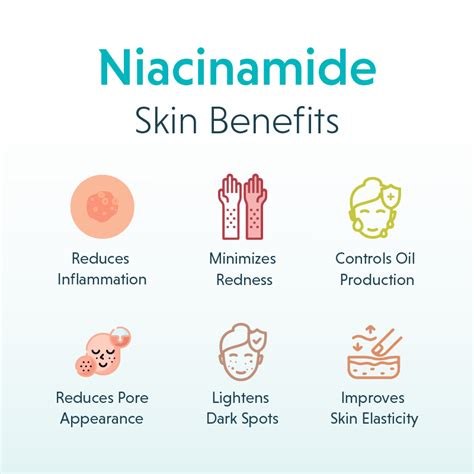
Niacinamide, also known as nicotinamide, is a form of vitamin B3 that is highly valued for its multiple benefits. This water-soluble vitamin, which the body does not store, can be obtained from food or skincare products. The synthetic version used in cosmetics offers clinically proven anti-aging, skin lightening, anti-inflammatory, and barrier repair properties. It is particularly effective at strengthening the skin barrier, reducing the appearance of pores and dark spots, regulating oil production, and improving signs of aging. Niacinamide is generally well-tolerated, even by sensitive and reactive skin types, and does not typically cause the "niacin flush" associated with some forms of vitamin B3. However, in rare cases, individuals may experience intolerance or allergic reactions, leading to flaking, irritation, or dryness. When incorporating niacinamide into a routine, especially for sensitive skin, starting with lower concentrations is advisable, as higher percentages (e.g., 5%) are often needed for benefits like fading dark spots. When applied to the skin, niacinamide is converted into nicotinamide adenine dinucleotide (NAD), a vital coenzyme within cells that fuels numerous biological processes. NAD aids in repairing cell damage, generating new healthy cells, supporting collagen production, fortifying the skin barrier, and defending against environmental stressors like UV radiation and pollution. Natural NAD levels decline with age, leading to slower skin repair and a weakened barrier. Supplementing with niacinamide helps to replenish these levels, resulting in stronger, healthier, and more youthful-looking skin.
Personal Experience and Application
The decision to incorporate a setting spray into a makeup routine can be driven by various factors, such as the need for makeup longevity, especially in demanding situations like wearing masks or during long school days. The desire for a quick, simple, and minimal morning routine also plays a role.
One user shared their experience, transitioning to a new morning makeup routine due to mask-wearing and an early wake-up time. They sought products that would prevent makeup transfer onto masks and offer efficiency. After enjoying Versed's firming serum, they explored the brand's depuffing eye gel and found it to be a favorable addition. Their simplified routine now includes a morning wash, eye gel, moisturizer, followed by the NYX Cosmetics Bare With Me Primer and Set Spray. This spray is described as easily blending with a beauty blender and providing medium-to-full coverage when used with the corresponding foundation. The routine is then completed with minimal brow and mascara application.
testing out NYX the face glue primer and setting spray
A practical tip shared is to use the ring finger to gently dab eye cream from the outside to the inside of the eye area, a technique suggested to help prevent wrinkles.
tags: #nyx #professional #setting #spray