In the realm of sun protection, various formulations exist, each with its unique properties and applications. Among these are oil-based sunscreens, a category that has gained attention for its distinct characteristics. Understanding their benefits and drawbacks is crucial for making informed choices about skincare and sun safety.
Understanding How Sunscreens Work
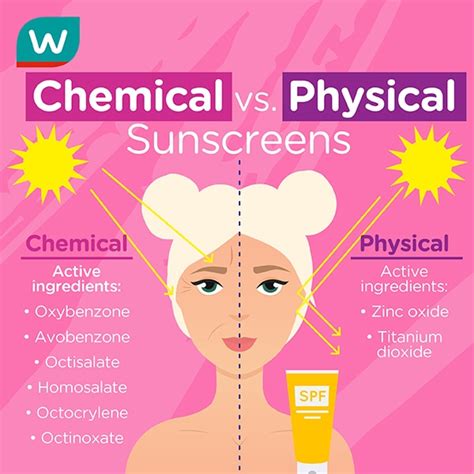
Sunscreens function by either deflecting or blocking the sun's harmful ultraviolet (UV) rays. There are two primary types of sunscreen: physical (mineral) and chemical. Each type employs different mechanisms to protect the skin.
Physical (Mineral) Sunscreens
Physical sunscreens work by creating a barrier on the skin's surface that deflects or blocks UV rays. They contain active ingredients such as zinc oxide and titanium dioxide, which are typically in mineral form. These ingredients physically reflect UV radiation away from the skin.
Chemical Sunscreens
Chemical sunscreens operate differently by absorbing UV rays before they can penetrate the skin. They contain molecules like avobenzone, oxybenzone, octocrylene, and octyl methoxycinnamate. These ingredients absorb UV radiation and convert it into heat, which is then released from the skin. Some chemical sunscreens also contain molecules like oxybenzone, octinoxate, and avobenzone, which filter out a significant percentage of UV rays, helping to prevent sunburn and skin cancer. However, it's noted that these chemicals can potentially penetrate the skin and have been detected in urine samples of users.
Oil-Based Sunscreens: A Closer Look
Oil-based sunscreens are a type of chemical-based sunscreen characterized by their oily base. This formulation often makes them easier to spread on the skin and can prevent the common issue of a white cast left by some other sunscreen types. They frequently incorporate hydrating ingredients and tend to have a lighter texture compared to many traditional lotions and creams.
Benefits of Sunscreen Oils
Sunscreen oils offer several advantages that may appeal to users:
- Skin Protection: Most sunscreen oils provide SPF protection against sun damage and often include additional antioxidant benefits to combat free radical damage, as stated by dermatologists.
- Ease of Application: The lightweight, oily formula glides smoothly onto the skin, requiring less effort to rub in. The texture melts into the skin, imparting a dewy finish.
- No White Cast: Unlike some mineral sunscreens that can leave a white residue, sunscreen oils offer a sheer and glowy finish. This makes them particularly beneficial for individuals with darker skin tones who may experience chalky streaks with other formulations.
- Skin Hydration: Many sunscreen oils are formulated with moisturizing ingredients such as aloe vera, argan oil, grapeseed oil, and coconut oil. These ingredients help to hydrate and soften the skin, which can be especially pleasant after spending time in water.
Downsides of Sunscreen Oils
Despite their benefits, oil-based sunscreens have certain drawbacks to consider:
- Potential for Breakouts: Oil-based formulations can potentially lead to breakouts, acne, and rashes, as the oil may clog pores and contribute to blemishes. This makes them a point of caution for individuals with oily or acne-prone skin.
- Interaction with Other Products: Sunscreen oils may not mix well with other skincare products. Applying water- or silicone-based moisturizers or serums before using sunscreen oil can hinder its absorption and, consequently, its effectiveness in protecting against the sun.
- Skin Appearance: For those with oily skin, sunscreen oil can enhance shininess and increase the likelihood of clogged pores.

Distinguishing Sunscreen Oil from Tanning Oil
It is important to differentiate sunscreen oils from tanning oils. Tanning oils are formulated to enhance the skin's tanning process by increasing the sun's ability to darken the skin. While some tanning oils may contain SPF, they generally offer minimal to no sun protection. In contrast, sunscreen oils are specifically designed to protect the skin from harmful UV light.
Effectiveness and Usage Recommendations
According to the FDA, sunscreen oils are considered GRAS (Generally Recognized As Safe and Effective) for use on the skin. Dermatologists generally recommend using an SPF of 30 or higher and reapplying it regularly.
Application Frequency
Sunscreen oils, being chemical-based, should be applied 15 to 20 minutes prior to sun exposure to allow adequate absorption into the skin for effective protection. Reapplication is advised every two hours, and more frequently if swimming or sweating.
Who Should Use Sunscreen Oil?
Sunscreen oils are particularly beneficial for individuals with dry skin due to their nourishing and hydrating properties. However, those with oily or acne-prone skin should use them with caution, as they can potentially exacerbate oiliness and pore clogging.
ULTRAVIOLET RAYS | How Harmful Are UV Rays? | Ultraviolet Radiation | Dr Binocs Show | Peekaboo Kidz
General Sunscreen Facts and Considerations
Regardless of the type of sunscreen chosen, several general facts about sun protection are important to keep in mind:
- Broad-Spectrum Protection: Look for sunscreens labeled "broad-spectrum," which indicates protection against both UVA and UVB rays.
- SPF Levels: An SPF of at least 30 is recommended, as it blocks approximately 97% of UVB rays. Higher SPFs offer only a marginal increase in protection.
- Expiration Dates: Sunscreens have a shelf life, typically three years. Expired sunscreens should be discarded.
- Reflection of UV Rays: Water, sand, and snow can reflect the sun's rays, increasing UV exposure even indirectly.
- Cloudy Days: Up to 90% of the sun's rays can penetrate clouds, so sun protection is necessary even on overcast days.
- Tanning and Skin Damage: A tan is a sign of skin damage. There is no such thing as a safe tan, as it increases the risk of premature aging and skin cancer.
- Clothing Protection: Tightly woven, darker fabrics offer better UV protection than lightweight, light-colored clothing. Look for apparel with an Ultraviolet Protection Factor (UPF) of 30 or higher.
- Makeup with SPF: While makeup with SPF can offer some protection, it is generally less effective than traditional sunscreen and often not applied to all sun-exposed areas.
- Vitamin D: While sunscreen blocks most UV rays, some minimal exposure is needed for Vitamin D production.
- Environmental Impact: Mineral sunscreens (zinc oxide, titanium dioxide) are often considered safer for the environment than some chemical sunscreen ingredients like oxybenzone, which may disrupt hormones and cause allergic reactions.