Blackheads, a common form of acne vulgaris, appear as open bumps on the skin filled with excess oil and dead skin cells. The dark appearance is not due to dirt, but rather an irregular reflection of light off the clogged follicle. Unlike pimples, which are inflamed and contain pus, blackheads are non-inflammatory.
While blackheads often affect teenagers and young adults experiencing hormonal changes, they can persist into adulthood, with some individuals developing them for the first time as adults. It is estimated that nearly everyone experiences blackheads at some point in their lives, with prevalence rates of 10% to 20% among adults.
Blackheads most commonly appear on the face, particularly the nose, chin, and cheeks. However, they can also develop on the neck, back, chest, and less commonly, on the buttocks, thighs, ears, and armpits, due to the widespread distribution of sebaceous (oil) glands. While blackheads do not pose a significant threat to physical health, their appearance can impact psychosocial well-being and self-perception.
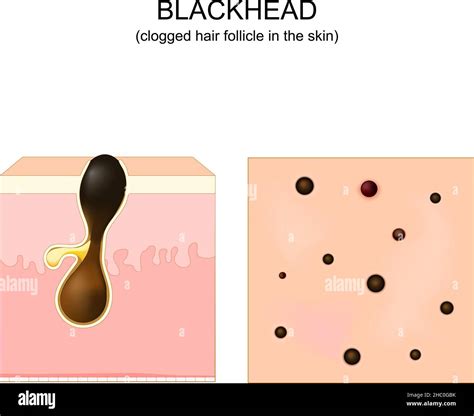
Understanding and Treating Blackheads
Dealing with blackheads can be frustrating, but consistency and patience are key to improving skin condition. Dr. Wei emphasizes that it takes time for skin to recover, and a regular routine is crucial.
Key Ingredients and Treatments for Blackheads
Several over-the-counter (OTC) ingredients and treatments are highly effective in managing blackheads:
Salicylic Acid
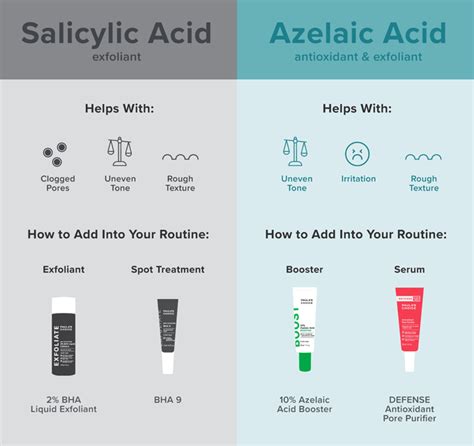
Salicylic acid is a highly recommended treatment for blackheads. It is available in washes, medicated pads, and toners. Products containing 2% to 4% salicylic acid are a good starting point, with adjustments made based on skin's reaction. If the product causes dryness, a lower concentration can be used.
Alpha and Beta Hydroxy Acids (AHAs and BHAs)
These compounds are beneficial for skincare. Popular examples include salicylic acid, lactic acid, and citric acid. Glycolic acid, an AHA, is particularly effective as an exfoliator, helping to remove dead skin cells and unclog pores. Cleansers with 10% glycolic acid are recommended.
Retinoids
Topical retinoids, such as adapalene (available OTC) and prescription-strength tretinoin, are effective in preventing the buildup of dead skin cells within pores. They also help prevent acne outbreaks and reduce the formation of acne scars. A treatment plan might involve alternating between a salicylic acid cleanser in the morning and a retinoid at night.
Azelaic Acid
This naturally derived acid is milder than AHAs and BHAs and is suitable for sensitive skin. It aids in clearing pores and reducing inflammation, though it is less potent for targeting blackheads compared to salicylic acid or retinoids.
Exfoliation and Other Treatments
Exfoliation Frequency
While exfoliation is vital for skincare, over-exfoliation can lead to dryness, prompting the skin to produce more oil and worsen blackheads. It is advised to exfoliate only a couple of times a week.
Chemical Peels
Dermatologists may recommend chemical peels, which use a chemical solution to remove damaged outer skin layers, improving skin texture and smoothness. Potential side effects include redness, stinging, and swelling in the first 48 hours.
Microdermabrasion
Also known as a "power peel," microdermabrasion involves exfoliating the skin's outer layer using fine crystals or a diamond-tipped wand, while simultaneously vacuuming away dead cells and debris. This minimally invasive procedure can result in mild side effects like temporary redness and tenderness.
Professional Extraction
For stubborn blackheads, manual extraction by a professional (dermatologist or esthetician) is recommended to avoid scarring. Professionals may use steam to open pores and sterile tools like a comedone extractor, or their fingers covered in cotton, to remove blackheads.
Laser Skin Resurfacing
This in-office procedure can help decrease oil production and boost skin turnover, thereby reducing blackheads and improving skin texture.
Deep Cleansing Techniques For Clear Pores — Blackhead Extraction Methods [DR SANDRA LEE]
Preventing Blackheads from Returning
To minimize the recurrence of blackheads, consider the following practices:
- Avoid picking at your skin: Transferring bacteria and oil from hands to the face can lead to increased inflammation and additional skin problems, including hyperpigmentation and permanent scarring.
- Choose appropriate makeup and skincare products: Opt for noncomedogenic products, specifically formulated not to clog pores.
- Wear sunscreen: Sun exposure can cause inflammation, which may increase oil production and blackheads. Using a facial moisturizer with an SPF of at least 30 is recommended.
- Use pore strips and face masks mindfully: While pore strips offer temporary gratification by adhering to and lifting congestion, they can cause irritation and dryness and do not address the underlying issue.
- Consider benzoyl peroxide for acne: Although it doesn't directly clear blackheads, benzoyl peroxide kills acne-causing bacteria, reducing breakouts that often accompany blackheads.
Key Takeaway
Blackheads, while common and sometimes embarrassing, can be effectively managed with the right skincare approach. Finding a solution that suits your individual skin type and concerns is crucial for achieving and maintaining clear skin.
Frequently Asked Questions
What is the best thing to remove blackheads?
The most effective methods for blackhead removal involve exfoliation, regulating oil production, and keeping pores clear. Salicylic acid is highly effective as it penetrates pores to break down oil and dead skin plugs. Glycolic acid offers gentle surface exfoliation, preventing dead skin buildup. Retinoids accelerate cell turnover, clearing existing blackheads and preventing new ones. For deeper purification, clay-based ingredients like kaolin and bentonite absorb oil, while charcoal draws out impurities. Gentle physical exfoliants can also help polish away dead skin.
Which tool is best to remove blackheads?
While blackhead remover tools might seem like a quick fix, they can cause harm if not used correctly, potentially leading to inflammation, scarring, and infections. Professional extraction by a dermatologist or esthetician using a comedone extractor is recommended for safe removal. Avoid using fingernails, pins, or unsterile tools at home, as these can damage the skin. A consistent skincare routine with ingredients like salicylic acid, glycolic acid, and retinoids is the safest and most effective approach.
How do you remove a blackhead that won't come out?
If a blackhead is stubborn, do not force it, as squeezing can cause inflammation, scarring, or push debris deeper into the pore. Instead, focus on a consistent skincare routine using a salicylic acid cleanser and a retinoid cream to soften the plug and dissolve oil buildup. Glycolic or lactic acid can help with surface exfoliation, and clay masks can absorb excess oil. For persistent blackheads, consult a dermatologist or esthetician for professional extraction or exfoliating treatments.
Expert Insights and Testing Methodology
The selection of the best blackhead removers is based on extensive testing and expert advice. The Good Housekeeping Institute Beauty Lab scientists evaluate products based on ingredients, efficacy, packaging, fragrance, texture, and wear. Dermatologists and beauty experts provide recommendations, ensuring that the chosen products are effective and safe. This process aims to serve consumers by rigorously vetting skincare and acne treatments.
What to Look for When Shopping for Blackhead Removers
- Type: Options include extractors, skin spatulas, pore strips, and various skincare products like cleansers, masks, and creams.
- Ingredients: Look for keratolytic agents and exfoliants such as salicylic acid, glycolic acid, benzoyl peroxide, retinoids (adapalene), azelaic acid, alpha hydroxy acids, or sulfur. These ingredients help loosen dead skin cells and prevent pore clogging. Avoid products that promise quick fixes without addressing the root cause.
Whatâs the best way to remove blackheads?
The most effective long-term solution for blackhead removal involves the regular use of skincare products with keratolytic ingredients. A gentle cleanser followed by a product containing salicylic acid, glycolic acid, or retinol, or a combination thereof, is recommended. Mechanical extraction tools can be used as an adjunct, but skincare should be the priority.
What draws out a deep blackhead?
For stubborn blackheads, a comedone extractor used with gentle pressure can be effective, especially when combined with consistent use of a retinol to prevent future blockages. For very large or deep blackheads that do not respond to home treatment, professional extraction by a dermatologist in a sterile environment is advised.